Sports Organisations
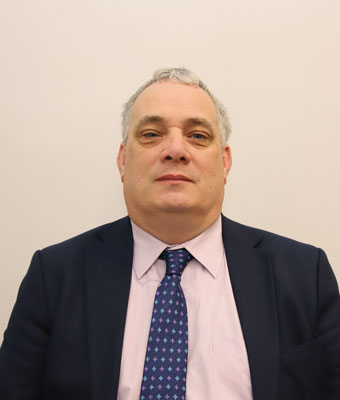
1. Deputy Aengus Ó Snodaigh asked the Minister for Culture, Communications and Sport the details of each engagement he or his Department has had with an organisation (details supplied) over the past six months; the topics that were discussed; if discussion at any such engagement encompassed the safeguarding of Irish players and compliance with legal obligations in the context of international competitions; and if he will make a statement on the matter. [64623/25]
This question is prompted by the situation the Ireland women's national basketball team found itself in because it was forced to play against an aggressor nation team, namely, Israel. The question relates to the details of the engagement the Department had with Basketball Ireland over the past six months while this topic was being discussed.
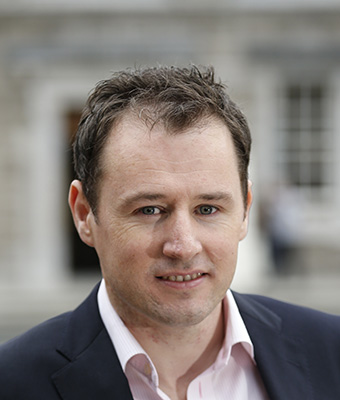
I thank the Deputy for his question. While I have not met with Basketball Ireland over the past six months, I did meet with it in April for an introductory meeting regarding its development and other plans. I understand the question relates to playing of matches against Israel. In this regard, the draw for the 2027 Women's Euro Basket qualification group which placed Ireland in a group with Bosnia and Herzegovina, Israel and Luxembourg took place in July. I spoke on the phone to the CEO of Basketball Ireland who updated me on that at that point. Of course, it is important to make clear, as I would have outlined at that stage as well, that the Government and Sport Ireland have no role in determining the participation by national governing bodies of sport in international competitions organised by international sporting federations. National governing bodies of sport, NGBs, and international sporting federations, the International Basketball Federation, FIBA, in the case of basketball, are independent, autonomous bodies responsible for the governance of their own sports, including the organisation of sporting fixtures.
Regarding the topic of athlete safeguarding, Sport Ireland works with NGBs to ensure that appropriate policies are put in place to take a proactive approach to safeguarding by identifying and mitigating risks to athlete welfare. It also works with NGBs to ensure mechanisms are in place to appropriately deal with matters that may arise.
On a wider note, I can say that Ireland welcomes the agreement on the first phase of the 20-point plan to end the war in Gaza. The first phase of the plan, the ceasefire and hostage release agreement, is an important step on a road to peace. Our immediate focus must be on ensuring humanitarian aid into and throughout Gaza at scale. Ireland stands ready to play its part in working towards a sustainable peace between Israel and Palestine through the implementation of the two-state solution.
I presume the Minister of State would have been aware, or at least Basketball Ireland would have made him aware, of the predicament it was in and what it was facing in terms of playing an international fixture and that it was being threatened with fines up to €180,000 if it did not go ahead with such a match. This is despite the fact the international governing body for the sport, FIBA, had taken a different stance with regard to Ukraine and Russia in 2022. In fact, Basketball Ireland was ahead of the game because it had indicated at that stage it would not play Russia ahead of the international body. However, in this instance, the international body was threatening Ireland with huge fines if it did not go ahead with a fixture that was scheduled against the team. Was the Minister of State aware of that and what action or support did he give to Basketball Ireland and the women being faced with this match?
As was outlined in my response, it is a matter for the national governing bodies and international sporting organisations to make their own decisions in this regard. From the point of view of the Government, it does not have a role in any individual sporting organisation's decisions. However, when it comes to the issue of Gaza, the Government has led out internationally and has taken a very strong and forthright line and approach regarding the war and the destruction that happened in Gaza. As well as seeking an outcome that will deliver peace, the Government was very much to the fore in leading out on recognising Palestine as a state, which many other states subsequently have done, and also in pursuing the occupied territories Bill, which a number of other states have now indicated they will follow. That is the approach the State has taken in relation to the war in Palestine. Regarding sporting organisations and their decisions to participate or otherwise in international competitions, that is entirely a matter for them.
We can have a discussion about Israel and genocide but that is not the purpose of this. International fixtures against genocidal nations is not a matter for the national sporting bodies alone. If Ireland had taken a stronger stance, and if the sporting body had gone ahead with a fixture against the Government's position then, I think, the Minister of State would have a different approach here. However, the match went ahead and, regrettably, the Irish team lost but there is a further match in March of next year. There is still time for Ireland to take a stance and to indicate to Basketball Ireland that it has the support of the Government in supporting the women playing for Ireland who did not want to play this fixture because of threats and intimidation from the other team and, in particular, because of the sporting boycott, which is a worldwide phenomenon at the moment against Israel. I thank Irish Sport for Palestine for its laudable work in profiling this case.
As a Government, Ireland has taken a very strong line in leading out and opposing what was happening in Gaza. I have already outlined that. However, the matter of participating in international competitions or otherwise is a matter for sporting organisations. That has always been the case and that will remain the case. It is not appropriate for the Government to get involved in an independent organisation's decision in that regard. That is the approach the Government will continue to take. I know the match took place in Riga, Latvia. Basketball Ireland had engaged with the international body given the fact it felt it was not safe for the match to take place in Israel given the backdrop. The match took place and the Irish team acquitted itself very well in that competition. It went to extra time and the team lost. However, the decision to participate or otherwise is entirely a matter for the national governing body.
Online Safety
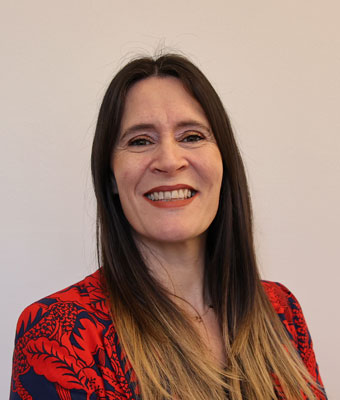
2. Deputy Sinéad Gibney asked the Minister for Culture, Communications and Sport the steps An Coimisiún na Meán is taking to promote and enforce safety on social media and combat online harms, with particular regard to vulnerable groups such as children and vulnerable adults; and if he will make a statement on the matter. [64384/25]
Last week during Questions on Policy or Legislation, the Tánaiste mentioned that the Minister was preparing proposals around online safety to bring before the House and expected to introduce them by the end of the year. I am keen to hear about the details of that, in particular the role for Coimisiún na Meán and how people will be protected and whether those protections will extend beyond those under 16 years of age.
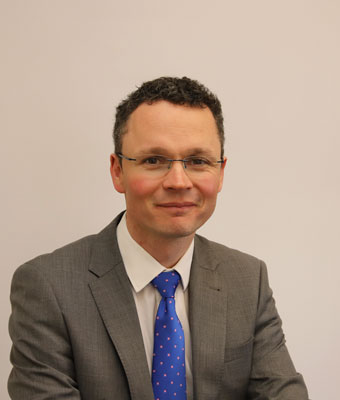
Online safety is a key Government priority. We have taken major steps forward in recent years and with Coimisiún na Meán the heart of our online safety framework, we have the tools to improve online safety, in particular for children and vulnerable adults. The online safety framework comprises the online safety code, the EU Digital Services Act, DSA, under which An Coimisiún na Meán is Ireland's digital services co-ordinator, and the EU Terrorist Content Online Regulation, for which An Coimisiún na Meán is a competent authority. The online safety code applies to designated video-sharing platforms established in Ireland, including TikTok, Facebook, Instagram and X, and Part B of the code contains specific obligations to put in place robust age assurance to prevent children from accessing adult content such as pornography or extreme violence. An Coimisiún na Meán is supervising compliance by designated services with the code. As digital services co-ordinator under the DSA, An Coimisiún na Meán works with the European Commission to ensure platforms put in place the systems and processes required to minimise the risk of exposure of children and young adults to illegal and harmful online content. The European Commission is investigating certain platforms with regard to their algorithms and the "rabbit hole" effect. Failure to adequately fulfil obligations under the DSA can lead to significant financial sanctions and continued non-compliance can lead to criminal sanctions for senior management under the OSMR.
Alongside this, I am working across Government to support robust age verification. In doing so, we must seek to ensure interoperability and respect users' rights, including data protection rights. To that end, my officials are working with the Government’s Chief Information Officer and his office to look at practical technical solutions to age verification as part of the Government's digital wallet being developed using MyGovID. In addition, European Union member states are examining the so-called “digital age of majority” and Ireland is doing likewise.
I believe that any decision would be better taken by the EU and EU member states together but there are differing views on whether there should be an age of digital majority at all and, if there is one, what age it should be, or whether it should be an outright ban or a ban subject to parental consent.
Finally, the upcoming digital fairness Act seeks to tackle dark patterns and unethical techniques or commercial patterns on social media platforms. I will continue to work across government and with stakeholders to improve online safety.
I thank the Minister. I have concerns. For a start, the focus being entirely on children and vulnerable people risks leaving behind the rest of the population. I am hearing more and more about age verification being a silver bullet to resolve everything. I have huge concerns about age verification, even if it is robust. It raises major privacy issues in that it would hand over official documentation to providers that have already proven that they do not respect our privacy. It has a cut-off point, which means that those who are not using age verification remain on a much darker Internet without those protections. We need algorithms turned off by default.
The Minister referenced EU law and said that is the best place to deal with this, but even this week we have seen rollbacks on the GDPR and potential rollbacks on the AI Act. I am not comforted that the EU level of action around this is adequate. We have a specific role to play, given that so many tech companies are headquartered here.
We have had extensive engagement in the Department on this, in particular in the context of Ireland's Presidency of the EU Council in the second half of next year. I am very conscious of the complexities of the issue and the fact that Deputy Gibney has raised an issue regarding age verification. How do we verify someone's age without having a data set that we know is verifiable? If someone says they are not prepared to hand over a data set, how can a person's age be verified? This is a very serious issue. In order to protect a child, we must have robust and strong data that shows he or she is over 18. If the Deputy is now saying that a person's rights with regard to their privacy trumps a child's age online, that is the start of a very big problem in the House.
I am not saying that age verification cannot be used. Rather, I am telling the Minister that if it is used, it raises privacy concerns. My point is that it is not fixing the actual problem at the root because all of that nasty material remains online. We need to have recommender systems turned off by default because they are the issue. They are the things keeping our eyeballs on screens and making sure polarisation is driving clickbait and profit lines. There are fundamental ways in which these tech platforms need to be challenged that I do not see demonstrated by the Government.
We had an exchange in committee a number of months ago where the Minister mentioned that he had raised age verification with tech companies. When I asked him about this, we discussed raising the issue of platforms as publishers, for example, as a way to start examining much more stringent and clearer ways in which we can build guidelines and safety standards into the online world that mirror what we expect in the real world. That is what we are looking for in order to address these problems at the root.
I am glad to inform the House that I inhabit the real world and most of the parents, teachers and people in the real world I speak to are concerned about children online and age verification. While Deputy Gibney might not think it is as important an issue as I do, as I said at committee it is important. Deputy Ó Snodaigh will recall that the last time we had to use the Government's data set for a particular piece of legislation, it floundered because some interest groups outside of the House were more interested in privacy than other issues and they got their way. The question of which is more important, privacy or the protection of children online, will be a difficult and salient one for the House. That is a question we will have to answer as a House soon because I will have to bring forward proposals, along with my colleagues the Ministers for public expenditure and reform and Social Protection. I hope all parties support that.
National Cultural Institutions
3. Deputy Aengus Ó Snodaigh asked the Minister for Culture, Communications and Sport the reason the projected costs of the refurbishment of the Crawford Art Gallery in Cork city are now calculated at over three times the original estimate of €28 million in 2020 to now being estimated at nearly €94 million, and with a completion date of late 2028 at the earliest; and if he will make a statement on the matter. [64624/25]
This question relates to the estimated costs for the welcome redevelopment of Crawford Art Gallery in Cork, one of the highlights for tourists visiting the city. The cost has increased substantially since the original forecast. Will the Minister outline the changes in design that have caused the increase?
I thank the Deputy for welcoming the fact that the work on the Crawford Art Gallery is going ahead. The national cultural institution investment programme is a key investment programme for the Department under the national development plan. All of the projects, including the redevelopment of the Crawford Art Gallery, are progressed in line with the infrastructure guidelines. The purpose of the infrastructure guidelines process is to develop and refine the project, including the cost estimates.
The redevelopment of the Crawford Art Gallery is a challenging and complex project that requires a combination of conservation and new-build elements on a restricted city centre site. The original estimate at preliminary business case stage was arrived at in 2020, prior to the planning and design phase, and the project has changed substantially since then. There has also been considerable construction inflation of just under 40% since 2020.
In 2024, the project went out to tender in the market. Following the outcome of the tender process to determine the main contractor, integrated design team and reserved specialists, the overall project budget estimate for the Crawford development is now €93.1 million, including VAT. To date, €6.5 million has been spent to bring the project through to this stage. This figure covers investigative surveys, design costs, the costs of decanting the art works and getting the art works into storage. The remaining capital costs are estimated at €86.6 million.
In line with the infrastructure guidelines, the final business case has been completed. As part of this process, there was a reappraisal of all options to deliver this key project. It found the proposed option remains the best to redevelop the gallery on a cost and quality basis. To proceed with the redevelopment now is the most direct, timely and cost-effective way to deliver a new and revitalised Crawford Art Gallery that will be a landmark artistic and cultural amenity in the centre of Cork city and bring to conclusion a project that has been planned for many years. The contractor is expected to be on site in early 2026 and the project will be completed in 2028. The gallery fit-out, commissioning and reoccupation will follow prior to opening.
Initially, the contractor was supposed to have been selected at the start of this year. What is the delay? Is the contractor signed, sealed and guaranteed to start work now that the gallery is closed? The Obelisk of Bronze by Michael Warren was removed recently, which signalled the closure of the gallery for three years. As the Minister said, in 2020 the estimated cost was €28 million. What is the point in having an estimated cost if no design work or proper planning is done? We have now arrived at a figure of €93 million. It is a good investment and I am not arguing that we should not spend the money, but the figure was €28 million in 2020 and there has been a big jump since. Has the project substantially changed from that which was projected to cost €28 million?
The Deputy is quite right; there have been delays. We are now in a position whereby the contractor will be in place in January and it is to be hoped the project will be completed in 2028. The Deputy omitted to say, perhaps in error, that in the intervening period since the preliminary business case was completed, inflation in the construction sector has been running at 40% or more. It is a complicated and challenging site. It is a city centre site and heritage building. It is not straightforward. As with all of these things, there are elements that come to light after the fact that would not necessarily have been to the fore until the detailed design was initiated.
There is a significant cost differential. My Department has guidelines we have to adhere to. Those guidelines were adhered to. No moneys were expended prior to the initial response I gave a while ago, when I made reference to the figure of €6.5 million. We are now in a position, thanks to a Government decision arrived at in the past fortnight, to proceed. The Crawford Art Gallery is the only national cultural institution wholly outside of the city of Dublin and represents a massive part of our national development plan allocation in its entirety.
Perhaps we will address the fact that it is the only cultural institution outside of Dublin in the future and can examine how to make sure there are other national institutions outside of Dublin rather than concentrate all of them in one city. Costs have increased substantially. The gallery renovation will add an extra 50% in terms of space for exhibitions and so on. A lot of work will be done to make the gallery accessible in the future. Even a 40% increase in construction inflation would only bring the cost to €40 million.
What exactly are the changes in the design or refurbishment that brought about such a substantial jump? It is a good investment and I have absolutely no problem with the figure. However, when a project is announced with a particular cost, the public starts to believe that is the amount it will cost until, all of a sudden, a new figure is announced. This makes us, as politicians, look a bit stupid.
Nobody wants to go out of his or her way to look stupid. The reality, as the Deputy knows as well as I do, is that when one goes under the bonnet of buildings like Leinster House, for example, one finds in the detailed design and in the final planning, as I saw in previous Departments I was in, that sometimes the depth of the problems associated with heritage buildings, in particular, is only discovered after the fact. I have made clear that I am not happy there is such a differential in the cost. The planning and design phase has led to the project changing considerably. I can get the Deputy the exact details on what has been added to the scope of works since the plan that was originally anticipated.
I welcome the Deputy's comment that we should see more NCIs outside Dublin. There is only one element of the National Museum of Ireland, for instance, outside Dublin, that being in County Mayo. There is an opportunity now under the NDP to see how we can incorporate something similar in other regions of the country.
Question No. 4 taken with Written Answers.
Sports Events
5. Deputy Aengus Ó Snodaigh asked the Minister for Culture, Communications and Sport the breakdown of the projected spend of €93 million by the State in hosting seven games of the Euro 2028 soccer tournament; and if additional funding will be given to local soccer clubs to increase participation in the sport and improve facilities in advance of the tournament. [64625/25]
I seek a breakdown of the projected State expenditure of €93 million on hosting the Euro 2028 soccer games. It is a welcome investment that will result, I hope, in greater investment in the sport. I am interested in what the breakdown is and how soccer clubs and communities around the country will benefit.
Euro 2028 is a really exciting opportunity for Ireland to co-host, along with England, Scotland and Wales, an internationally important soccer championship. We will host seven games in the competition, including a quarter-final. The Government will invest just over €92.9 million in supporting the event. It is anticipated the tournament will generate €449 million of socioeconomic benefits for the country.
The main elements of the expected expenditure include funding for stadium costs, safety and security, including Garda costs, transport, fan zones, Dublin City Council costs, sustainability investment and legacy programmes. The funding will be delivered through my Department, other Departments, Dublin City Council and relevant agencies. Furthermore, €6.2 million of our overall investment is ring-fenced for legacy initiatives and Ireland's national plan in this regard, which is being developed in consultation with the FAI. The legacy plan will focus on initiatives to increase participation and aims to ensure every child, regardless of background, gender or ability, can participate in football.
The expenditure of €93 million is made up of: €7.7 million for the Aviva Stadium upgrade and overlay; €2.1 million for central administration, transport and mobility; €5.7 million for fan zones; €10.6 million for other costs; €6.3 million for Dublin City Council costs; €37 million for safety and security; €6 million for the legacy programme; and €7.5 million for a general programme-level contingency. I can provide the Deputy with a breakdown of other, smaller items of expenditure.
As I said, this investment is welcome, and also welcome is the fact it will generate a return of €400 million-plus. I recognise that a huge amount of money must be spent on security, Dublin City Council, etc. Out of the full €93 million, the €6 million on the legacy plan seems paltry. I encourage the Government to invest more or a greater portion of the allocation in that. In the past, the FAI and the League of Ireland have set out a vision for facilities investment, with the aim of helping clubs at the very lowest level to improve their dressing rooms, especially, and extend dressing rooms to enable more girls to play. I recognise that the Government has taken some steps on this but I ask that further investment be made out of this pot of money.
I take this opportunity to congratulate the Irish soccer team on its wonderful performance last Sunday and on the Thursday before that. Football has given us some of our best national memories over the years. The recent matches, particularly the one on Sunday, provided, once again, wonderful national moments that brought the whole country together and brought great energy and excitement. I wish the team well in the draw taking place this afternoon for the play-offs that will be held in March. I congratulate, in particular, Troy Parrott, who gave a performance for the ages. Scoring five goals over two games is absolutely exceptional and a great credit to him. Credit also goes to the wider team for coming together, to Heimir Hallgrímsson for his leadership and to the FAI as well. We look forward to the excitement in the months ahead as we build up to the play-offs. I also congratulate our neighbours in Scotland. I did not think the end of Ireland's match on Sunday could be topped but, by God, it was some finish to the Scottish game. I congratulate the Scottish players on their qualification.
I take Deputy O Snodaigh's point. We have €6 million for the legacy plan and we want to make sure it has an impact and improves participation. That certainly is our objective.
I concur with everything the Minister of State said. Troy Parrott is an example to us all that if there is investment in sports, especially in areas that are disadvantaged, it can bring about huge changes in people's lives. That is why I am encouraging greater investment in the facilities programme of the FAI and the League of Ireland to ensure we get the best out of our youths and we do not end up with youths having to go abroad for academies and the like. I know from my own family of younger kids who had to go abroad to avail of the best standards in terms of academies.
I understand a delivery company was set up for some of this. I hope it will be able to deliver. When the Special Olympics were held here in 2003, there were hosts and host areas. I do not know whether that is being considered for Euro 2028 as all the matches are concentrated in Dublin. However, that does not mean all the investment must be concentrated in Dublin.
I will be looking to see how we can maximise the benefit across the country. Young Troy Parrott is a wonderful example of the quality of young players we have in this country. That is something the Government is backing. As the Deputy knows, we stepped up very significantly in the recent budget by allocating €3 million to the development of football academies for the year ahead. We want to build on that. We recognise the changed circumstances post Brexit and the importance of making sure young players have the opportunity to maximise their potential within the country. We see the benefit of having those young players in the League of Ireland. We are seeing a renaissance and a flourishing in the League of Ireland, with some of those wonderful young players starring in that. We want to ensure that as many young people as possible have every opportunity through the academy system. The Government is committed to doing that.
An extra €10 million or €20 million would not go astray.
We have made a massive start and it has been very much welcomed within the footballing community. We look forward to seeing it reap benefits in the time ahead.
Cancer Services
75. Deputy David Cullinane asked the Minister for Health the level of new funding to be made available for the national cancer strategy; if she will implement multi-annual funding frameworks in 2026; when a review of the strategy will commence; and if she will make a statement on the matter. [64612/25]
My first question is in relation to the national cancer strategy. The Minister might be aware the Irish Cancer Society has been raising concerns over the past number of weeks and months in relation to access to diagnostics, staffing shortages across cancer centres and cancer services but also insufficient and inconsistent funding for the national cancer strategy. The Minister might outline to the House, if she can, what additional funding has been made available for the national cancer strategy and for cancer services in budget 2026.
Funding of €27.4 billion, as the Deputy knows, has been allocated to the health service for 2026, an increase of 6.2%. Next year a new approach is being taken to funding allocation with health budgets being devolved to the HSE regions, giving them greater autonomy to meet local needs while holding them accountable for ambitious targets and national standards.
The National Cancer Control Programme will continue to lead on service design nationally and implementation of the national cancer strategy. The programme also monitors performance and works closely with the regions to ensure the delivery of safe effective cancer services, continuing to work towards the delivery of multi-annual budgets in health over the coming years. Capital investment already operates multi-annually and it is a priority for me to introduce this across all areas of the budget.
Since its launch in 2017, the Government has allocated €105 million to the national cancer strategy itself to support cancer services and improve outcomes for patients. That, of course, is not the totality of funding for people who have cancer but to the cancer strategy itself. Since then, very significant progress has been made in improving cancer services and there are now over 220,000 living with or beyond cancer, 50% more than a decade ago.
One in two people is expected to receive a cancer diagnosis in their lifetime.
We are seeing tremendous advances in cancer care and I am committed to ensuring that patients can take advantage of these developments.
Work will begin shortly on an evaluation of the cancer strategy, which will inform the development of a new strategy next year. The budgetary situation is that the letter of determination has been sent, which will indicate very clearly, as the Deputy outlined, that there is inequality of access to diagnostics and treatment within the different regions. It is a priority to try to achieve better equality. In the service plan, we will see the specifics of trying to acknowledge and achieve that in a better way.
The Irish Cancer Society was before the Oireachtas health committee a number of weeks ago. It raised very serious concerns in relation to major delays in diagnostics and treatment, particularly in the areas of colonoscopy, breast and prostate clinics, imaging, surgery and radiation therapy. It raised concerns about severe staffing shortages in radiology, cancer nursing and radiation therapy.
I put down a parliamentary question on the number of scanners and the diagnostic equipment that is lying idle, is not being fully utilised or has reached end of life. It is staggering to look at some of the details that have come back. For example, in Sligo hospital, a CT scanner is not fully utilised because one additional whole-time equivalent radiology post is needed, which was approved, and the hospital is still waiting for that appointment to be made. In University Hospital Limerick, one CT scanner is under-utilised; there is a staffing requirement for two whole-time equivalent radiologists needed to run it full time. In Ennis, one CT scanner and one ultrasound machine are under-utilised because four whole-time equivalent radiographers are needed, as well as a radiographer assistant, nurses and so on. At St. Luke's Radiation Oncology Network, and this was very helpfully raised by Deputy Boyd Barrett a number of weeks ago, linear accelerator, LINAC, equipment is out of date and needs to be replaced. There is a dire need for investment in equipment and diagnostics in our cancer services. I have not heard from the Minister what additional funding, either capital or current, has been made available, specifically for the national cancer strategy.
We are talking about services that go beyond the cancer strategy. The Deputy correctly identified regional gaps that need to be filled by the regions, particularly where they are not meeting their targets or the same standard as other parts of the country. For example, this week, I was in Bantry, where there are two endoscopy suites, which are really important for bowel cancer and gastric cancers generally, but are under-utilised, although there are two theatres. That is a form of investment in cancer and in preventing, diagnosing and ultimately treating cancer. The two suites are there but are under-utilised. One of them is running for half of one week and the other is not being utilised at all, yet there is a list in Cork. The facility is there and we have to reorganise the resources. It does not necessarily need new people. It needs consultants from CUH to come out. Some of them are already doing that; others need to come out.
The totality of investment in cancer is around treatment, drugs, diagnostics and, as the Deputy correctly identified, utilising the infrastructure we already have in a more complete way. I am trying to do that, hospital by hospital and region by region, to make sure that is maximised. In the letter of determination in the service plan, it will be for the region to recognise where it is coming up short and to make sure it is allocating its resources in an appropriate way.
I fully understand that cancer services go beyond the national cancer strategy. Of course that is the case. Across all of our acute hospitals, cancer services are provided that are outside the remit of the national cancer strategy. That strategy is also important in bringing together stakeholders. It is meant to bring consistency in services and it looks at where gaps are and so on. I had this discussion with the Minister at the Oireachtas health committee yesterday. I do not need to know exactly how the money is going be spent because that is a matter for the regions. I do not have a quarrel with that. I supported the health regions and I believe in regional health budgets, but it is important for us to know what additional money has gone into any of those strategies or not. It is not what the health regions will spend the money on; it is how much new money they have been given, in addition, to invest in these services. That is what the Irish Cancer Society is trying to find out. It is what other organisations advocating for cancer patients are trying to find out. I cannot tell them. I have told them I have asked the question so many times and I cannot seem to get any answer. I do not know what other way I can raise it other than in here directly with the Minister.
That is absolutely fair enough, except that this will happen under this service plan. On new money, we have additional money for new drugs, for example, in the drugs budget. We have an additional 3,300 people, which at a cost of €90,000 is all new money. They are all people who can be allocated not just to people with cancer, but people who have cancer with other things. This is the new money and the new investment. The distribution of that, which is what the Deputy is asking for, will be apparent in the service plan, which we expect in the coming weeks, having sent the letter of determination. It is a completely reasonable question. There is a process to work that out, particularly in this year 1 of a change. There will still be funding for the strategy itself, which of course is different. It is about research, programming and strategy. That is slightly different from the delivery of services, which we all understand, and that will be apparent.
We have to get away from, in particular in the regions, the idea that you can only do something if you have a new person. I gave the example of the endoscopy suites in Bantry for the very reason that there is no point asking for new things at CUH when these exist at Bantry for the convenience of patients, who can get an endoscopy there instead of having to travel to CUH. It is the consultants who must go to the patients to make sure that diagnostic equipment is delivered and used in accordance with Sláintecare.
Covid-19 Pandemic Supports
76. Deputy Marie Sherlock asked the Minister for Health the steps she is taking to protect the incomes of front-line healthcare workers who continue to suffer from long Covid and who are in receipt of the special scheme of paid leave, which is due to expire in the coming weeks; if she plans to protect these workers by extending this scheme or recognising long Covid as an occupational illness; and if she will make a statement on the matter. [64383/25]
My question relates to the special sick pay scheme for Covid sufferers in the health service. As the Minister knows, it is expiring at the end of this year. We spoke about this in June. The Labour Court ruled that it should be extended to the end of the year. What interventions is the Minister making to ensure those 120-plus workers have decent financial support into 2026 in recognition of the fact they acquired this illness in the workplace in the course of their work?
I thank the Deputy for raising this with me again. We should always acknowledge the extraordinary role, as the Deputy has done, of our healthcare workers and the role they played during the pandemic. They went far beyond the call of duty. Treating Covid in a front-line way at that time was an exceptional thing to do.
In recognition of that, especially from 2020, a temporary special scheme was introduced in July 2022 to support eligible staff who were affected by long Covid, in particular, in the public health sector. This was a scheme that no other sector had, which was important and appropriate. The scheme was designed to support those who had worked in high-risk environments, particularly before PPE and vaccinations were widely available and community transmission became more prevalent. At present, about 159 employees, as I understand it, remain on the scheme, the majority of whom have been supported with full pay for almost five years.
My Department has consistently worked to ensure these staff were looked after. At my Department's request, the Department of Public Expenditure, Infrastructure, Public Service Reform and Digitalisation agreed to extend the scheme several times since its introduction. Following a Labour Court hearing in June of this year, a final extension was recommended to run until 31 December 2025, when it will formally conclude. Importantly, that does not mean all supports will end. Staff who remain unfit to work will move seamlessly into the public service sick leave scheme, which I appreciate is different but will ensure some measure of continuity of care and financial protection. Under that scheme, staff receive full pay for three months, followed by half pay for three months, and then have the option to apply for temporary rehabilitative remuneration, which can provide up to a further 547 days of paid leave. In addition, the critical illness protocol may provide supports for up to three years.
I am aware that the Minister for Social Protection has reviewed the EU recommendation on recognising Covid-19 as an occupational illness. It has been determined that Covid-19 does not meet the criteria required for recognition under the social welfare Acts.
Every long Covid sufferer out there will acknowledge that this scheme has been extended. They are very grateful that it has been kept going until now, but the reality is 159 healthcare workers are out there, including nurses, healthcare support workers, social workers and those working in mental health institutions, who face the prospect of a dramatic drop in income because of a condition they acquired in the workplace. Ireland, alongside Greece, is the only EU member state not to recognise long Covid. What will the Minister do to champion the rights of healthcare workers? As she knows, the temporary rehabilitation remuneration, TRR, scheme will only give workers just over a third of their full pay, at 37.5%. Some of these workers hope to go back into the workforce eventually. Some may never, but they should get the recognition they deserve for the illness they acquired in the workplace.
I appreciate what the Deputy is saying. I will make a couple of points in response. The public health sector recognised the risk that staff faced and because of that introduced a scheme that no other sector had.
It was appropriate that it did, but it is important to state that so people have a full understanding of what was done. Eligible healthcare workers have had full pay for five years, which is important. The provisions now provide paid supports for a number of years beyond this current period. Recognition of Covid as an occupational illness falls within the Department of Social Protection. The Deputy has alluded to other EU countries. Many EU countries recognised Covid-19 as an occupational illness, but not necessarily long Covid. I am open to correction, but it is not clear to me that any country sustained full pay for workers suffering from long Covid in the way Ireland did with its public health workers through the special scheme. I am open to correction, but that is the information I have. It is important to set out how Ireland tried to treat its care workers in contrast to Europe and for the duration it has.
I do not think anybody is suggesting that full pay is sustainable into 2026 and beyond, but what should be sustainable for a small amount of money is a recognition that it is an occupational illness, with a new scheme put in place. The reality is that the science in 2021 suggested that people would be fully over long Covid at this stage. In June, I said I believed the Department was splitting hairs between Covid-19 and long Covid. The science and medical research are well established now in confirming what long Covid is. I know that are many long Covid sufferers and their families who are watching this debate are asking the Minister, with the rest of Government, to champion this such that it will be recognised as an occupational illness and a new scheme will be put in place in 2026.
I recognise the sufferers of long Covid and the change for 159 people who have been receiving full pay and are going onto a different scheme. While there are supports available on that scheme and its duration is also considerable, it is a change and I recognise that. My Department has championed the extension of that scheme, which enabled them to have full pay for as long as they did, on a number of occasions with the Department of public expenditure. As we thought that would end in June, there has been an additional six-month extension. That is in recognition of the work they did, the significance of long Covid and the impact it has on their lives. As the Deputy has stated, it is not feasible to sustain that in perpetuity and there has to be a transition to a different scheme. That is simply the way it is, and we are trying to put those supports in place for as long as possible.
Hospital Waiting Lists
77. Deputy David Cullinane asked the Minister for Health her plans to reduce waiting lists for diagnostic scans; and if she will make a statement on the matter. [64613/25]
This question relates to diagnostic waiting lists and the number of patients waiting for various forms of diagnostic equipment in hospitals across the State. The numbers are quite high, as I am sure the Minister will see. What are her views and plans for how she will reduce those wait times and the number of people who are waiting for a diagnostic scan?
Waiting times for radiology and diagnostic services have been an issue for some time and the Government committed to the implementation of the Sláintecare report of 2017, which included a maximum wait time target of ten days for a diagnostic test. A key step to achieving that is fully understanding the current position. Implementation of the NTPF’s national radiology diagnostic waiting list management protocol by all hospitals is the step to ensuring that patients are administratively managed in a safe, timely, fair and equitable manner while waiting, as well as facilitating approved data collection and reporting. Publication of the validated radiology diagnostic waiting list information will enable full analysis of the diagnostic waiting lists and provide a more complete understanding of how many patients are waiting, how long they are waiting and the specific services they are waiting for.
This year, the productivity and savings task force published an action plan for 2025 that commits to a range of services being available seven days per week, including diagnostics activity. It will also ensure that all publicly funded diagnostics are captured within the national integrated medical imaging system, NIMIS, by the end of 2025, thereby improving core co-ordination and reducing duplication of tests and procedures. I am informed that St. Vincent's hospital is going on that this weekend. That will have a bit of an impact, but it is important.
More important than anything else, as all of us here visit our local hospitals and different hospitals in the health system, is that question about the utilisation of diagnostics. It is that heat map of use. I have seen better clarity and analysis throughout this year. It was a source of considerable distress to me, for example, to be in one hospital and see that map going from red to blue at 4.30 p.m. on a Friday, when of course it should be driving hard on Friday evening into Saturday and so on. That is what we all want to see, although I do see more of that happening. I am seeing extended hours in diagnostics. I am seeing real efforts to make sure we are rostering five over seven. There is particular pressure in relation to radiologists and radiographers but we need to focus on the management of the assets and resources we have at the moment and make sure the culture is one where you should be able to get those scans as quickly as possible, and that is enabled in part by workforce planning.
The most recent figures are that almost 300,000 people are on a waiting list for a diagnostic scan. Over 77,000 of those have been waiting more than a year and over 46,000 have been waiting more than 18 months. That is far in excess of any Sláintecare targets. I gave examples earlier of CT scanners and other diagnostic equipment that is not being fully utilised, partly because we do not have the staff. I agree with the Minister that we need to do everything possible to fully utilise existing scanners and equipment. Anything that can be done in hospitals, and consultants doing more, is of course part of it but we also have to recruit the additional staff. The Minister knows there is a shortage of radiologists, radiographers, radiation therapists and other specialties. I also put to her that we need to look at rolling out diagnostic hubs similar to the surgical hubs that were rolled out. They are a really important part of a patient's healthcare journey. Obviously, you go to a GP and then get sent for a scan. However, if you have been waiting a year or two years, particularly if you are concerned, which of course people generally are if they are sent to get a scan, it adds to the stress and the totality of a person's healthcare journey. We can reduce that if we invest more in diagnostics.
I completely agree with the Deputy. Looking at the number of diagnostic scanners and machines in public systems, we have 550 scanners of different forms, including 62 CT scanners, 28 MRI scanners and so on, but it is about the use of them. One of the things we need to consider is how we might use the scanners available in a complementary local injury unit sitting alongside a hospital and how we can maximise the use of all of those diagnostics in different ways. That is another opportunity to expand capacity. I happened to be in County Mayo, and we were talking to staff about how that might be better integrated. In theory, the machines are capable of being used 24 hours per day. That is obviously unrealistic, but you would like to get to the point where they are being used for between12 and 14 hours per day at a minimum. That is entirely dependent on the staff and the way in which it is organised, and the Deputy correctly identified the shortage there. It is important to make sure, as we go hospital by hospital, that everyone is using the deployment of those staff in the most efficient way. I see examples of great improvement on that, and I hope to be able to report more thoroughly to the House after the series of regional meetings in January.
I took an active interest in the area of diagnostics after my mother passed. She went for a check in an emergency department and was told she would have to wait for possibly 12 to 18 months for a CT scan. We had the money to send her privately. She had that scan done in a matter of weeks, was diagnosed with cancer and, unfortunately, within a year had passed away. I know how important it is for people to get that timely access. I can only imagine how difficult it is for a person who is told they could be waiting months. They are worried about a potential growth and about symptoms. They have been sent by their GP. There is a human consequence to this. Even if we are looking at reducing the length of time people are in emergency departments, very often people waiting for the scan or X-ray to come back is what can hold up their journey through an emergency department. I believe there is merit in diagnostic hubs. I have discussed this with the Department and the HSE. I am a great believer in elective hospitals and surgical hubs. However, on this one, if we want to reach those Sláintecare targets, we have to look again. The Minister mentioned some of it, and it is welcome that she has a grasp of it, but we need to look at the whole area of diagnostics. Yes, we need more utilisation of what we have, but we also need other methods and investments to reduce wait times.
I agree with the Deputy. I am also conscious that we have increased the referral pathways for diagnostics, from physios for example. They are all good things, but they increase the number of referrals and, therefore, the waiting time. It is particularly important that the Deputy highlighted a case like that of his mother, who was referred for a scan and really needed it. There is the contrast with an emergency scan in a hospital that might step across her scan. So many people in Ireland are quietly waiting for a scan and are concerned by that.
The focus on urgent and emergency care can take from that in some ways, so we have to try to do both. I fully respect what the Deputy says about the expansion of diagnostics, the referral pathways, the ease with which people can get the scans more quickly, how we can utilise our existing efficiencies and then, as we build, including with the surgical hubs, how we can consider using those diagnostics in the broader way. We really need more radiologists and radiographers as well. We also need them to be rostered five over seven.
Addiction Treatment Services
78. Deputy Pádraig Rice asked the Minister for Health if work is being carried out in her Department to plan for a medically supervised injection centre in Cork; if any such work will be carried out in advance of the findings of the 18-month pilot phase of the supervised injection facility in Dublin city centre; if any potential sites in Cork have been identified; if consideration is only being given to mobile supervised injection facilities outside of Dublin; and if she will make a statement on the matter. [65000/25]
My question is about safe injection facilities. Last month I asked a parliamentary question about establishing a safe injection facility in Cork city. I was told it would not be considered until the 18-month pilot in Dublin was concluded. For the one in Dublin, it took nine years between Cabinet approval and setting it up. We cannot have the same level of delay in Cork city. We need a health-led approach to drugs and we need to start considering and planning a safe injection facility for Cork city. Failure to act here will cost lives.
I thank the Deputy for a very important question. As he knows, the independent evaluation of the national drugs strategy, Reducing Harm, Supporting Recovery, assisted with the expansion of harm reduction in a significant way. Our new drugs strategy will be launched next year, hopefully. That is very important to us. We have found that the harm reduction initiatives were a central component of the health-led approach to drug use, with a focus on reducing the adverse health and social impacts associated with drug use.
One significant harm reduction initiative is the establishment of supervised injection facilities. Last year, as the Deputy said, the Department of Health granted a licence to operate Ireland's first supervised injection facility at Merchants Quay Ireland. I do not know whether he has been to see it but I have been out there a few times. It is an absolutely fabulous facility. It opened on 22 December 2024. I am happy to report that to date the facility has assisted over 1,000 individual clients who have made over 7,500 visits. Crucially, there were over 120 successful interventions to prevent a fatal overdose. I have provided additional funding to extend the opening hours to facilitate this, which was important. The HSE is overseeing the evaluation of the 18-month pilot phase of this facility. The evaluation will inform decisions as to whether we continue this facility or look at opening new ones in other areas. I understand the HSE has recently completed its six-month interim evaluation and I will look at that now. I am committed to a health-led response to drug use, including the provision of harm reduction initiatives based on population need. The successor to the national drugs strategy will consider the next steps in delivering a health-led response, including the demand for additional supervised facilities.
Importantly, the programme for Government 2025 commits to exploring the establishment of mobile medically supervised injection facilities in areas of need, so we are looking at areas of need. The medical supervised injection facility operated by licence on the 18-month pilot basis, that is, Merchants Quay's own licence, will be thoroughly evaluated to assess this impact. The information will assist in assessing the potential need for the benefit of mobile injection facilities. The existing legislation does not allow for mobile supervised injection facilities as only facilities on fixed premises are specific on this.
I will come back to the Deputy with the rest of the answer.
With respect, I asked about the facility in Cork. The facility in Dublin has been a success. That is why we want to see one rolled out for Cork. We know from research published by UCC that there are 859 problem drug users in Cork city. Thirty-five people die every single year in my city from problem drug use. This is a crisis, it is urgent and it needs interventions. We cannot wait for pilots and reviews. We need to act now on this. A mobile unit will not be effective. We know from the centre in Dublin that people go in, they spend 15 minutes injecting and then they have aftercare for 30 minutes. You cannot have that in a van moving around a city. What is crucial is the intervention with the person, that 30 minutes afterwards, that time to build a relationship and to provide them with other care or other interventions. That will not be possible with a mobile unit. Eddie Mullins from Merchants Quay Ireland has said that that would be ineffective. We need to listen to the experts. Cork needs a dedicated centre, not a mobile unit.
Everything is being assessed. The evaluation of what is happening with drugs around the country is being looked at. As I said at the meeting the other day, we have 610 services around the country. We are very mindful of that and that all have equal access to services. We are assessing every opportunity here, working within the Department, the HSE and, as the Deputy knows, our drugs task forces, which do huge work within our communities.
A few months ago, I announced detail of a further €1.89 million for community-based drug services in 2025. That happened with the community service enhancement fund. This funding will improve access to services in underserved communities, promote evidence-based innovation in service design and delivery and enhance services for people who use stimulant drugs.
Importantly, for budget 2026, I secured an additional €11 million in reoccurring funding for drugs and inclusion health services. These services are all being looked at through the different areas.
There is a lot of work being done. I assure the Deputy that we are looking at everything and making sure we have funding around the country.
Yesterday at the committee, we talked about the integrated health hub for homeless people in Cork city. This hub needs to be established and we need the capital investment for it. This is the prime location to have a safe injection facility in Cork city. What we need here now is not to miss an opportunity. We are establishing a new centre there. We can co-locate these services but the Department needs to do the planning and design now and needs to get this right. We need to think beyond just injection. Right across Europe, we have drug consumption rooms. Crack cocaine is on the increase. I met Cork Simon earlier this week and they said that in Cork city lots of people are smoking crack cocaine. What we need, therefore, is an expansion of the legislation to also include safe drug consumption and for the facility in Cork to be prepared for that, with ventilation and all the requirements around that. I do not think the required planning is going ahead. I want to see change to the legislation, I want to see a commitment to Cork, I want to see investment, I want that homeless hub opened and I want a sense of urgency around here. This is costing people's lives in my city every single year. It is not good enough.
Absolutely. All the Deputy's concerns are very important. We are talking about lives, and it is very important that we remember that one life lost is one too many. We have to do what we can to save lives and make sure we work with what we have and the services we have. We have to make sure that we deliver the services we can deliver and that people who want to access them can do so. We also have to work with their families. We have to make sure we have services there to help families. It is a matter of all of us working together. Like the Deputy, I understand that we need to put those services in place.
The Deputy spoke about the Cork homeless hub. That is being worked on. As I said at the meeting, there is a commitment from my Department for funding for the homeless hub. I have requested a meeting with the HSE. I hope to meet with it as soon as possible to try to get more information on this. As the Deputy said, a homeless hub would be another really important step forward for Cork.
I thank the Deputy for raising this matter. As he said, it is a matter of services, how we deliver them and how we make sure we save lives. Working together, we need to achieve that. I thank him for his question.
Health Strategies
79. Deputy Paul Nicholas Gogarty asked the Minister for Health the reason, after at least 15 meetings of the hearing care plan working group, and meetings by subgroups, a report has still not been issued and has been delayed by over six months into a projected timeline of quarter 1 of 2026; the way in which the scope of the work could have expanded way beyond initial expectations, as stated in responses to previous questions; the commencement date and timeline of the related public consultation; and if she will make a statement on the matter. [64788/25]
There have been at least 16 meetings of the hearing care plan working group and meetings of subgroups but a report still has not been issued and has now been delayed by over six months into a projected timeline of quarter 1 of next year. Will the Minister outline why the scope has expanded so much beyond initial expectations? Will she confirm a commencement date and a timeline for the related public consultation?
The hearing care plan working group was established to develop recommendations for a holistic and sustainable model of hearing care across Ireland. The group initially had a focus on the appropriate linkage of public and private provision to meet increasing demand for services in the short term and to consider the recommendations of the WHO World Report on Hearing in the development of the national hearing care plan.
As the group carried out its work, it realised, through its research efforts and deliberations, that the scope of the work needed to create a holistic model of care, as mandated by the published terms of reference, was greater than initially anticipated. The group saw that as an opportunity to ensure that every aspect of the national audiology service was being addressed thoroughly and, as such, the deadline needed to be pushed back.
While it is unfortunate that the final recommendations are delayed, as per the terms of reference, the group, I believe, will now be in a position to deliver a much more comprehensive and encompassing plan that factors in all aspects of the audiology space and ensures that patients will receive a greater benefit as a result. In response, the group has adjusted its focus and timelines to ensure that all relevant areas of hearing care are appropriately considered. A structured work stream has been established to support this goal, comprising a number of subgroups focusing on key priorities within the overall scope of the project.
The areas being examined by the group include: the existing level and distribution of hearing care provision across Ireland; capacity constraints and opportunities for service enhancement within the HSE; examining the current education structures in place to ensure an adequate number of graduates in public audiology services; workforce planning, with a particular focus on improving recruitment and retention within the public system; the appropriate level and framework for regulation for the audiology profession; improvements to referral pathways in the integration of services between acute and community settings; and mechanisms to strengthen linkages between public and private hearing care aimed at improving patient outcomes and reducing waiting time.
It is wide-ranging work and it is the intention of the group to ensure the final report is comprehensive in the treatment of those matters.
The Minister mentioned things like workforce planning and obviously there are other issues like paediatric screening, adult rehabilitation pathways and integration with primary care. Can the Minister give any timeline for the public consultation? Will it definitely be in quarter 1 of next year? This arose back in August of last year when the then Minister, Stephen Donnelly, was basically implementing WHO recommendations on providing an holistic package of hearing services. I take the Minister's point and I welcome the fact that the scope has broadened to look at different things. However, has there been discussion of the regulation of the audiology profession? If that has been done, does it include the stakeholders on it? Has best practice abroad been looked at? If not, we are asking people to talk about their own industry.
The Deputy is right to identify the difficulty that would create. I do not have an answer at the moment as to the timeline of the public consultation, but I commit to getting that to the Deputy as soon as I can. The revised timeline for submission of a final report is quarter 1 in 2026 but that is more about the timeline for the broad work, as I understand it. Today or tomorrow, I will have a better answer for the Deputy on his very reasonable question on the public consultation element of it. I will also have clarity for him on the question of people reporting on themselves and making sure there is sufficient independence to be able to analyse what needs to be done, particularly on the regulation of professions.
I know the Minister would be kept up to date on the reports of the subgroups and as she mentioned there have been 16 of them so far and there will be a few more before we get the final report. Can she focus in some way on getting to monitor the specialists? Is there any scope to bring in experts from Northern Ireland, Scotland or England as part of one of the subgroups or is this already happening? This area is not a very well covered nationally but it is hugely important. Hearing loss is a major issue in Ireland and there is a certain stigma associated with it, which is why the WHO made recommendations about having an holistic policy in the first place. I welcome the Minister's response and hopefully we will get to the consultation stage soon.
I would like to have a bit more detail that I do not have to hand but I commit to getting it to the Deputy today or tomorrow if that is all right.
Question No. 80 taken with Written Answers.