Dental Services
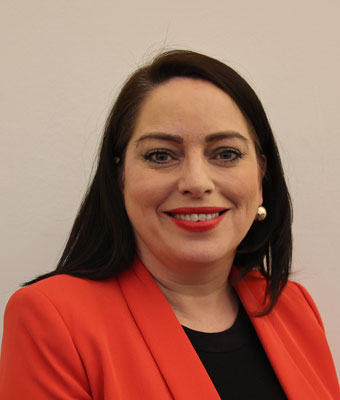
My question relates to the lack of a school dental programme in County Monaghan. I submitted a parliamentary question on this and the response I got was very disturbing, to be honest. We all know that in all areas of health care, early intervention is crucial. Prevention is preferable to treatment. Issues identified early allow for less intensive or invasive treatment. It is positive to introduce and reinforce positive dental hygiene and care from an early age. Dental is among the most basic of health services, so the Minister of State will appreciate my shock to receive a response from the HSE to a parliamentary question which outlined that no children in County Monaghan received a dental check-up in the last academic year. Actually, being shocked does not go far enough; I was disgusted, to be honest. The HSE informed me that the reason for this was staff retirements, maternity leaves and the paucity of dentists available nationally. It is not too much for the people of Monaghan to ask the Minister that this service would be put in place immediately. Retirements are generally foreseeable and should not lead to collapse in the services. Maternity leave is a fairly common life experience which should not lead to a collapse in the service. Will the Minister of State ensure that the people of County Monaghan get their routine dentistry requirements and check-ups in national school?
It is also a question of accountability for the HSE and the Government on this matter. This scandal that no children in County Monaghan are receiving dental check-ups has brought both me and the Minister of State into the House this morning. What has brought us to this point is a broader mismanagement and, given the latest revelation, I would say maladministration of our dental services. At the heart of the issue is Government's failure to train enough dentists and overreliance on private dentists who are under no obligation to deliver this critical public service. To go from 770 children in 2021 who did receive routine check-ups to zero children last year in County Monaghan who received a dental check-up, leaving 832 children on a waiting list, is undeniably a collapse of the service. Does the Minister of State accept that there has been another collapse in the HSE school-linked dental programme in County Monaghan? What is she going to do about it and when is she going to do it? How many children in Monaghan will receive a check-up in this academic year?

I thank the Deputy. This is a very serious issue for children who are waiting for public dental assessment in the Deputy's county of Monaghan. The HSE oral healthcare service aims to provide an oral examination and necessary treatment for children between second and sixth class and, in some cases, fourth class. Emergency care is provided for children of all ages up to 16 and for those with complex and additional needs. Due to the nature of the oral health examination programme, it does not meet the usual definition of a formal waiting list. However, children are deemed eligible on 1 September when they commence the relevant academic year.
The Department of Health engages with the HSE on an ongoing basis to understand and address any challenges arising in the provision of public oral healthcare services. The Minister for Health is aware that there are backlogs in the HSE’s child oral health examination programme which has meant that sixth class groups are being prioritised. Currently, capacity in the Cavan-Monaghan area is impacted by maternity leave which is reducing service provision. I take into account what the Deputy has said about the children over the last year who have not had a check-up. She can be assured that it will go back to the Department and the Minister for Health, Deputy Carroll MacNeill. The public dental service in Monaghan is currently targeting children in the 2023-24 academic year, 65% of whom have received assessments. There are 832 consents received from parents for children in the 2024-25 academic year who are waiting for appointments. So far in 2025, 425 sixth class targeted assessments have been completed in the Cavan-Monaghan area.
The Government acknowledges that more needs to be done to ensure these children can access their examination appointment. Building on investment of over €230 million per year in public oral healthcare services, an additional €2 million was awarded in budget 2025 to recruit 15 additional oral healthcare WTEs nationally. The Deputy is right that one of the biggest issues is recruitment. As she said, there may be staff out on maternity leave or there could be vacancies. That is an issue and a challenge for us. The good news for us is that there was funding in budget 2025 to recruit 15 additional oral healthcare WTEs nationally.
In the longer term, the Minister recognises that oral healthcare needs to be modernised in line with best international evidence and practice, as set out in the national oral health policy, Smile agus Sláinte. The €2 million budget 2025 investment will increase to €4 million in 2026. This supports the delivery of a three-year implementation plan for the policy, which is currently being finalised for publication by the Department of Health and the HSE. Service reform is vital to improve access to services in the long term, to ensure care is accessible from birth and is prevention based. The policy also highlights the need for strategic workforce planning to ensure a sufficient number of appropriately trained oral healthcare professionals, to include dentists, dental hygienists, dental nurses and other auxiliary grades. The Department of Health will continue to work with the HSE to continue to address any challenges arising in the provision of oral healthcare services and ensure the implementation of necessary reforms.
I want to reiterate that although 900 people were assessed in Cavan, in County Monaghan zero children were assessed. That needs to change and something needs to happen immediately. Sinn Féin outlined our proposals to address the crisis fostered by Fianna Fáil and Fine Gael in our dental services. A year ago, my party colleague and Sinn Féin spokesperson, Deputy Cullinane, published our health plan. It highlighted that between 2019 and 2024, nearly half of dentists providing publicly funded care to medical card holders had withdrawn from the dental treatment services scheme. Nearly 80% of those who remained were not taking on new patients. The Government's oversight of the denial of services has been seen in low-income households that have been denied the opportunity to save teeth and prevent oral disease. In the long term, it will cost households and the State more. The Government has not heeded the warnings from the Dental Council of Ireland, the Irish Dental Association or Sinn Féin and we are dealing with the consequences. We can now pay heed to Sinn Féin's plan. The Minister of State needs to do this. We need to hire more dentists and dental care teams to target school screening for children and medical card holders. Sinn Féin would expand dental training places by 32% from 185 to 245, develop a modern general dental services contract, crucially including a public-only contract, and make necessary reforms to the Dentists Act. A year ago, Sinn Féin said we needed to get dental screening programmes in schools back on track. In my county of Monaghan, the programme has come off the tracks entirely. Will the Government implement the necessary measures that I have outlined?
Will the Minister of State give a guarantee that the schools programme will be reinstated in County Monaghan this year?
I have taken the Deputy's points on board. She also spoke about Cavan, which was the one over the one-year period. I will bring that back to the Minister. The Government is committed to addressing immediate difficulties patients are experiencing in accessing oral healthcare services as well as fundamentally reforming dental services through the implementation of the Smile agus Sláinte programme.
The two key goals of the policy are to provide supports to enable every individual to achieve their personal best oral healthcare and to reduce oral health inequalities across the population by enabling vulnerable groups to access oral healthcare and improve their oral health. I can assure the Deputy that these are priorities for the Government. I do see the frustration. I am a mother and now have grandchildren so I know how important early access to oral healthcare is. Dental services are so important for us. I am very mindful of that.
The implementation plan will be published and will set out intended milestones and timing for the first phase and reform of the service for adults and children will be among the initial priorities. I am confident that by working together across relevant Department agencies and other stakeholders in line with their respective roles and responsibilities, the goals of the policies will be met to benefit children nationally and in the county of Monaghan. I thank the Deputy for raising a really important issue. I can assure her that the Government is committed to working on this.
Drug and Alcohol Task Forces
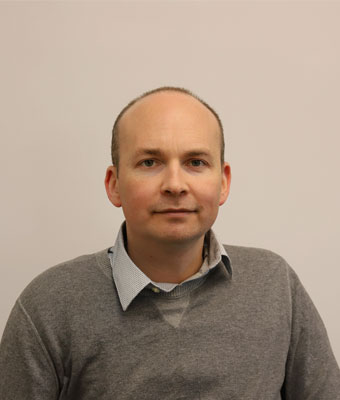
I appreciate the fact the Minister of State is here so I hope we can get some information for the local drug and alcohol task forces. These are the people who are doing the work on the front line in communities affected by drug abuse. I hope to hear differently from the Minister of State but it seems as though this Government is continuing the policy we have seen over the past ten years or so of what is the effective slow strangulation of our drug and alcohol task forces.
We know that between 2015 and 2025, the overall health budget increased by 94.7%. It has almost doubled and yet core funding for local drug and alcohol task forces decreased by 4.5%. In its new budget, the Government is saying that there is no cut to funding for community drug services in 2026 but when we dig into the detail, that does not seem to be the case. The first year cost of auto-enrolment for drug task forces will be 1.5%. That will increase year on year but in the first year, we are talking about a cost of 1.5%. There is no funding provided to enable the task forces to meet that. That is a crisis for them. These people want their staff to be able to access pensions but this needs to be resourced. Where are they meant to come up with this money? There is no uplift for these projects to cover the rising cost of living, so it certainly looks like a cut in core funding because extra costs are being put on them without extra resources being provided for it.
It is concerning that in the fact sheet on the budget from the Government, there is no reference to the drug related intimidation and violence engagement, DRIVE, project. This is an interagency project to respond to drug-related intimidation. This programme is rolled out in different task forces across the country. In Whitechurch in my constituency, the Whitechurch addiction support project, which is supported through DRIVE, caters to 75 families. These families are receiving threats from drug dealers. It is a horrific situation to be in. I have spoken to people in this situation many times. Because of DRIVE, the project was able to hire a dedicated worker for families experiencing drug-related intimidation. It managed to get two-year funding for this from the community safety innovation fund. That funding has now ceased and the project does not know what it will do from 1 January. What support will it be able to provide for the 75 families it was able to help in the past year? I hope it is just an error and that funding is being provided for DRIVE, so I look forward to hearing the Minister of State's response on that.
A clear sign the task forces are being effectively run down from the top down is the fact they are not going to be included in the new reference group to support the implementation of the new national drugs strategy. The Department is saying that it will take a cross-sectoral approach as opposed to a representative one, so the people who are delivering these services on the ground in places like Tallaght, Whitechurch, Ballymun and other places across the country suffering from deprivation and experiencing drug abuse and all the problems that go with it will not be listened to. There is a saying from the disability rights movement "nothing about us without us" and yet here the people on the ground providing the services are not being included in the development of the implementation of the new national drugs strategy.
I thank the Deputy for raising this very important issue. The national drugs strategy, Reducing Harm Supporting Recovery, sets out the Government’s strategy to address the harm caused by substance misuse in Ireland up to 2025. Work is ongoing in the development of a successor strategy. We are working on that and it is to do with everybody. I am making sure that everybody is involved in it.
I am keenly aware that drug and alcohol task forces play a key role in implementing the national drugs strategy at the local level. They assess the extent and nature of the drug problem and initiate appropriate responses, so there is a co-ordinated approach involving all sectors to the problem of substance use in local communities and local communities are consulted in the design and delivery of services. I am very much aware of the work of the task forces and I can assure the Deputy that they will be very much involved in every part of our strategy. I compliment them on the great work they do. Officials in my Department have regular engagement with key representatives from the task force network. This presents an opportunity to discuss policy and operational issues affecting task forces and to hear first-hand about issues of concern in local communities. We really know the role they play and are very appreciative of the work they do and the information they give us. This informs decision-making relating to the allocation of funding and provision of services. The Department allocated €161 million under the national drugs strategy in 2023. This represents an increase of 28% on 2017 funding levels at the start of the outgoing strategy so there has been an increase.
In accordance with a population-based allocation model, all new funding for drug services is distributed under the remit of the HSE health regions with service priorities to be identified in consultation with relevant stakeholders, including drug and alcohol task forces. The Department and the HSE provide approximately €28 million in funding to the 24 drug and alcohol task forces. I have met most of the chairs and am working with them because the Department and I appreciate the work they are doing. This funding provides for the operation of approximately 280 drug and alcohol projects across the country.
I remain committed to the strategic priority from the outgoing national drugs strategy to enhance access to and delivery of drug and alcohol services in the community. I am delighted that budgets 2024 and 2025 allocated a total of €10.2 million in new recurring funding for drug services. In 2024, an additional €2.3 million was provided for community-based services, including €1.5 million to sustain existing services and €0.8 million to support the recovery of people from drug dependency and their integration into everyday life. Recently, I announced details of a further €1.89 million for community-based drug services in 2025 to be distributed through the health regions.
This would be through the community services enhancement fund. The money will be used to improve access to services in unserviced communities, to promote evidence-based innovations in service design and delivery and to enhance services for people who use stimulant drugs. I have encouraged task forces to apply for this funding. I will be working with all the task forces to apply for this funding. I am fully committed to the provision of drug and alcohol treatment services.
I appreciate the answer, but the Minister of State knows as well as I do that it does not actually answer any of the points that I raised. I am hoping that in her two-minute supplementary response the Minister of State will address these issues. I appreciate that she gave the answer she was provided with, but this is causing real concern for task forces across the country. I will repeat the basic points I made in my initial contribution. First, there is a cut to core funding of the task forces because no funding is being provided for auto-enrolment. Will the Minister of State clarify if any extra funding is going to be provided to meet the 1.5% increase in costs in the first year? Second, I asked about an additional ongoing funding uplift for the projects to cover the cost of living. Third, I asked about DRIVE, an important national project which was being rolled out across the country but appears to have disappeared in terms of funding. There is still a website talking about how good it is and there is a press release about it but currently, as far as I can tell, there is no funding provided for it.
In addition, I ask the Minister of State to address the exclusion of the local drugs and alcohol task forces from the reference group to support the implementation of the new national drugs strategy. She said that they are an integral part of the delivery of this, but it does not look like they are an integral part when they are not being included in it. I look forward to answers to those questions. I repeat the point that it certainly looks to me, and I think to many other people on the ground, that there is a slow strangulation of these task forces, which are providing vital services on the front line. Applications can be made for things like the community services enhancement fund, but that is not a substitute to core funding. That is what we hear from the task forces all the time. It is not a substitute because they cannot make long-term plans on the basis that they apply for this grant now. They need to be able to have permanent staff and be able to provide a future for people. They need to be able to pay for their pensions, so the key thing is core funding.
I am very much aware of the excellent work the task forces do. They are very much part of what we see when we look at what services are needed within the communities. The Department and I are working with the HSE to include the 24 task forces in everything. We have an all-together group. All of us working together is not about being excluded. I am making sure everyone is included. Anything to do with drugs and families is a huge concern to me in the sense that we are talking about people's lives here. I can assure the Deputy that everybody will be included.
Will they be included in the reference group?
I will be working with the different groups. The reference group has been set up, but I will continue to meet the chairs of the task forces. This needs to go back to the task force groups that the Deputy is working with. I can assure the Deputy that I appreciate the work they do.
Auto-enrolment is a whole-of-government approach, working through the Department. It is something the Department is working on. There have been no cuts to funding within my own sector. We got an increase this year.
I launched DRIVE recently. I am so proud of the work it does. As the Deputy said, in Whitechurch 75 families were able to access this. I have made this a priority. I will look into the issue with DRIVE in the Whitechurch area. I say "well done" to those who have done all the work to ensure 75 families have been getting help and support. That is what I am here to do. The Department and I are here to make sure we have those services for our vulnerable families that need that support. As I said, I will come back to the Deputy on that. I assure the Deputy that the new drug strategy is a key priority for me and the Government. I am very mindful that drugs are not just a Dublin issue. Drugs are also a rural issue. This is an issue all around Ireland. With the great work that the 24 task forces do, I have to make sure I look at all services around the country to make sure that the families in need get assistance. I thank the Deputy again for raising this really important issue.
Wastewater Treatment
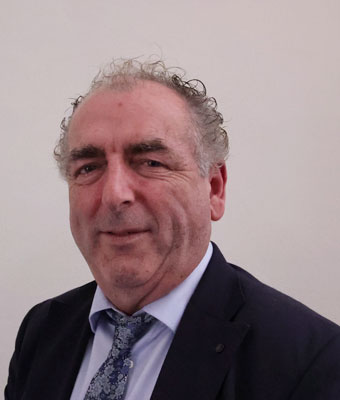
I welcome the announcement by the Minister for Housing, Local Government and Heritage, Deputy Browne, regarding the new initiative that will allow private sector involvement in developing wastewater systems for smaller housing developments of up to 40 homes. This initiative is a crucial step towards addressing the infrastructure deficit in rural areas, particularly in County Kerry, where housing development has been long restricted by a lack of adequate wastewater facilities. By enabling developers to collaborate with Uisce Éireann on low-volume wastewater systems, the Government is providing a much-needed solution that will accelerate housing delivery in areas that are currently stifled by infrastructure bottlenecks. This will help to alleviate some of the pressure on our smaller towns and villages where housing demand has far outpaced the availability of wastewater treatment options. In my own county, over 40 villages do not have any wastewater treatment facilities, while a number of others have been at capacity for 20 or 25 years. Constructed wetlands, as I previously mentioned in the House, are a cheaper and faster way to provide wastewater treatment and they are environmentally friendly. However, this is a positive move.
It is essential to recognise that wastewater infrastructure alone will not solve the broader housing crisis in rural Ireland. In counties like Kerry, we also face significant policy challenges that prevent many families from building homes on their own land. The national planning framework and the 2005 sustainable rural housing guidelines currently restrict many rural applicants from building family homes, especially when their land is located outside designated areas for housing development. There is a circle around most towns and villages in Kerry where no development is allowed unless you are actively farming. These are towns and villages that are supposed to be under strong urban pressure. This has to be removed or at the very least, the planning restrictions must be eased. These guidelines, though well intentioned, have often led to unintended consequences in rural communities. Many families who want to build on their own land or buy a site to build a home are unable to do so because of restrictions that were designed for a different era, when rural populations were much smaller. Kerry's rural communities in particular are struggling with these outdated policies which have hindered housing growth and caused unnecessary hardship for local families and communities.
While the Minister's initiative on wastewater infrastructure is an important part of the puzzle, it must be complemented by a more flexible and forward-thinking approach to planning policy. Local authorities must be given greater discretion to approve developments based on local needs rather than being bound by rigid national guidelines that fail to reflect the realities on the ground. We are in the middle of a housing crisis, as we all know, and we must not lose sight of that. The current planning policy and conditions and the lack of infrastructure is forcing applicants onto our housing lists. Many of these are in a position to build a house and they can afford it, and they can afford also to get a mortgage, but we are forcing them, through these policies, onto our housing lists. The Minister's announcement yesterday is an important step towards addressing the pressing need for infrastructure development in Kerry. It is critical that we continue to look at innovative solutions for wastewater systems that will allow for faster, more sustainable development in rural areas. As I have referenced already, constructed wetlands are a far speedier and cost-effective option. Where necessary, two or three can be constructed, for example. In Beaufort, just outside Killarney, two years ago, €6 million was announced for a sewerage scheme. I was told recently by Uisce Éireann that it will take at least another seven years. That is almost ten years, which is not good enough and needs to be addressed. As I have outlined, we must also address the broader issue of planning restrictions that continue to prevent many families in Kerry and throughout Ireland from building a family home on their own land.
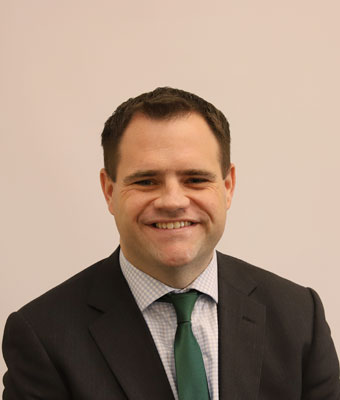
I would like to take this opportunity to thank the Deputy for raising this important matter. At the House's discretion, I think the Deputy would like to join me in a note of sympathy on the death of his former colleague in Kerry County Council and former mayor of Tralee, Jim Finucane, who was a good friend of mine and I know of the Deputy as well. I am taking this Topical Issue on behalf of the Minister for Housing, Local Government and Heritage, Deputy Browne.
The recently approved revised national planning framework retains the national policy objective, NPO, of supporting the sustainable development of rural areas.
This NPO makes a clear policy distinction between rural areas under urban influence, that is, those areas within the commuter catchment area of cities, towns and centres of employment where there is a need to facilitate rural housing on the basis of demonstrable economic or social need, on the one hand, and rural areas where population levels may be low or declining and rural housing may be facilitated on the basis of siting and design, on the other. In line with the programme for Government commitment to continue to support one-off rural housing, the Department of Housing, Local Government and Heritage is considering how best to proceed with updated rural housing guidelines in the form of a national planning statement on rural housing. This work will replace the current rural housing guidelines and will continue to enable development plans to provide for housing in the countryside based on the considerations detailed in the national planning framework. This will be balanced with the need to manage development in certain areas, including areas around cities and larger towns and environmentally sensitive areas, to avoid overdevelopment.
The development of these new guidelines is a priority for the Minister of State, Deputy Cummins, recognising that nationally, rural housing continues to be an important component of overall new housing delivery. The vast majority of one-off houses - well in excess of 90% - are built in rural settings. Notwithstanding the need for updated rural housing guidelines, planning permission has been granted for almost 6,000 one-off houses on average every year since 2020. One-off houses constituted 20% of housing completions over the past five years, with an average of 5,200 completed per annum. It is also important to assure the House that both current and future planning guidelines will continue to enable county development plans to provide for rural housing. Furthermore, the Department is a key participant in the development of the new Our Rural Future policy, which will take effect from 2026, and regularly engages with the Department of Rural and Community Development and the Gaeltacht on housing and the necessary infrastructure to support housing development.
I thank the Minister of State for mentioning my late colleague on Kerry County Council, Jim Finucane. Jim was a great Kerry man. He loved his county and his town of Tralee. He was involved in everything. big and small, in Kerry. I extend my sympathies to his wife and family and his wife's nephew, Councillor Mikey Sheehy. I was deeply shocked and saddened to hear this news late yesterday evening. He will be sadly missed by all. He left an impact on Kerry and that will forever be remembered. Ar dheis Dé go raibh a anam.
The national planning framework and sustainable rural housing guidelines 2005 were introduced at a time when rural areas had different needs. These policies now need to be reviewed and updated to reflect the current housing crisis and the demands of rural communities. Another area that must be addressed is the restrictions on national primary and secondary roads where unless a person's application for a house is in a section of road with a limit under 60 km/h, then they are out. The Ring of Kerry is an example of this. Other examples include the roads from Castleisland to Tralee, Castleisland to Farranfore, Tralee to Dingle, Tralee to Listowel and on to Tarbert, Killarney to Rathmore, and many others. The Government must reform these national policies to ensure that families in rural Ireland are not locked out of the opportunities to build homes where they live. We need a planning system that can be responsive to the needs of local communities and provide the flexibility to address the housing shortage in a meaningful way.
We must allow modular homes. As I have previously stated in this House, applicants and their families who attend my clinics and whom I meet on a daily basis in their homes would be more than happy with a good-quality modular home. After all, in many cases, it is all they can afford. I plead with the Minister of State to look closely at opening up our county and country to modular homes. It is the only option for many families today, sadly, but they would be more than happy with such a house. In many cases, they are of such a high quality that they would last 60, 70 or 80 years.
While yesterday's announcement is a positive step forward in addressing some of the infrastructure challenges in rural Ireland, we must not lose sight of the need to reform planning policy. The combination of streamlined wastewater solutions and updated planning guidelines will help us deliver the homes that are so desperately needed in Kerry and rural communities across the country. I want to see couples around Killarney, Killorglin, Cahersiveen, Dingle, Kenmare and Castleisland being allowed to build a family home. Fianna Fáil is committed to ensuring that no community is left behind. We will continue to work towards a more flexible and responsive planning system that allows families to build homes on their own land and contribute to the growth and sustainability of our rural communities. We must provide housing. We must provide the infrastructure, such as constructed wetlands. We must provide affordable housing, social housing and low-cost sites.
The updated rural housing guidelines in the form of a national planning statement will set out relevant planning criteria to be applied in the local authority development plans for rural housing on a consistent basis based on the high-level policy framework set out by the national planning framework and recognising that obligations under European directives and international agreements relating to the management and protection of the environment and adapting to and mitigating climate change has become more central to the operation of the planning system. I assure the House that due care is being taken to ensure that this work will not conflict with the fundamental EU freedoms, will comply with EU environmental legislative requirements and will have dual regard to decisions of the European Court of Justice.
To ensure compliance with all these considerations, the draft will need to be subject to environmental assessment and legal review, following which it is intended that it will be published for a period of public consultation. This is a key part in relation to the asks and reasonable suggestions that the Deputy put forward in order to drive housing provision in County Kerry and beyond. This is the window to make sure that this is submitted and a full part is played. In addition to supporting rural housing, the programme for Government includes a significant number of commitments in relation to the development of housing in rural areas which the Department will address where necessary in conjunction with agencies, such as Uisce Éireann and other Government Departments as required and, indeed, as alluded to by the Deputy. In particular, the Government is committed to the provision of infrastructure to support housing across the country in order to meet housing need and looking at reasonable, realistic and common-sense approaches that can unlock the potential for housing in counties such as Kerry and many others.
Water Services
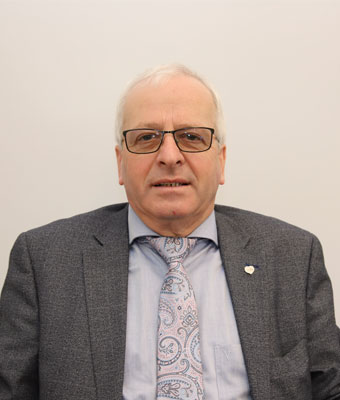
Ar an gcéad dul síos, ba mhaith liom buíochas a ghabháil for allowing me to table this Topical Issue today. I declare an interest in that a company I am involved in does some work for Irish Water. No disrespect to the Minister of State, Deputy Richmond, but I am disappointed that the Minister or the Minister of State with responsibility is not here. That is the real problem. There is absolutely zero accountability with Irish Water to us public representatives or, never mind us, to the public who depend on this water. Clonmel town - Deputy Murphy was here and he is as well aware as I am - is a chronic situation. I spoke to a company five minutes ago. They have been onto me every week. Sixty-five jobs are about to leave the town because the company cannot use the water. It has to bring in tankers to have clean water to use for its manufacturing product. The jobs are leaving and going to the northeast - just imagine. This is chronic. There are people in charge who do not have a clue and do not seem to care.
I meet engineering staff who I talk to, and they understand the water. I meet executives, different executives and more executives. They are bamboozled talking about investments. There are investments going on - we accept that - but there is also damage being done to the water services that have supplied Clonmel for a century and a half. Clonmel, before Irish Water took over and until recently, was using 220 cu. m of water per hour. That was being supplied from Glenary and the reservoir south of the town up on the Comeraghs. That was being supplied by one 10 in. main in around Kilmacomma and one 7 in. main going to the reservoir. They took out the 7 in. main, with a big investment, put in a 9 in. main and increased the water into the reservoir, but they would not listen to anybody and increased the pipes going out. Then what did they do? They sabotaged the 10 in. main, which had been laid about 22 years ago. I remember it well. It could supply so much of the water into the town and now we are depending on the reservoir and the plant. It is under pressure. Every evening it is down, down, down low. It cannot maintain this. I argued this with Irish Water, as did others, prior to it doing this work. The contractors that did it knew it was madness. Imagine that they capped the main going into Kilmacomma, County Waterford. It is a 10 in. PVC main, but other mains have asbestos and suffer from other kinds of poor quality. This is a perfect main. It supplies two thirds of the town, including the hospital. For the first time ever, the hospital ran out of water two weeks ago and it had to get in tankers. This is sinful and shameful that Irish Water can do this kind of blackguarding with no recourse to anybody. It has men there who know the system, but it does not want to engage with them. It has transferred one of them to Carrick-On-Suir. He knows the water intimately, but this is the kind of blackguarding. It does not know and does not want to listen, but it is shocking that it can sabotage the main and people then have dirty water and boil water notices for months in the Ardfinnan regional water scheme.
They have been on it since early September. The agency now intends to move on to the Galtee's plant, which it is going to wreck as well. Somebody has to rein it in, make it accountable and not give it copious more billions to put in infrastructure. I welcome the millions that will be provided for infrastructure because we cannot wait for Irish Water. It is unfit for purpose. It is a monstrosity that was created here by the Fine Gael Government and the sooner it is disbanded and taken down, the better. The businesses that are paying a fortune to this company for water are entitled to a service. Households are entitled to have clean drinking water that is reliable and safe, as are the hospitals, doctors' surgeries and other such places.
I am in the centre of the town. In my office we have a lovely water supply from Poulavanogue. It has been there for 200 years. They are going to disconnect that even though the supply flows down into the town and never gives trouble. That is the case at the moment, and it was also the case in the summer and last year when there was trouble all over the town. We had a water supply in the centre of the town. However, they are going to disconnect that. They tell us they cannot upgrade it to meet the standards. It is sabotage and nothing else. If they are not stopped soon, they will drive away employment and jobs and drive people to insanity.
I thank the Deputy for raising this issue, which I am taking on behalf of the Minister. The Deputy will appreciate that the supply of public water and the provision of water services in general are matters for Uisce Éireann in the first instance. Uisce Éireann has statutory responsibility for all aspects of water services planning, delivery and operation at national, regional and local level. The Minister has no function regarding the specific Uisce Éireann operations to which the Deputy refers. The Environmental Protection Agency, in turn, as environmental regulator, is responsible for setting quality standards and enforcing compliance with EU directives and national regulations for the provision of drinking water. As the public health authority, it is the HSE's decision regarding issuing a boil water notice.
To be helpful, the Minister has made inquiries of Uisce Éireann on both the Deputy's behalf and that of Deputy Michael Murphy, who raised the matter directly with him. Uisce Éireann acknowledges that aspects of the water treatment plants and network infrastructure in Clonmel are aged and fragile and the resulting impacts that water supply issues have on businesses and residents in the Clonmel area.
Uisce Éireann is committed to investing significantly in Clonmel to deliver a more robust, resilient water supply that will include upgraded treatment facilities, storage and an upgraded network. Uisce Éireann has confirmed that the delivery of a strategic multimillion euro investment to modernise and upgrade the water assets across the town is well under way. When complete, this will provide local homes and businesses with a safer, more reliable water supply into the future.
Clonmel and the surrounding areas are currently supplied with drinking water from three water treatment plants - Poulavanogue, Glenary and Monroe. The area has been subject to ongoing operational issues impacting homes and businesses, including intermittent boil water notices and unplanned interruptions to supply. While these works are ongoing, Uisce Éireann has been in contact with the customers in question to keep them informed of progress being made to lift the boil water notice. The Uisce Éireann water charges plan sets out a compensation mechanism when water quality is compromised and unfit for human consumption such as when boil water and drinking water restriction notices apply. Business customers who pay charges can follow up with Uisce Éireann as they may be entitled to a rebate. The Department's priority is to ensure that people's health is protected and that adequate water is available for all consumers. We all want to see this notice lifted without undue delay, but only when the HSE and the EPA have confirmed the water supply is safe.
Normally, I welcome investment. They keep telling us there is a lot of investment. There is investment, but normally investment improves the situation. The investment here has done awful damage to the situation. We hear the buzzwords "resilient" and "continuous supply", but it is not resilient. We have had resilient supplies for generations at Poulavanogue - a gravity supply. Now, they must turn around and pump the water back up there. That does not make sense at all. I told the Minister of State we need 220 cu. m per hour and that has been restricted because we moved the 10 in. pipe. They put a 4 in. pipe into a housing estate in County Waterford, Kilmacomma, and they tapped it, which means that it cannot be used any more in an emergency. The hospital was never without water until two weeks ago. Imagine our hospital having to get in tankers. Businesses are crippled with enough charges and they need a supply of water. They are paying dearly for water in and water out.
This is the situation. There is no Minister. He has no responsibility. It is the EPA and the HSE. The HSE is another body that is unfit for purpose. The EPA has set the standards too high. The problem is mechanisation and computerisation of the plants. No physical persons are going out there when we have heavy downpours of rain and cleaning the screens, which they always did. I refer to Mr. Hartigan, the late P.J. Cullinan and Joe Carrigan, who is still with us. Many other people went out and cleaned the sieves and the water went. Now we are waiting for a computer to send a message to somebody who may or may not answer his phone. The workers are fatigued and disgusted. The Minister is trying to move them over to Irish Water. There are good workers and excellent county council staff all over the country. We could not have better in south Tipperary than the team of people we have. They are being bullied to go into a company in which they no faith. They are ashamed to drive the vans with the names on the side of them. That is what they tell me. They have no intention of going to Irish Water. We will have a worse situation when their expertise, knowledge and capability to fix the mains and look after the network is gone. We are going from bad to worse unless someone takes a hold of this. We will lose jobs and business people. People's health is being damaged, including their mental health, because they have no water and then they have dirty water.
Both our water and wastewater systems require substantial and sustained investment over a number of investment cycles to bring the systems up to the quality and resilience standards required of a modern service to provide for population growth and to build resilience in the face of climate change. The preferred long-term approach for Clonmel, as set out in Uisce Éireann's national water resource plan, is the construction of a new water treatment plant with water sourced by abstraction from the reservoir. The overall plan sets out strategic options to ensure a more secure, reliable and sustainable water supply for almost 370,000 customers in the region over the next 25 years, supporting future growth in population and industrial development.
The updated national development plan has secured record levels of investment of €12.2 billion for the water sector, of which €11.7 billion will be invested by Uisce Éireann to support the delivery of key strategic projects in our cities and regions to deliver the additional water services capacity required for the new housing targets while prioritising public health and safeguarding the environment. This investment will deliver significant improvements in our public water and wastewater services, support improved water supplies right across Ireland, including rural Ireland, and support a range of programmes delivering improved water quality in our rivers, lakes and marine area, making a significant contribution to addressing Ireland's needs.
As per the very specific concerns in relation to Clonmel, as raised by Deputy McGrath and previously by Deputy Michael Murphy, the Minister remains available to be contacted directly to address this issue in tandem with Uisce Éireann, the EPA and the HSE. I thank the Deputy for his intervention this morning.
Driver Test
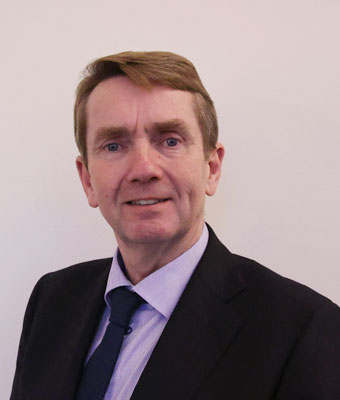
I thank the Minister of State for taking this important Topical Issue. I raise this issue today because there is an urgent need to finally close the loophole that allows drivers to continue renewing learner permits indefinitely without ever sitting a driving test. Of course, this is not a new problem. It was identified more than a decade ago in the RSA's Road Safety Strategy 2013-2020. Action 33 of the strategy clearly commits to addressing this loophole with a completion date of quarter 1 of 2014. Eleven years later, this loophole still has not been closed.
I acknowledge the Minister's ongoing work, and that of the RSA, in improving waiting times for driving tests. We know that waiting times have been reducing steadily and additional testers have been recruited. This progress deserves recognition. The current waiting time is averaging ten weeks and we need to get it lower. There is a capacity in the system to do 7,200 tests on a weekly basis.
However, the issue of multiple successive learner permits remains a glaring gap in our road safety framework. I acknowledge all those who have lost their lives this year - 147 people. I also think of their families today. I also want to acknowledge the work of PARC, the road safety advocacy group, in particular Susan Gray, with whom I work very closely in my role as Chair of the Oireachtas Joint Committee on Transport.
According to the RSA, more than 56,000 people currently hold three or more learner permits and many of them have never once sat a driving test. The situation is deeply unfair to the majority of learners who do the right thing - those who complete their lessons, prepare properly and take the test when they are ready. It also undermines public confidence in the system. The RSA confirmed before an Oireachtas Joint Committee on Transport committee meeting in June that draft regulations have been prepared to deal with this issue and the process with the Department is at the final engagement stage. The RSA expects implementation to be imminent. These regulations will, as I understand it, limit renewals to three learner permits and require a person to sit a driving test before a further renewal is granted. I believe that is a fair, balanced and long overdue reform, but it needs to happen now. A related issue, which must be tackled at the same time, is the growing number of no-shows for driving tests.
In July and August alone, over 6,000 hours of testers' time were lost because candidates simply did not turn up. In fact, it was 2,000 candidates. That is the equivalent of hundreds of extra tests that could be carried out, tests that people who are desperately waiting could have taken. I understand efforts are being made to reduce waiting times but unless this loophole is closed and the no-show rate is addressed, the system will continue to face unnecessary pressure.
The Department's own statement from earlier this year said that secondary legislation is being prepared to give effect to this change and the RSA is finally finalising its implementation plan. I urge the Minister of State to bring those regulations forward without delay because every month that passes is another month where this loophole continues to undermine road safety and fairness. This reform has been promised for over a decade; it is now time to deliver it.
I am very grateful to Deputy Murphy for raising this issue. The Minister of State, Deputy Canney, would also like to thank him for raising this matter and he looks forward to continuing a very close working relationship, given the Deputy's role as Chair of the Joint Oireachtas Committee on Transport.
The Department of Transport is committed, under action 7B of the road safety strategy phase 2 action plan, to addressing the issue of learner drivers with multiple successive learner permits and, in particular, those who have never taken a practical test. In 2019, the Road Safety Authority, RSA, made proposals on reducing the number of multiple subsequent learner permit holders. However, with Covid-19, driver testing shut down and was then greatly restricted, leading from 2023 on to significantly longer waiting times for tests. Accordingly, there was not sufficient capacity to cope with the additional initial demand for testing that might arise from these measures. As alluded to by the Deputy already, the average waiting time for a B car test is now ten weeks, a significant improvement on the 27-week average in April and a return to the service level agreement target. There is now no barrier in testing capacity to the introduction of these changes.
We know, however, from RSA data that a significant number of learners renew their permits for many years without ever taking a test, rather than going through the learning process and becoming qualified drivers. As of September 2025, nearly 63,000 people, or 19% of all learners, have renewed their car permits three or more times. Of those 63,000 learners, 60%, or nearly 38,000, have never taken a driving test.
Under this proposal, a learner, after holding a permit for four years, must take a practical test before renewing their permit. For most learners, this will be for their third permit. After seven years, the learner, to continue learning to drive, begins the process again - theory test, learner permit, 12 essential driver-training lessons and the practical test. A learner permit is not a driver licence. It allows the holder to drive on public roads, accompanied by a qualified driver, while learning to drive. Until a learner completes the process and becomes a qualified driver, they cannot be judged safe to drive unaccompanied on public roads. As learners may not currently drive on public roads unaccompanied, these changes will not affect the independence or mobility of any learners who comply with road traffic law, including older and rural learners.
The learning-to-drive process sets out the knowledge, skill and competency needed to become a licensed driver. These changes will improve road safety by encouraging learners to become qualified drivers and not remain in the learning process. It is considered that seven years is more than enough time for the vast majority of learners to achieve this.
The Minister of State, Deputy Canney, intends to sign the regulations for these changes very shortly. The RSA will then contact those directly affected with information on the changes. The Minister of State remains extremely grateful to the Deputy for raising this in the Chamber this morning.
I thank the Minister of State. I have a reply in front of me and perhaps he could give clarification. It says that the Minister of State, Deputy Canney, signed a regulation yesterday. If that is the case, I welcome that. I also welcome the reply the Minister of State, Deputy Richmond, has just given and again acknowledge the Department's efforts to improve driving tests overall. As the Minister of State knows, this issue has been flagged repeatedly by the RSA and by the transport committee, of which, as he said, I am Chair, but more importantly by the public and road victims advocacy groups, in particular Promoting Awareness, Responsibility and Care, PARC. The commitment dates back to 2014 but we still have a situation where tens of thousands of drivers can legally stay on the road without ever proving they are competent to drive. Some of those 60,000 are in receipt of learner permits on more than 20 occasions.
The Minister of State might give clarification on the timeline. As I said, the reply in front of me said the Minister of State, Deputy Canney, signed this yesterday, which I really welcome. Is there any further clarity around any transitional arrangements? I know the RSA published its action plan to reduce waiting times back in May. I suggest now that this action plan is updated with this significant additional load of 60,000. It is really important that we maintain waiting times at around ten weeks and that capacity in the system to do 7,200 tests on a weekly basis.
On the issue of no-shows, can the Minister outline what measures are being considered to reduce the rate of missed tests? As I said, there were 1,000 missed tests in July and another 1,000 in August. I am still waiting for the figures for September. Will it be through improved notifications, rescheduling, flexibility or perhaps penalties for repeated absences? Again, this is not about punishment. It is ensuring that the learner system works as intended, that it promotes good driving habits and that it protects all road users. It is about implementation. I welcome that either the Minister of State, Deputy Canney, signed the regulations yesterday or that the signing of the regulation is imminent. The RSA is ready. It is time to act now.
I am very grateful to Deputy Murphy for raising this. From a road safety perspective, it is vital that learners are encouraged to complete the learning-to-drive process and become fully qualified drivers, and that people do not hold learner permits without ever taking a driving test. The RSA has a communication plan to engage with multiple learner permit holders. This will provide clear, targeted information to affected learners setting out the changes and providing information regarding testing options and supports available. It is important to remember that learners must always be accompanied by someone with a current driver licence for the same type of vehicle. They must have held that licence for at least two years and display L plates on the front and rear of the vehicles they are driving.
As stated, it is illegal for anyone with a learner permit to drive on a public road unaccompanied. The following penalties apply to a learner convicted of driving unaccompanied. If you are unaccompanied and the vehicle owner, you are liable to have your vehicle impounded. If you are unaccompanied but not the vehicle owner, the owner faces their vehicle being impounded and being fined up to €1,000. In addition, there are penalty points and fines for unaccompanied learners - up to four penalty points and a fine of up to €160.
In closing, the safety of all road users is a guiding principle behind driver licensing law. Road safety is promoted by ensuring that all learners meet a high standard of ability, attain sufficient driving experience and training and prove their ability to drive safely by passing a driving test. With regard to the two specific queries raised by Deputy Murphy, I will, of course, pass them on to the Minister of State, Deputy Canney, and ask him to reply to the Deputy directly.
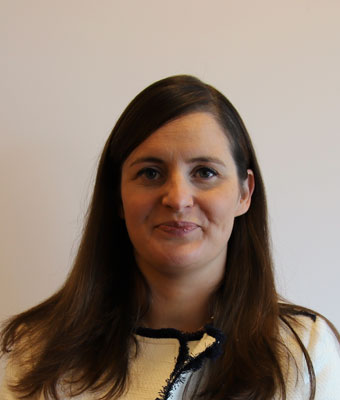
That concludes the Topical Issue Debate. We will proceed with Private Members' business.