Coroners Service
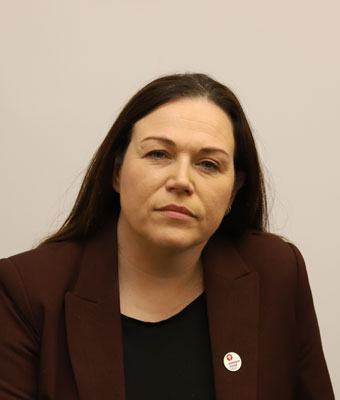
I thank the Minister of State for being here this morning to take this matter. If he does not mind, I will refer to two separate matters. The first is the story in this morning’s newspaper to the effect that delays with funerals are feared as Waterford Hospital is to end coroner-requested autopsies. The article in question refers to a global shortage of pathologists, which means there will be further delays.
I tabled this matter on the basis of my own experience. The matter revolves around the number of leave days available to a person who is bereaved. If we take the civil and public service as having the best bereavement leave entitlement, we find that a person is entitled to five days leave on the loss of a mother or father. I had that experience recently when my mam died. She died on a Wednesday. She was not cremated until the following Wednesday, which, to put it in bald terms, would have put anyone with only five days' bereavement leave in a situation whereby they would have to go back to work. If you take the Wednesday, Thursday and Friday, that is three days. If you take the Monday, Tuesday and Wednesday of the following week, that is six days in total. Even if you get one force majeure day and you take five, it is quite possible to find yourself in a situation where you do not have enough leave. This is not about me. It only came to my attention because it happened to me. It was something I had not thought about at all. You might not be able to go back to work, but you might be someone who has to do so. If you are lucky - and lucky is the word - you get five days' leave.
This is not a plea for additional leave days, because I do not think that is the solution. Culturally in this country, there is a short time between the death and the cremation or burial. As a result, there will be a particular impact if the delays to which I referred occur. I was thinking about it and talking to members of my family. I could not have gone back to work; it would just not have been possible. I am very lucky, however. I have Marian and Freya in my office. They and all of my colleagues together made sure the work was done. I am very lucky, but there are an awful lot of people who are not.
Imagine you are working as a nurse. I am sure that when you go onto the ward, your colleagues are of course going to be lovely to you, mind you and all of that, but you might not have a choice. You might not have any annual leave left. This is to bring attention to the impact of these possible delays. It is not a plea for more leave, because I do not think that is the issue. There is a cultural expectation. When you talk to people from other places they say "Gosh, it is very fast". Culturally, however, that is how it is done in this State. It really shocked me when I realised that even had I taken one day of force majeure leave and five bereavement leave days, I would have had to have returned to work the day after my mam’s funeral. I physically would not have been able to do so. Had I not had the leave, however, I would have had to return. Coming up to Christmas, people might keep leave because they have to have it for the festive period. In some employments, the boss will tell their employees that they have to keep some leave days to cover that period. Someone may find themselves in a situation where they simply do not have the leave.
I tabled this matter to spark a discussion. I do not expect the Minister of State will have the answers this morning, but I had resolved, when I was able, to raise this issue on the floor of the Dáil. I spoke to a number of people, including the funeral directors. We had that conversation, so I am making good on a commitment that was given.
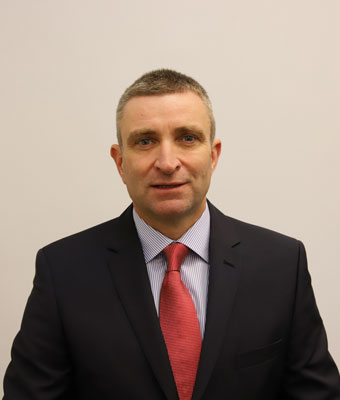
I thank the Deputy for raising this matter. I had not realised that her mam had passed. She has my condolences and sincere sympathies in that regard. I thank her for sharing her personal experience in the aftermath of the event that is informing our discussion this morning.
I am responding on behalf of the Minister, Deputy Jim O’Callaghan. I hope to be able to provide some clarity on some issues and guidance on where we go from here. The Coroner Service comprises a network of coroners in districts throughout the country. A coroner is an independent officeholder who performs a public service by making inquiries into reported deaths. While recognising the significance and sensitivity of the coronial investigation process for loved ones of the bereaved, neither the Minister for Justice, Home Affairs and Migration nor his Department can interfere with a coroner in the exercise of their statutory function to investigate deaths. The Department has had direct responsibility for providing financial and administrative support to the Dublin District Coroner’s Office since January 2018. Outside Dublin, the relevant local authorities fund the costs of all other coronial districts.
The Minister is aware that the provision of post-mortem examination services nationwide is a significant area of concern at present. As the Deputy noted, pathologists provide the post-mortem examination service on what is known as a grace-and-favour basis. This is resulting in delays for the conduct of such examinations in some parts of the country. Several hospitals in Dublin no longer provide autopsy services to support the work of the Coroner Service.
This is causing undue pressure on the system and can cause delays in the conduct of post-mortem examinations in Dublin.
In late 2024, University Hospital Waterford, UHW, advised the Department of Justice, Home Affairs and Migration that it intends to withdraw its autopsy service for all coroner-directed autopsies from 1 January 2026. It is understood that there are nine sanctioned posts in UHW for pathologists, however only six are filled. The team at UHW has advised the Department of challenges in filling the remaining three posts. Of the six filled posts, three of the consultants are understood to have decided not to conduct autopsies, meaning that only three consultants are available to conduct in the region of 700 autopsies per year.
A pathologist contract does not currently include an obligation to conduct post-mortem examinations, hence what is known as the grace-and-favour model. The Department is ready to assist in finding a solution to this issue in advance of the 1 January deadline. As the post-mortem examination service is largely provided through the health service, a solution clearly cannot be found without significant input and engagement on the part of the HSE. The Department of Justice, Home Affairs and Migration will continue to engage with the Department of Health on this issue in order to assist in improving the delivery of this service, which is of critical importance to bereaved families who are engaged with the Coroner Service.
I thank the Minister of State for the reply and also for the confirmation that the Department is ready to assist. The purpose of raising this issue was to ensure that the impact on families will be taken into account. I can see from the reply that the Minister of State is aware of that, but I urge that the practical impact on individuals be factored into the negotiations. As a former trade union official, I cannot believe I am standing here and saying that I am not looking for additional leave. It is not about that, however, it is about the process. I had a chance to discuss the delays with some people. What I say is purely anecdotal. I posit no scientific evidence for this. Sometimes the delays can cause a bit of uncertainty because if a State case comes in, it could push back the release of a loved one's remains, which can have a knock-on effect. The fact is that people are in limbo. It is very individual in nature. We are never going to settle on the right number of leave days. How long does it take to deal with grief? It takes forever. I speak about the capacity of people to be able to go back to work.
Had I been required to be back in work on the Thursday for monetary reasons - to be brutally frank, in a way we are lucky that we can do a job that we love, but a lot of people work for the money not for the love of it - I do not think I would have been able. There is an inability to not go back to work. The fact is that I went back to work on the Friday but that was my choice. I wanted to do it. I had the luxury of additional time off, which a lot of people do not have. They dread the thought of having to go back into work. I want to put that on the Government's radar so that it is factored into the discussions.
I assure Deputy O'Reilly that our Department is committed to driving the modernisation of the Coroner Service in Ireland, including Dublin, where she outlined the issues many families are experiencing, including her own. The Department has received approval from the Government to draft the general scheme of a Bill to significantly reform the Coroner Service in order to increase efficiencies and minimise the impact of the death investigation process on bereaved people and their families. The heads of the Bill, which will be brought to the Government before the end of the year, will aim to address all aspects of the Coroner Service, including the establishment of an independent office of the chief coroner, who will be responsible for setting standards, providing guidance and overseeing the activities of full-time salaried coroners modelled in line with best practice internationally.
Other proposals include reform of the current approach to the provision of coroner-directed autopsies to ensure that families across Ireland have equal access to pathology services and do not experience unnecessary delays. The Coroners (Amendment) Act 2024, which was signed into law in February of last year, makes provision for the assignment and appointment of temporary coroners where workload demands warrant such an assignment. This ensures that there will be adequate coronial provision in all districts pending the reform of the service to which I alluded earlier. I hope that helps.
Hospital Services
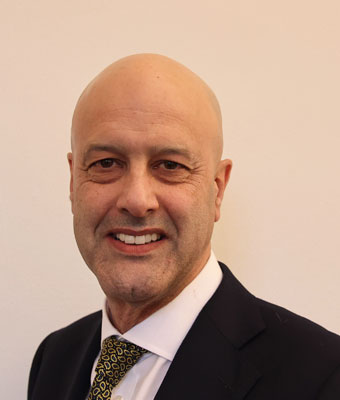
I acknowledge Deputy O'Reilly's loss and the issue she raised as well.
I thank Deputy Daly.
I want to discuss a matter of profound importance for women and families across the west, namely the ongoing failure to fully implement the recommendations of the 2018 Walker report into maternity services at Portiuncula University Hospital. I acknowledge the families who have suffered devastating outcomes. Their experiences must be acknowledged. I also recognise that the midwives, doctors, nurses and other health staff who work in the unit under extraordinary pressure in an organisationally dysfunctional system. This discussion is not about blame, it is about governance, accountability and leadership.
On the floor of the Dáil two weeks ago, the Minister for Health informed me that the Walker report was implemented and that HIQA had reviewed it in 2019. Walker was all about clear governance, modern infrastructure, robust communications and continuous training, yet seven years later many of those recommendations remain unfulfilled. I spoke to people at the highest level in the HSE and I have also looked to see what HIQA report the Minister referred to. There was a HIQA review in 2019 but it was part of a normal, natural audit of all maternity units in that year. To my knowledge, there has not been a specific HIQA review of the implementation of the Walker report of 2018.
The non-implementation of the Walker report was also confirmed to me at the health committee three weeks ago by the CEO of the HSE, Mr. Bernard Gloster, who said that it was patently clear, given the points I raised with him about the deficiencies in the management of the maternity unit at Portiuncula hospital, that the Walker report had not been implemented. There has been some rowing back from that position, and I am now being told that the Walker report was implemented but was not sustained. I am really confused, as are the people in Ballinasloe, east Galway and Roscommon and in the wider region Portiuncula maternity unit serves. All of the same issues arise again, such as staffing and consultant staffing. We were promised following the Walker report that there would be seven obstetricians but at no given time in the intervening period were there even four obstetricians. There were three full-time obstetricians sharing on-call care. There was one on managed sick leave and one on managed leave over that period.
Issues around infrastructure, having a gynaecological theatre on the labour ward, training such as cardiotocography, CTG, which is basic training, and ongoing training for staff. All of these issues were identified in the Walker report and again identified in 2025 by the Coulter-Smith report. We have to recognise that there are 12 cases under review by Coulter-Smith and that he has reported in seven of those reviews. I will await the outcome of the other five reviews.
Is the clinical leadership that was supposed to implement the Walker report the same one that is going to lead us out of this? There was a policy under Walker of one hospital on two sites. That was discarded in July 2024. No good reason was given as to why that joint governance was discarded. I want to know why it was discarded, particularly as the idea was good. There was no full commitment to it. The associate clinical director was to come from Galway on three days one week and two days another week for six hours on alternate weeks. That never happened because the work was not backfilled in Galway so they could not commit to it. That was not the implementation of the Walker report.
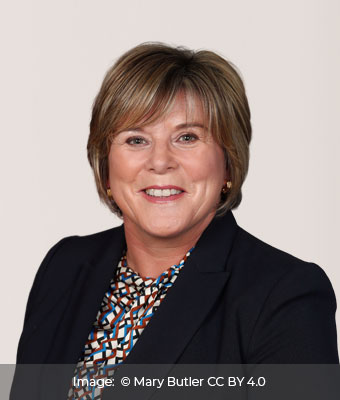
I thank the Deputy for raising this important issue. I welcome the opportunity to discuss the delivery of maternity services at Portiuncula University Hospital. There are 12 external reviews related to maternity care at Portiuncula. Seven of these reviews have now been completed. I understand the very natural worry that developments in Portiuncula may be causing for many women and families who attend or who had planned to attend for Portiuncula maternity hospital. I also acknowledge and offer support to those women who may have had devastating outcomes as a result of their care. I am very proud of having rolled out perinatal mental health support across all 19 maternity hospitals over the last six years. These perinatal mental health supports are very important especially for first-time mothers, mothers who might be who might be nervous, mothers who might have mental health conditions and women who just might have anxiety. It is really important for them to be aware that those supports are there.
In January 2025, a highly experienced external management team was put in place to oversee and manage maternity services in Portiuncula. The team reports directly to the HSE west and north-west regional management and is responsible for managing and supporting all aspects of maternity, gynaecology and neonatal services at Portiuncula. This team will continue to oversee the work and services provided at the hospital. The maternity unit at Portiuncula is being fully supported in this regard.
The safety and quality of our maternity services are priorities. The steps that are being taken to support the unit are to ensure the safety of all women attending maternity services across the region. The HSE has advised that the work to implement recommendations arising from the reviews is in progress through the Portiuncula external management team and the regional women’s and children’s managed clinical and academic network.
An implementation team has been established to ensure the recommendations arising from all reviews are followed and to progress any changes required over the coming months. There are currently 52 recommendations, arising from the seven reviews completed to date. I take on board what the Deputy said about the 2018 Walker report. Some of them may be implemented but not sustained. He is quite right in saying this is all about governance and accountability. This is not a blame game. This is to support the staff who are supporting women and girls every day of the week to deliver their babies safely.
The implementation team will also oversee the transfer of care for women with higher risk pregnancies from Portiuncula to University Hospital Galway or the hospital of their choice. This is not a new approach. It is in line with the well-established pathways in place for the transfer of care of complex or higher risk pregnancies within the regional maternity network. This approach is being broadened to include women with a wider range of clinical factors known to contribute to higher risk pregnancies. The HSE has communicated this to the women and families booked at Portiuncula, while GPs have also been advised and may refer women to Portiuncula University Hospital for assessment of the appropriate pathway of care.
These changes mean that women in rural communities who previously attended Portiuncula may now need to travel to Galway, or another unit of their choice for their maternity care. This may result in additional travel demands for expectant mothers and their families. The HSE west and north-west, through the work of the implementation team, is considering additional supports to assist women affected to ensure a seamless transfer of care for women identified as having a higher risk pregnancy.
I thank the Minister of State for her answer. I will deal quickly with the transfer. On the transfer of high-risk cases, there was already a pre-existing system for women who had underlying medical conditions to be transferred either to Galway or to Dublin. The initial suggestion was that all women with diabetes, gestational diabetes or pre-existing diabetes would be transferred. That is not happening now because there is no capacity in UHG. We are either implementing this policy on the basis of safety or we are applying it on the basis of capacity.
The Minister of State raised the issue about women having to travel to Galway. The women who will be most affected by this are the women with the least resources, the women who cannot travel, the women with the least education. There are pockets of severe deprivation around Ballinasloe and the east Galway and south Roscommon area. We will have these ladies not presenting for antenatal care and presenting late at the delivery unit at Portiuncula because that is the closest place to them. They need accessible high-quality and safe care.
We need the recommendations from the Walker report to be implemented. It is clear to me that all the issues around training, communication and governance were promised but they were incompletely or inconsistently applied. We are in denial here. People have told me that the recommendations from the Walker report were implemented when they patently were not implemented. The people in Ballinasloe deserve the implementation of the recommendations from the Walker report and also the implementation of the recommendations of the Coulter Smith report. What is really important and what we are forgetting here is that even with the movement of maybe 200 high-risk cases to University Hospital Galway, given that the diabetic ladies and ladies who developed diabetes during pregnancy are being maintained in Ballinasloe we need a safe high-quality service in the maternity unit in Ballinasloe.
I implore for this to happen because this is not just about management. There are issues around interprofessional and intra-professional relationships within the department which need to be managed very closely because people have a professional responsibility to collaborate to produce a high-quality service.
I again thank the Deputy for raising this issue. I acknowledge and appreciate his knowledge of the situation on his doorstep. In some cases they may be patients he has worked with previously. I accept his passion about that. He is absolutely right. We have to prioritise patient safety not only at Portiuncula but across all maternity units in Ireland. The Minister and the Department of Health are continuing to work closely with the external management team, the HSE clinical leaders and families to ensure that the necessary improvements are delivered and sustained.
Pregnancy in Ireland is predominantly a safe experience with good outcomes. Ireland compares well with similar countries on international safety metrics. While most women experience straightforward pregnancy and delivery, sometimes things go wrong. When they do, the health service must do all it can to establish what happened and support these women, their babies and their families to the greatest extent possible, and try to prevent it from happening again. I hear what the Deputy said about capacity issues at University Hospital Galway. I also hear what he said that asking women, who might be from a deprived area and whose financial situation might not be good, to make an additional journey for the safety of them and their babies, which is understood, can put them at a financial risk. I will certainly raise that with the Minister.
There has been focused investment in the quality and safety pillar of the national maternity strategy but I know the Deputy is speaking specifically about Portiuncula today. I give him a commitment on the floor the Dáil that I will speak to the Minister today about the issues he has raised. It is a difficult time for many women - people need to go through pregnancy to understand that. People need to be reassured that they will get the best care for them and their babies and I know that is what the staff are trying to do. I acknowledge the issues the Deputy has raised here today.
National Parks and Wildlife Service
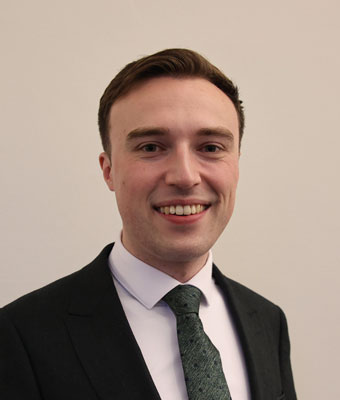
I would like to discuss the need to establish the promised countryside forum for nature. As a Deputy representing a rural constituency, I have a deep understanding of the importance of striking a balance between protecting our countryside and preserving and supporting the economic social and cultural interests and traditions of those who live in, work in and enjoy the countryside. Engaging with, giving voice to and actively listening to rural stakeholders is critical to achieving this balance.
In 2021, a review of the National Parks and Wildlife Service, NPWS, recommended the creation of a nature advisory committee with a wide stakeholder base. That council was not established. The subsequent strategic action plan for the NPWS which was approved by Cabinet agreed to establish a stakeholder forum with an implementation deadline of September 2022. That deadline was not met. The stakeholder forum was never established. Earlier this year the NPWS agreed a memorandum of understanding with the National Association of Regional Game Councils, NARGC, with an establishment deadline of 30 June this year. That deadline was not met. That countryside forum for nature has not yet been established.
There appears to be a recurring pattern here. Commitments are made but they are not delivered on and deadlines continue to slip. Unfortunately, rural communities and stakeholders bear the consequences. It is those communities, those representative bodies and organisations, those local people I have met time and again that I wish to speak up for here today to make sure that their voices are heard and this commitment is met.
I accept there are specific sectoral forums on issues such as nature restoration and sustainable bird hunting.
However, there is no single overarching forum whereby rural stakeholders - not just game hunters but also farming groups, rural sports groups, conservation groups and environmental NGOs - can sit around the same table with the NPWS to discuss a national policy approach to conserving nature, wildlife and the habitats that make up rural Ireland's countryside, while keeping balance with the rights, traditions and interests of the people who call that countryside their home, workplace and haven. The Government has approved the establishment of this forum, possibly for a third time now. The NPWS has signed a memorandum of understanding with the NARGC committing to its creation. Rural Ireland, including the people I represent in rural Ireland, and these groups are waiting for the forum to become operational. There is no excuse for any further delay at this stage and there is certainly no excuse for missing a third forum to which the Government has committed.
I ask for update on when the first meeting will happen and request that progress be made immediately. In particular, I ask for a date for the first forum meeting.
I thank the Deputy for raising this important issue. I am responding on behalf of the Minister for Housing, Local Government and Heritage, Deputy Browne, and the Minister of State, Deputy Christopher O'Sullivan.
The NPWS is committed to strengthening its engagement with all stakeholders and, accordingly, has established a number of fora through which the Minister of State and his officials meet stakeholders. In addition, there are multiple informal contacts and discussions that happen on a regular basis.
The sustainable hunting of wild birds stakeholder forum was established in 2024 and has met on several occasions. The forum comprises a wide range of stakeholders, including the NARGC. Stakeholders are also involved in various fora relating to the development of the nature restoration plan. The Minister of State values the work carried out by the NARGC, and he and his officials hold meetings with representatives from that organisation on a regular basis. The NPWS also engages regularly with farming representatives in the designated area monitoring committee. While the NPWS had committed to establishing a wider stakeholder forum, officials are unable to progress this at this time due to other priorities, including an inordinately large number of judicial reviews of aspects of planning, nature conservation and its work. NPWS staff participate in multiple interagency and sectoral committees and are active in myriad stakeholder engagements, including with the NARGC.
The Minister of State welcomes the opportunity to confirm to the House the Government’s continuing commitment to nature, the countryside, and the broader biodiversity agenda. Members will be aware that, in the context of budget 2026, the combined operating, capital and current allocation for the NPWS exceeded €100 million for the first time in the service's history. This figure is not merely symbolic. It represents a tangible investment in the protection and restoration of our natural heritage and underscores the Government’s recognition that biodiversity and a healthy countryside are essential to our national well-being and our economic and social future.
Over the past five years, the Government has supported a range of initiatives to strengthen engagement with citizens and communities on nature and heritage issues. These initiatives include the Citizens’ Assembly on Biodiversity Loss, the young people’s assembly on biodiversity loss, a series of annual biodiversity conferences and the annual Heritage Ireland 2030 conference. Right now, we are in the middle of community conversations in relation to the nature restoration law. There is a veritable cascade of committees working with the independent advisory committee in the context of developing our national nature restoration plan. The National Association of Regional Gun Clubs is represented in those key fora. These fora, together with extensive consultation with farming, environmental, community and recreational stakeholders, reflect an unprecedented level of public dialogue and co-operation on the future of Ireland's countryside. One of the many valued participants in that conversation is the NARGC, which, along with a myriad of other community and national organisations, plays an important role in the stewardship of rural landscapes. Its input and that of all such organisations is both recognised and appreciated. The Minister of State wants to be clear that he is committed to ensuring that all stakeholders have the opportunity to engage constructively with the NPWS.
I thank the Minister of State, Deputy Collins, for taking this matter on behalf of the Minister of State, Deputy O'Sullivan. I appreciate that this is not directly his departmental area but I must express my concern at the initial response. In 2021, the nature advisory committee was committed to but not established. In 2022, the stakeholder forum was committed to but not established and I am worrying now, based on the reply, that we are seeing a third forum being promised but not being established and another group of organisations in rural Ireland being let down. We still do not have a clear commitment or a date for the establishment of the countryside forum for nature. Rural communities have been waiting for years for a forum where stakeholders, including farmers, rural sports groups, and conservation organisations, can come together to discuss policy on nature, wildlife and habitats in a balanced and constructive way. While progress has been promised on multiple occasions, deadlines have slipped and I am worried that we are about to see more deadlines slipping.
The NPWS has signed a memorandum of understanding and I cannot comprehend how it can do that, commit to a date for a meeting to take place and then turn around, mere months after missing that date, and say that it is too busy to do it. How does the NPWS have the authority to sign something, commit to it and say to representative bodies that it is going to do something, and then turn around and say it is too busy with other things, has too many other commitments and cannot make it happen? A commitment has been made to the NARGC, a very good body that wants to work with the Government and the NPWS and other State agencies for the betterment of rural Ireland in the context of conservation activities. There are other groups that want to be involved too, in the one room, informing policy on a very important area for the people whom I represent. I ask the Minister of State to bring my concern back to the NPWS and the Minister of State and make it very clear to them how disappointed I am, on behalf of these groups, that they are possibly being let down again.
Since taking office, the Minister of State, Deputy O’Sullivan, has been acutely conscious of the extensive engagement that has taken place with the NARGC, particularly in the context of the wild birds forum. At the same time, he must acknowledge that the NPWS operates with finite resources and that its executive and ecological capacity is already under significant pressure. The service faces a challenging and demanding agenda. It is responsible for the drafting and delivery of Ireland's nature restoration plan; the management of over 90 sites in State ownership; compliance and oversight across more than 600 Natura 2000 sites; the processing of over 11,000 permits and licences each year; statutory consultation on planning and development proposals; international compliance with a range of binding instruments; and 5 million visitors per annum to its sites. All of this represents a substantial and complex workload. Moreover, the upcoming EU Presidency will place additional demands on the same teams and key personnel.
In that context, the Minister of State has asked that a review be undertaken of all existing memoranda of understanding and the commitments arising from them. Specifically with regard to the MoU with the NARGC and in light of the current workload and overlapping responsibilities, he does not now believe it would be feasible to convene the cited forum before 2026 and certainly not before the work of the wild birds forum is concluded as he does not have the resources or the capacity to service two fora that would ostensibly cover the same subject area at the same time. This is not a reflection of any lack of value placed on that engagement. Rather, it is a practical response to the scale of the service’s current obligations and the need to ensure that all sectors receive fair and balanced attention. The Minister of State must also be mindful of the legal context in which these interactions occur and of the advice available to his Department in that regard.
Special Educational Needs
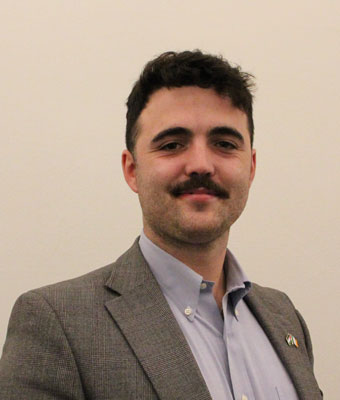
Today, my constituency colleague, Deputy Cian O'Callaghan, and I are speaking on behalf of a school that we both visited with the Minister earlier in the year. I hope the staff and children who are watching this debate in the school today are having a lovely morning. At present, Stapolin Educate Together National School has two autism classes and one developmental language disorder, DLD, class.
Despite this, there are currently multiple children in mainstream classes with eligibility letters for placement in autism classes and waiting lists of around 50 children still seeking places. My colleagues and I across Dublin Bay North are hearing this consistently. I know this is not the Minister of State's responsibility, but I hope he relays this to the other Ministers.
In light of this demand the school is ready and eager to open two additional autism classes. We visited with the Minister of State. He was blown away by the resources and the resourcefulness of the staff and SNAs as they help children develop successfully. I commend Deputy O'Callaghan on the work he has done with the school before I entered this House.
Its autism classes are only in their third year and yet in that short time they have built a great model of excellence. My main asks on behalf of the school are for the Minister to sanction two additional autism classes for the 2026-2027 school year to meet demand and to ensure that with its proven capacity and clear success it is prioritised along with other schools when allocating special classes. I also ask that the Minister renews the SENO guidance and decision-making to ensure recommendations are based on children's assessed needs rather than absence of available places.

I thank Deputy Heneghan for his contribution. I also want to acknowledge that the Minister of State, Deputy Moynihan, visited the school - Stapolin Educate Together National School - a few months ago. The Government has said time and again that every child that needs an appropriate school place should have one. Stapolin Educate Together National School has asked to open two additional autism classes. There is huge demand for places in autism classes and here we have a school that is offering to open two more classes. Suitable space is available on the school site for the modular units required. There is experienced staff in the school who can support the establishment of two additional classes and the school is willing and able to meeting the need in the area.
There is substantial need. There are eight children in the mainstream classes who have been issued eligibility letters for autism class placement. In addition, the school has a waiting list of over 50 children looking for a suitable place. All that is required is approval.
No immediate action is being taken to progress the provision of these two much-needed additional classes. Why not? This is urgent. It requires action and approval and requires them now. Why is the provision of these two much-needed classes being held up? When will approval be granted? Will the Minister, Deputy McEntee, meet with the school principal who has requested this?
The National Council for Special Education, NCSE, has told the school that priority is being given to schools that do not yet have any special classes. That is a laudable aim. However, given the level of need there is why can that objective and the provision of additional classes where there is the demand, need and capacity not be provided at the same time? Why not build on the very successful provision of autism classes that are already in the school?
The Government is committed to the provision of additional special places for children with special educational needs. As the Deputies know, the school referred to by them has three special classes, two dedicated for children with autism and one for children with a developmental language disorder or speech sound disorder.
The school is to be commended on its proactiveness and willingness to open further special classes to support its community. Indeed, the hard work and dedication to special education was evident when the Minister of State, Deputy Moynihan, visited the school earlier this year with the Deputies.
Budget 2026 secured funding for 3,000 new specialist places and the NCSE is currently examining where these places are best located for the 2026-2027 school year. In County Dublin, 705 special classes are now in operation providing capacity for over 4,200 students. This includes 103 new special classes for this school year. There are also 42 special schools in Dublin with approximately 2,700 students enrolled. Two of the five new special schools being established for the 2025-2026 school year are located in Lucan and Belmayne.
The NCSE will have a clear picture of local demand for specialist places for the 2026-2027 school year after it reviews and assesses all of the information which has been provided through the parents notification process which closed on 1 October.
The NCSE is also engaging directly with schools' boards of management in relation to the opening of new special classes. This engagement and earlier scrutiny of information means that the NCSE is on track to sanction the majority of new classes for the 2026-2027 school year by 31 December this year, four months earlier than in previous years.
In addition, in order to ensure new special classes can open as quickly as possible, the NCSE will continue to prioritise working with medium and larger primary schools that do not already have a special class and have available accommodation to accommodate a new special class. This approach maximises the use of existing space which can be reconfigured efficiently while ensuring that new provision continues to be established. It also increases the number of schools with special classes providing parents with greater choice and reducing the distances that some children are travelling to access a specialist placement. However, as in other years where schools have no available accommodation, particularly at post-primary level, and there is known demand in a local area, the Department will continue to provide additional classroom accommodation to provide necessary places.
This earlier commitment to the sanctioning of special classes combined with the rollout of the common application system pilot are some of the ways this Government is committed to ensuring the burden on parents is alleviated when seeking a specialist placement particularly in high areas of demand such as in Dublin 13.
I assure the Deputies that the Department and the NCSE are committed to ensuring that sufficient special education placements remain available for all children with special educational needs.
Tá sé deas é sin a chloisteáil ach, lena bheith ionraic, we have to really look at what the NCSE says it is doing. It says that it wishes to expand provision to schools that do not yet have special classes.
I commend Minister of State, Deputy Moynihan, for engaging with me on this matter. I know he has a huge body of work but the fact is he is getting through it and did visit four schools in Dublin Bay North. We were lucky to get the Minister of State out and he has responded to a lot of my emails to help them. As I said, when he was there, he was blown away by what the staff were doing to cope with funding.
Both goals can be pursed together. We have a situation where children with eligibility letters are sitting in mainstream classes. The programme for Government says that we want every single child to not only survive but to thrive. We need these key asks to be put in together.
I want to read from correspondence from the school principal. She says:
Our autism classes are now in their third year, and in that short time, we've gained extensive experience in setting them up and supporting our pupils to thrive. The success of our model has been widely recognised with teachers and SNAs from other schools regularly visiting us to observe and learn from our approach. We have developed a reputation as a well-run and highly effective setting, something we are deeply proud of.
We should all be proud of that. That is such a good model to build on. When there is school with that success that is willing to provide the additional classes that are needed, it makes no sense not to grasp that opportunity. The Minister of State said that the school should be commended. It does need a commendation. It needs the Government to act on this. This is an area with a huge amount of new residential accommodation built over the past number of years. There is also a huge number of families with young children. It is a thriving area with a massive need. We need the Minister to act on this now. Will the Minister of State ask the Minister, Deputy McEntee, to meet with the school principal? Will he pass that request on?
I thank the Deputies for raising this question and giving me an opportunity to reassure the House that the Department of Education and Youth and the NCSE are committed to ensuring that all children can access an education suitable to their needs. The Department of Education and Youth is committed to engaging intensely with the NCSE in relation to forward planning for new special provision to ensure every child has a place in an educational setting best fitting their educational need. It is important to remember that as we do this, our focus remains in keeping with policy on an inclusive education which promotes that children will be supported to receive an education in the most inclusive setting possible.
Of course, where demand is identified for special education classes, this will be sanctioned by the NCSE and established in schools within local areas. I accept that it may not always be possible to sanction these classes in preferred schools. It is important that classes be distributed fairly across schools in areas. This ensures inclusion practices continue in as many schools as possible and ensures our provision continues to expand evenly across diverse schools.
The NCSE continues to examine the information gathered through the parents’ notifying system and match this demand to appropriate schools in local areas. It is envisioned that the location of the majority of special classes will be sanctioned by December of this year, four months earlier than in previous years. Parents will therefore be able to apply for specialist places much earlier than in previous years. I am aware that the Minister, Deputy McEntee, and the Minister of State, Deputy Moynihan, continue to meet NCSE and senior Department of Education and Youth officials weekly to discuss the progress being made in providing further special classes for the next school year, 2026 to 2027.
Revenue Commissioners
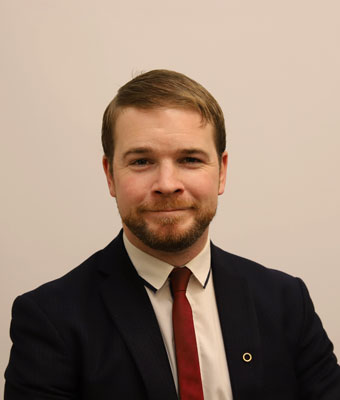
The Minister of State will be aware that, in October 2023, the MV Matthew was intercepted and seized. There was €157 million worth of cocaine on board. It was an extraordinary Garda operation and great credit is due to all the gardaí and others involved. However, the people of Passage West have had to put up with the very large vessel ever since. It is about 200 m in length and has been docked in Cork Harbour since its seizure.
Local councillor Eoghan Fahy and I have raised this with the Government and also the Revenue Commissioners. We were informed initially that the vessel was required for evidence, that it was seized under the provisions of the Customs Act 2015 and that it remained under the care and management of the Revenue Commissioners. When the court proceedings concluded, eight men were convicted. Subsequently, in September 2024, which is 11 months ago at this stage, it was advised that the vessel could be removed. Unfortunately, it is still there.
This is a massive boat. It is 200 m long. It regularly has to be towed from one side of the harbour to the other. Three or four times per month, it must be brought from Marino Point across to the docks at Passage West, which is a residential town. This has created significant issues with noise, particularly in the Church Hill area of Passage West. There have been issues with smells that come and go. The boat is towed back and forth regularly, with significant implications for the people of Passage West in terms of noise, nuisance and so on. This has been dragging on for some time. The people of Passage West have been quite patient.
The other element of this is the cost involved. It has cost some €10 million to date. Every time the vessel has to be towed back and forth across the harbour, it represents an additional cost in terms of crew, equipment and so on. The costs are adding up and the people on the ground in Passage West are asking me and Councillor Fahy when the ship will be moved on. The court case ended almost a year ago but the boat is still towering over the town, with all the noise implications and so on. When will we see it removed? What steps have been taken to date to see it removed, and what are the outstanding obstacles? People have been patient enough and understood there was a court case going on. That case has now concluded and the vessel needs to be removed. The people of Passage West need to be in a position to get on with life and get past this.
I thank the Deputy. I am advised by the Revenue Commissioners that, following the MV Matthew seizure and forfeiture, immediate steps were taken to prepare for its disposal. In November 2023, initial consultations commenced with a shipping broker with a view to marketing the vessel for sale. In December 2023, the Revenue Commissioners were advised by the Office of the Director of Public Prosecutions that disposal could not proceed as the vessel was required for evidence in the associated criminal trial. On 2 November 2024, the Special Criminal Court authorised the release of the MV Matthew and a shipping broker was then formally engaged by the Revenue Commissioners to market the vessel. The bidding process concluded in quarter 1 of 2025, when a preferred bidder was identified. The Revenue Commissioners continue to engage with the preferred bidder’s representative. There are significant regulatory and legal obligations that must be fulfilled in order to finalise the disposal of the MV Matthew and facilitate its removal from Cork Harbour.
Since March 2025, the Revenue Commissioners have been actively engaging with the vessel’s flag state, Panama, to ensure these regulatory requirements are satisfied. However, the manner in which regulatory processes were conducted by the previous owner has created certain difficulties and delays in Revenue’s being in a position to make progress on the disposal. Following engagement between the Revenue Commissioners, the Department of Foreign Affairs and Trade and Panamanian officials, progress has been made in addressing some of these difficulties, including the registration of Revenue’s ownership of the vessel with the flag state, which was necessary to facilitate Revenue's disposal of the vessel. Accordingly, it is anticipated that progress can now be made on the disposal process. However, as matters stand, there remain certain regulatory and port State control matters to be addressed. The Revenue Commissioners are engaging with the relevant State agencies to progress these matters. As such, it is not possible to give the Deputy a firm timeline for the disposal and departure of the vessel at this point. However, the Revenue Commissioners are considering all options, including the recycling of the vessel, so that the disposal and removal can proceed in the most expedient manner.
People will be frustrated by that response. People have been patient enough already about this. As I read it, we have a preferred bidder who remains interested and who is continuing to engage with the Revenue Commissioners. The issue with flagging has been resolved. Significant progress has been made in that regard.
The Minister of State said certain regulatory and port state control matters had to be addressed. That could mean anything. We are no clearer about the actual obstacles and precisely how they will be overcome. While it is not possible to give a firm timeline, even a general sense of one would help. People in Passage West, Monkstown and the surrounding areas, and indeed Cobh and Rushbrooke, which are on the far side of the harbour, are worried that this could drag on and on.
We do not really have any sense of when this will be concluded, and that is not good enough at all. I appreciate that it might not be possible to give a calendar date. Could we have a vague sense of whether this will be dealt with in the next couple of months, in the next year or even later? The vessel is a significant nuisance. Every time it must be towed, which is three or four times per month, there are various implications, including noise.
The cost has to be considered too. Revenue has stated this is in excess of €10 million. The vast bulk of this, amounting to €8 million to €9 million, is associated with crewing and maintenance. Every day of every week the vessel sits in Passage West Harbour waiting to be disposed of costs the State a significant amount of money – money that could be better spent on other things. People in Passage West are probably thinking about whether it could be spent on housing or health services. Progress needs to be made. There is a cost to the State and a significant nuisance. A firm timeline or specific calendar date is one thing but it is frustrating to see no timeline at all has been given. Could the Minster of State give me greater insight, either here or in writing, into the specific regulatory issues outstanding? Could we be given any sense of a timeline? It is not good enough to have none.
I cannot give the Deputy any sense of the timeline. There is no better organisation within the public service than the Revenue Commissioners in terms of efficiency and the expediency of the work done. I believe the Deputy would agree with that.
It its fairly clearly implied in much of the information the Revenue Commissioners have supplied to me that there are circumstances outside our control. The Irish Revenue Commissioners cannot direct the Panamanian authorities to move any quicker or at the pace desired.
The questions Deputy Ó Laoghaire raises are fair. Both he and I have a channel available to us where we can communicate with the Revenue Commissioners. A straightforward question directly from the Deputy to the chairman of the Revenue Commissioners would probably elicit a reply. I would be interested in it myself. I take onboard the concern the Deputy raises on behalf of his constituency and the communities impacted by this. It is going on a while. However, I would not like the message to go out that Revenue is dragging its heels in relation to this because it is an extremely efficient organisation, as many people know.