Departmental Meetings
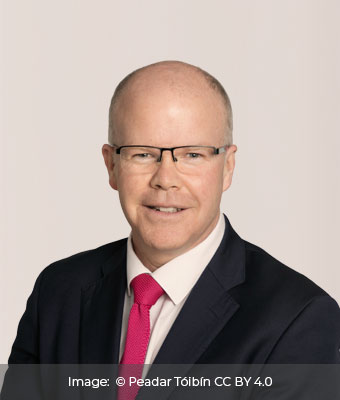
7. Deputy Peadar Tóibín asked the Tánaiste and Minister for Foreign Affairs and Trade to outline the number of times he has met with the Palestinian ambassador to Ireland since he took office. [37514/25]
The slaughter in Gaza is one of the biggest stains on the international community. The killing of 57,700 people in Gaza is a war crime of massive proportions. It is happening in large part because it is underwritten by the West. It is underwritten by the US and many countries in the European Union. The approach of the West to the war in Ukraine and the war in Palestine could not be more different. Ireland’s approach could also not be more different. Is the refusal of visas for the 33 Palestinian children from the GAA Palestine project not an example of this?
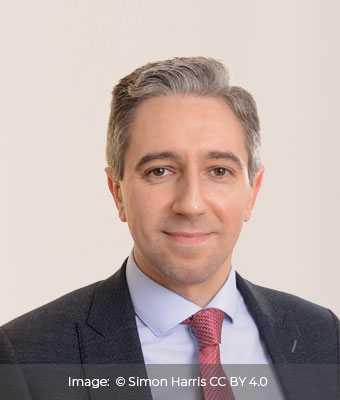
The Deputy was critical of the decision not to grant the visas.
I am critical of that.
Every individual visa application has to be considered on its merit. This country will continue to apply rules in relation to migration and the issuing of visas. The Department of justice will continue to robustly apply rules, particularly when it involves minors and minors travelling without their parents and accompanied by other adults. I will not get into the individual application beyond saying an appeals process is in place. The documentation we require as a State is something we take very seriously.
On 28 May, we marked one year since Ireland announced that it would recognise the State of Palestine. Ireland, together with Spain and Norway, took that decision as an expression of our view that Palestine holds, and should be able to vindicate, the full rights of a state. That made the Palestinian representative a full ambassador in due course. It was a very important moment and the first time we have had an ambassador from Palestine in Ireland. In my capacity as the then Taoiseach, I was delighted to welcome for the first time a Palestinian ambassador to the Taoiseach’s office on 6 June 2024.
Since the announcement of Ireland's decision to recognise Palestine, an exchange of diplomatic notes confirming the establishment of full diplomatic relations was completed on 29 September 2024 and that enabled the Palestinian ambassador to presented her credentials as Palestine's first ambassador to Ireland in December.
Ireland's representative office to the Palestinian Authority maintains close and regular contact with the Palestinian authorities, and senior officials in my Department are also in regular contact with the ambassador and other officials at the embassy of the State of Palestine.
Much of my engagement with the Palestinian authority is at political level with my direct counterparts. I have met and spoken to the President of the Palestinian Authority, Mahmoud Abbas, and the Prime Minister and Minister for Foreign Affairs, Mohammad Mustafa. I keep in contact with them and other interlocutors of the Palestinian Authority.
I agree there should be rules and checks. Nobody has said that more in this Chamber than me probably in recent years. However, I have also said it needs to be compassionate. That is something the Tánaiste has said too and that there should be a strict system and compassionate response. There are dozens of children unaccompanied coming to this country annually at the moment anyway. That is the state of the situation. Look at the two approaches between Ukraine and Palestine. There are 112,189 people from Ukraine here. They do not need a visa. They are considered, for their temporary situation, to be nearly European citizens in what they can do. I understand that. On the other side, we have 33 Palestinian children from the GAA Palestine project. It is very obvious there is a two-tier approach that is materially different. Those two groups have had a completely different material difference in relation to this. Will the Tánaiste formally ask the Minister for justice to intervene on this and see if visas can be provided for these children?
Many visas have been granted to Palestinian nationals, mostly to family members of Irish citizens and residents. We do try to adopt a compassionate approach. I take the Deputy’s point and his credibility on this in the sense of wanting a rules-based migration system. I do not doubt his bona fides on that. I also do not doubt, nor does the Minister for justice or the Government, the good faith of those in organising these events. I do not doubt it at all for a moment. However, many factors must be considered before a visa can be granted. Unfortunately, not all people will be able to demonstrate that they satisfy the conditions to be granted a visa to come to Ireland. A visa is a very important legal document in our migration system. There was a request for 47 people to travel to Ireland from Palestine and 33 of these were children who were not travelling in the company of their parents. These applications were given very careful consideration. A visa officer has to be satisfied that children are travelling in the company of their parents or an appropriate guardian. Additional documents, such as birth certificates or consent letters, are regularly requested to establish the relationship. An appeals process is under way.
While the Tánaiste has been stronger than many of his European counterparts in standing up for the people of Palestine, and I grant that is the case, the European Union is still very cold in how it is dealing with Gaza. Ursula von der Leyen strode the world’s stage stating that she would underwrite the IDF’s actions at the start of this process. I believe she distorted the foreign policy of this country and other European countries when she made those statements. She has been defended by members of the Tánaiste’s party. It is interesting that Mairead McGuinness defended Ursula von der Leyen amid the backlash on Gaza.
She said Ursula von der Leyen should be "judged by her record in the round" and is extremely strong in terms of humanitarian aid and she does not doubt her credentials at all of this topic. Does the Minister agree with the former EU Commissioner?
The Deputy has randomly picked former EU Commissioner. She must have caught his attention in terms of a potential upcoming electoral contest. I agree with the former Commissioner on many issues and I agree with her that the European Union, through the President of the Commission, has provided a significant level of leadership that other parts of the world have not provided. At a time when other parts of the world walked away from UNWRA, the European Commission, European Union and many member states significantly increased their contribution. We have significantly increased funding at EU level to the Palestinian Authority to help it reform. We are working very closely with Arab nations. Foreign policy is set by member states, through the high representative. The European Commission has taken many positive steps from a humanitarian aid point of view. A lack of European unity on Gaza and a way forward is extraordinarily regrettable. People will look back on this period of history and believe Europe could have done more.
EU Meetings
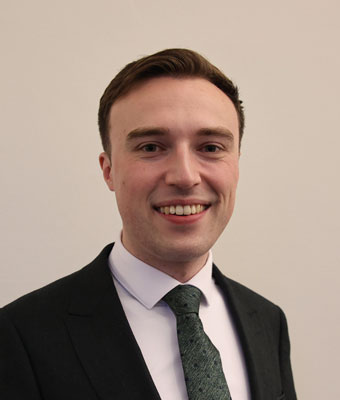
8. Deputy Ryan O'Meara asked the Tánaiste and Minister for Foreign Affairs and Trade if he will report on his meeting with the EU budget Commissioner on 25 June 2025; and if he will make a statement on the matter. [37909/25]
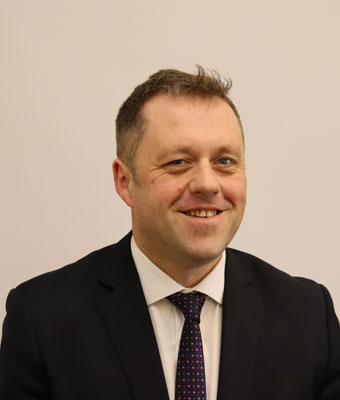
On 25 June, I met the EU Commissioner for Budget, Anti-Fraud and Public Administration, Piotr Serafin, in Brussels. The meeting was an important opportunity to set out Ireland’s preliminary views on the post-2027 multi-annual financial framework, MFF, in advance of the proposal of the Commission being published next Wednesday. During this meeting, I called on the Commissioner to ensure a robustly funded and separate, strong and ring-fenced Common Agricultural Policy, CAP. As a thriving sector of our economy, I stressed the importance of CAP in sustaining jobs and rural communities and strengthening food security across Europe.
In addition, the Commissioner and I discussed the competitiveness fund. I called for a strong focus on digital, connectivity and infrastructure, which are key enablers to improving productivity, innovation and competitiveness. I also reaffirmed the importance of ensuring a separate and ring-fenced horizon programme, which provides for excellent research, transnational collaboration and innovation.
In the context of security and defence, which will play a significant role in the next MFF, I advocated that the Commission take into account the specificities of island and peripheral regions with large maritime areas and subsea infrastructure to protect. I also emphasised the importance of maintaining development and humanitarian assistance in a sustained and long-term manner.
On financing, I highlighted Ireland’s role as a net contributor and long-term beneficiary, and our view that the EU budget must be fit for the future, take into account horizontal principles and values and respond to Europe’s priorities effectively. Overall, the meeting was an first important step for Ireland in setting our ambitions and will be the first of many engagements I will have with the Commissioner in advance of Ireland’s EU Presidency next year, during which the MFF negotiations will be at a critical juncture.
I was interested to hear what the Minister of State said, following the conversation we had in the Chamber yesterday. I mentioned the Gates Foundation. He re-emphasised Ireland's commitment to overseas development. That is good news in a world where the cuts in US aid have been described by aid agencies as irreplaceable and having a significant impact. The security piece is important.
I want the European budget to adapt and develop in such a way that it is able to meet unforeseen circumstances. I understand 90% of the budget is fixed and 10% is discretionary or can be used to respond to particular situations. Was cohesion policy discussed? What were the budget Commissioner's views on that? To what extent does the Minister of State think that increased security expenditure might impact on this?
It is important to briefly set out the process. The Commission will publish the proposal next Wednesday. Ultimately, it is a matter for the leaders to agree this, in conjunction with the European Parliament. Over the next year and A half, starting on 18 July, governments will discuss the Commission's proposal and, in effect, negotiate it. Next Wednesday's proposal should be seen as the first outing. We will have a ministerial meeting two days later and that is the very start of the process. During our Presidency, Ireland will play a key role in those negotiations.
In terms of our external policies, the Minister has outlined the support the EU has given to, for example, Palestine and UNRWA. From Ireland's point of view, we want to make sure that the MFF maintains the EU's leadership in providing development and humanitarian assistance. That was a point I made, whether for war-torn situations or for the likes of Gavi. Regarding defence, we see a continued role for the MFF to build on investments under way to enhance our collective defence, in particular infrastructure, research and development and co-ordinated action.
I thank the Minister of State. Our political grouping at EU level, Renew Europe, has some positive ideas. It proposed reinforced provisions to promote democratic resilience, including something that is close to the heart of this Government, which is funding support for independent media, investigative journalism and fact checking. I understand the Estonians are way ahead of the rest of Europe in dealing with disinformation. We need to pile some significant money into that.
Much of this overlaps with the portfolio of our European Commissioner, Michael McGrath. It is also being proposed by our group that the MFF must position the EU as the world's leading provider of development and climate aid. The Minister of State mentioned that. Is this something he will support? Might it be a factor in our Presidency next year?
During the Presidency Ireland will, in effect, be in charge of the negotiations. We will have to act as an honest broker. It is important that between now and then we get our spoke out, so to speak. That is why met Commissioner Serafin at a very early point and immediately after that meeting I met all of our MEPs, all of whom were invited to be briefed on our position. I am more than happy to do that with the committees on foreign affairs, EU affairs and agriculture. Individual Ministers will also do that. It is also important for Oireachtas committees is to engage with their counterparts in other parliaments. The CAP is the biggest part of the budget in terms of what we receive. It is important that we protect that.
The other issues the Deputy mentioned are important. In terms of our major priorities, we have to work with other member states and that includes the parliaments. I foresee a big role not just for MEPs but also Members of the Dáil on all sides. By and large, the priorities will be supported across the House.
On misinformation and disinformation, I recently had very good engagement with the Hybrid CofE in Finland and encourage the foreign affairs committee to engage with its representatives on best practice in this area.
Overseas Development Aid
9. Deputy Naoise Ó Cearúil asked the Tánaiste and Minister for Foreign Affairs and Trade his plans to ensure sustained annual increases in Ireland's official development assistance to progress towards the UN target of 0.7% of gross national income; and if he will make a statement on the matter. [38250/25]
Ireland has a proud history when it comes to development aid. We are still falling short of the UN target of spending 0.7% of gross national income on overseas aid. The most recent figures show we are at just 0.57%. When domestic supports such as Ukrainian refugee assistance are excluded, the figure drops to 0.41%. How does the Government plan to progress towards the 0.7% target?
I thank the Deputy for the question. Let us be honest: overseas development aid and assistance are coming under attack in many parts of the world. I am very proud that we live in a country where, on a cross-party basis, even during the deepest financial crisis, there has been consistent support for Ireland to continue to support those less fortunate in some of the most deprived and developing parts of the world. The Government remains committed to the targets agreed at the UN to provide 0.7% of gross national income in official development assistance. That commitment was reaffirmed in 2019 in A Better World, Ireland's international development policy. It is also been reaffirmed in our programme for Government.
In recent years, the Government has consistently increased the allocation for the Irish Aid programme managed under Vote 27 of the Department of Foreign Affairs and Trade. This year, it stands at €810.3 million, the highest ever in the 51-year history of the developing programme. Total overseas development assistance and aid for 2024 are currently being finalised, but preliminary figures released by the OECD place Ireland's own overseas develop tied at over €2.2 billion, representing 0.57% of GNP. This includes eligible first-year supports for refugees in Ireland from Ukraine, as the Deputy mentioned.
Excluding these costs, the 2024 overseas development aid percentage was 0.41%, an increase from 0.38% in 2023. It is important to note that the refugee costs eligible for reporting as overseas development aid are finalised retrospectively and that no such funding has been sourced from the allocation for the Irish Aid programme.
Thus it does not come from that programme. This will remain the case in 2025. Total ODA, including contributions to international development from other Departments and Ireland's share of the EU development co-operation budget was in the region of €430 million in 2024.
Obviously individual decisions on how we get there are a matter for the budget, but I am heartened by the fact the programme for Government between the two parties and Independents is clear on that 0.7% commitment.
I acknowledge there is a commitment in the programme for Government and the Tánaiste's commitment to international development aid. The difficulty, as he has outlined, is the global aid landscape has completely changed. The US has made massive cuts to USAID. Over $60 billion has been slashed. UK development aid is down by £6 billion. That has a huge knock-on impact on the likes of the Irish NGOs. Goal, Concern and Trócaire, which is based in my home town of Maynooth, have lost vital funding and have had to freeze recruitment and suspend some operations in countries such as Syria and Sudan. Earlier we heard of the devastating impacts in Sudan and how we as a collective need to speak more openly about Sudan. These programmes run by Irish NGOs are vital in ensuring there are supports for people in the hardest-hit areas of the world.
I fully agree with the Deputy. We have allocated about €7.7 million so far this year to Sudan. We are committing this morning to allocating at least €14 million during the total year, which would bring us in line with what we did last year, because the humanitarian situation there is horrific. The year 2025 will be the fifth consecutive year in which the Government allocation to the Irish Aid programme managed by my Department will have increased and we will publish in September the annual report on our official development assistance to provide a detailed breakdown of the distribution of that aid.
The Deputy is right the very large cuts from other donors are having a real impact. The OECD projects a fall of between 9% and 17% in global ODA in 2025 at a time when the world probably requires it more than ever. This comes on top of a 9% drop in 2024 which marked the first global decline in six years. This projected decline is driven by announced cuts by major providers. France, Germany, the UK and the US all cut their ODA last year for the first time in nearly 30 years.
There is a little bit of light in a dark place from the commitment by the State and the Tánaiste's Department to increase the funding, especially to Sudan. That is an important message people need to hear. I acknowledge as well the Minister of State, Deputy Richmond, made the comment in Sierra Leone earlier in the year that Ireland has a responsibility to show real leadership in how development spending directly impacts people living in poverty. It goes throughout Government and throughout the Tánaiste's Department. As I said, I welcome the increase in funding and the commitment to increase funding, especially to Sudan and the hardest-hit areas globally.
I thank the Deputy for highlighting this. We are monitoring very closely the impact on our work as a country and the impact on NGOs like the ones the Deputy mentioned as a result of the ODA cuts from other countries. We are continuing to assess the immediate and long-term effects with our partners. We are in regular contact with governments in developing countries, with the UN and other multilateral agencies, with our Irish development NGOs and with our international NGOs. We are going to continue this approach and we are trying to provide support to them that is predictable and flexible. We are trying to help those partners adapt as well as possible to what is a rapidly changing context. For example, we are front-loading the payment of our 2025 core funding for trusted UN agencies at their request. However, I must be honest that international aid architecture is facing a very uncertain time. We remain firm in our ODA commitments. It is clearly not feasible for us to fill the major funding gaps but we will continue to lead as we can and to be flexible in the engagement with our partners.
Middle East
10. Deputy Brian Stanley asked the Tánaiste and Minister for Foreign Affairs and Trade whether he and his Department formally submitted an additional complaint to the International Criminal Court regarding the murder of thousands of Palestinian civilians by the Israel Defense Forces while queuing for food; and if he will make a statement on the matter. [37868/25]
My question is on the International Criminal Court. Has Ireland sought to include the slaughter of starving Palestinians queuing for aid in South Africa's case, which we have joined? I welcomed our joining that case.
I thank the Deputy for the question. The International Criminal Court is under attack. We are seeing this very regularly in many parts of the globe. Last week I met the President of the ICC in Dublin and we discussed ways in which Ireland can continue to defend the court from sanctions. The president thanked Ireland for its support to date, but having discussed it with her, frankly I was shocked at the impact sanctions, threats and a threatening environment is having on its work. I intend to raise this with European counterparts. Europe really needs to give consideration to how we can much better support the ICC.
I strongly condemn the continuing Israeli action in Gaza. International humanitarian law makes it very clear civilians must not be targeted in an armed conflict and that the provision of humanitarian relief must be facilitated and protected. I call for a full and independent investigation into the horrific events that have been outlined in these reports.
The International Criminal Court has the jurisdiction to investigate and prosecute any international crimes committed on Palestinian territory, including by Israeli citizens. I checked in advance of taking this question that no further referral is needed for the ICC to be seized of the matter. It already has that jurisdiction to investigate and prosecute. The ICC prosecutor has already confirmed he is conducting an investigation into the escalation of violence in Palestine, including the events of 7 October 2023. To date the ICC has issued three arrest warrants in relation to the situation in Palestine. Two of these warrants are for the Israeli Prime Minister and the former defence minister. The third warrant was for the Hamas commander, who has since been confirmed dead. Ireland supports the investigations of the ICC into all situations before the court, including Palestine. It is vital we allow the court to carry out its important work in an independent and impartial manner. During my meeting with the president of the ICC we discussed ways in which Ireland can continue to defend the court from US sanctions and she thanked Ireland for its support. We will continue to work with like-minded states to support and protect the court.
I thank the Tánaiste for his reply. I gather from it the International Criminal Court has already included this. I ask that the Tánaiste and his diplomatic staff do everything possible to try to ensure that case is pressed. The horror show in Gaza continues. There is bombing of tents with innocent civilians in them as well as of hospitals and schools. The four Gaza Humanitarian Foundation centres have been turned into shooting galleries where people are herded in and shot for fun. If firing tank shells into crowds of starving people is not a war crime, then God almighty in heaven, what is? That is along with water being turned off and everything else.
All this is being done in the name of improving Israeli security. If anybody thinks breeding the resentment that is going to flow from this in the years to come is going to increase Israeli security they are delusional. I ask the Tánaiste to keep pushing that case.
We certainly will. The Deputy is correct. We are seeing people queuing for aid for themselves and their children in a situation of near starvation and being shot at and killed. This is beyond horrific.
Ireland will continue to support the ICC. I need to stress to the House how volatile and dangerous the situation is in terms of the sustainability of the ICC. We have to support the ICC. We have to support international courts. Europe has always had and still has unanimity on that support, or almost unanimity, on the work of the ICC. Financial sanctions are being used to try to get to a point where the ability of the ICC to operate is undermined. That would be despicable and needs to be condemned. From our point of view and the work of the ICC investigations on Palestine, we have made additional voluntary contributions. In 2024 we made a further contribution of €1 million to the ICC prosecutor's trust fund for advanced technology and specialised capacity, another €1 million for the trust fund for victims, €500,000 for the special fund for security and €250,000 for the special fund for witness relocation.
I thank the Tánaiste. I welcome that support for the International Criminal Court. It is important. The international order is under attack, without a doubt. The Tánaiste's reply has caused me more concern due to the feedback he got last week. It is important Ireland and other countries continue to support the International Criminal Court and not allow the United Nations to be undermined, and indeed for the whole organisation to be reformed and improved. The Government has stood out. We need to continue doing that. I ask it to go further, of course. There is going to have to be negotiations and the release of hostages, both Palestinian prisoner hostages and Israeli hostages.
The sooner that happens, and we move to negotiations for a two-state solution, the better.
Will the Tánaiste continue to try to build what I would call a coalition of the willing? Ireland has managed to get some other European countries on board. I ask that he continue that work and, hopefully, other countries in Europe will come on board. We must keep applying as much pressure as possible on Israel to stop the slaughter and the horror show that are Gaza and the West Bank.
We certainly will do that. The beauty of Irish foreign policy is its consistency. We are always in favour of human rights, international law, peace and dialogue, regardless of the parties involved. I often hear Ireland's position being misrepresented, with questions about whether we are pro this country or anti that country. We are pro international law, multilateralism, human rights and humanitarian law. It is easy to speak up and speak out for one's country when its foreign policy is grounded on those principles and is so consistent.
We will continue to work to build alliances at a European level and also work with Arab states. We all hope and pray we arrive at a point where the killing stops, the genocide stops and we can have a discussion about the future of Gaza and how to begin to build a two-state solution. I acknowledge that intense ceasefire talks are under way. We really hope they yield progress in the coming days.
Diplomatic Representation
11. Deputy Tony McCormack asked the Tánaiste and Minister for Foreign Affairs and Trade if he will request the Irish Embassy in Washington DC to engage with the United States Senate Committee on Foreign Relations to ensure its members are not subjected to disinformation in regard to proposed Government legislation; and if he will make a statement on the matter. [38165/25]
What does the Tánaiste consider the best response to the comments by the chair of the United States foreign relations committee that the occupied territories Bill is blatantly antisemitic?
I deplore antisemitism, as does everybody in this House. We should speak with one voice in condemning antisemitism in all its forms. It needs to be called out and we all need to do more, as countries, as the European Union and as a global community, to stamp out antisemitism. That is beyond doubt.
Separate and distinct from what I just said, we will continue, as a country, to speak up for our values as a people in terms of human rights, the work of the ICJ and our feeling of obligation to be in compliance with ICJ advisory opinions. That is where this legislation has come from. It came from the fact that an international court of justice looked at the situation in the illegally occupied territories and has called on countries like Ireland - in my view, it has compelled countries - to act. We would not be true to our values, nor, I believe, to our obligations and the work of the ICJ, if we did not act.
In respect of the United States, we will not respond to bombast but we will continue to respectfully engage. I look forward to engaging with the new US ambassador on a whole range of topics. I will have a substantive meeting with him next week. I will continue to engage with my counterpart, Secretary of State Rubio, and with the commerce secretary and the trade representative. The Taoiseach will continue to engage with the President on all issues to do with our bilateral relationship.
Senior level engagement with the United States is a top priority for me. It is also identified as a priority in the programme for Government, which includes a commitment to "strengthen our political, cultural, economic and trade relationship with the US at all levels, recognising the unique significance of the transatlantic relationship between us". Our embassy in Washington DC, the staff of which I thank for their great work, is continually engaged with a number of committees across Congress, particularly the Senate and House committees that deal with foreign relations. This provides an opportunity to ensure Ireland's foreign policy, including on the Middle East, is well known and, I hope, understood in key Congressional committees.
It is easy to talk when there is agreement on everything. It is harder, but more important, to continue to engage when there are points of difference. We do that in a manner that is respectful of the deep relationship between Ireland and the US.
I welcome and echo the Tánaiste's remarks. The small Jewish community in my constituency of Dublin South-West feels particularly vulnerable at times of protest.
Outside our relationship with the UK and the European Union, we have a unique relationship with the United States. This issue provides an opportunity, not to review it but to move forward with a different kind of dynamic. Some people on the left are the first to protest when members of the Houses of Congress who may hold strong views with which we disagree visit this House. These visits are opportunities to engage and to outline the rationale behind Ireland's stance on particular issues, as opposed to having a blanket protest against their presence in the House. In that engagement with people who hold particular views, it is important that we express to the Americans that it is not the Irish Government that has been accused of genocide, crimes against humanity and weaponising of hunger. Those views must be made known as strongly as possible to our American counterparts.
Absolutely, and that is the difference between the Government and the Opposition. The Taoiseach and I were in the United States, where he had a meeting with President Trump, engaging on behalf of this country, speaking up for our values, putting forward our views and valuing our relationship. The leader of the Opposition took the weekend off. That is the difference. It is easy to turn up when everybody is getting on great. It is more important to turn up when there are legitimate points of disagreement and to articulate our views in that respectful manner. We have a very deep, cultural, economic and person-to-person relationship with the United States of America. That is a good thing. We also have our own policies and that is okay too. We are a democratic, sovereign country and we engage in that respectful manner.
Separately to the formal engagement that happens at the Congressional committees I referenced, our ambassador to the United States, Geraldine Byrne Nason, who is doing an excellent job, regularly meets with members of Congress from both parties. Our consuls general across the US mirror that federal level engagement with state-level Congressional leaders. The ambassador and the team at the embassy regularly engage with the US Administration at a senior level. The embassy is fully aware of the need to ensure timely and accurate information on Ireland's policy priorities in respect of both our foreign and economic policy.
There will be lots of visits from Congressional delegations, as the Deputy rightly noted. Regardless of our political perspectives, we should all take those opportunities to engage.
I echo the Tánaiste's comments regarding our diplomats.
The week of St. Patrick's Day is a particularly important week for Ireland. Is it time to look at mobilising more politicians, outside of just Ministers and Ministers of State, to engage at state House level in the United States, open up a new conversation with American legislators and mobilise our considerable diaspora? There was a time when we had very significant figures on Capitol Hill but that has diminished a little bit. The Cathaoirleach of the Seanad has done a lot of work on creating new connections and networks in the US. Other countries have trade envoys and political envoys who convey particular messages. There are some messages diplomacy cannot deliver but which face-to-face political connections can. I seriously encourage the Tánaiste to look at the possibility, over the lifetime of the Government, of having some politicians act as envoys on behalf of the Government in particular areas and with a particular focus on the US.
I remember the challenges to do with envoys previously. I agree with the Deputy's broader point on the need to empower as many people as possible to engage. I will reflect on his point. The first way we should do that is by continuing to facilitate and host Congressional delegations, known as CODELs, whereby people from both sides of the aisle, Republicans and Democrats, travel to Ireland together. One of the most recent delegations, which visited in April, included three members of the House Committee on Foreign Affairs. They met with a number of Oireachtas Members and Government representatives. We plan to proactively engage with further CODELs due to visit Ireland in the coming months, which will include a number of important interlocutors.
The Deputy is right that we have built up great relationships over the years with senior Irish-American figures. We need to look to the next generation of people who may have an affinity with our country. I acknowledge the work done by the Cathaoirleach of the Seanad. The US is a federation and engaging on a state-by-state basis is very important.
Question No. 12 taken with Written Answers.
Consular Services
13. Deputy Sinéad Gibney asked the Tánaiste and Minister for Foreign Affairs and Trade whether he is aware of the case of a person (details supplied) who is married to an Irish citizen and has been detained arbitrarily in the UAE for the past 17 years; the steps his Department is taking to provide consular assistance and seek his release from arbitrary detention; and if he will make a statement on the matter. [38291/25]
Is the Tánaiste's Department aware of the case of Ryan Cornelius, who is married to an Irish citizen and has been detained arbitrarily in the UAE for the past 17 years? What steps is it taking to provide consular assistance to Mrs. Cornelius and to seek Ryan's release from arbitrary detention?
I thank the Deputy for raising this question and giving me an opportunity to provide some further information about the matter, as I am sure she will provide the same to me. I am aware of this case and have been apprised of the details. I spoke with officials in my Department on the matter as recently as yesterday and have asked them to meet with Mr. Cornelius's wife, family members and representatives to discuss his ongoing detention and explore possible avenues for our engagement.
As the Deputy is aware, the person in question is a citizen of the United Kingdom. In these circumstances – and this is as a matter of law rather than my opinion of the world - it is the UK authorities and their embassy in the United Arab Emirates that hold the consular responsibility in this case. Furthermore, from the perspective of the United Arab Emirates authorities, they are bound to deal only with the authorities of the United Kingdom. That is a reality we are facing. It is my understanding that the British authorities have been and are active on behalf of Mr. Cornelius throughout his detention. I am happy to have a perspective on that too.
Officials in my Department, including at the Embassy of Ireland in Abu Dhabi, are in contact with the UK authorities on this matter. I must emphasise that my officials will be guided by the primary consular protection authority in our actions. Our interest in the case was discussed with a senior UAE minister during her recent visit to Ireland and we will continue to keep this under review. I will not overly comment on individual cases other than to say we will do anything we can that is helpful. Helpful is the important word in this regard. We wish to be helpful. My officials meeting with Mr. Cornelius’s wife, family and representatives will be an important step in exploring that.
I welcome that the Department will meet with Heather, her legal team and her brother-in-law, who is assisting her. When I wrote to the Minister about this matter on 13 May, I received a reply similar to what the Minister has just outlined, that is, that the responsibility for this case lies with the British consulate. Heather is an Irish citizen, as we have established. She is a victim of this injustice and is raising her children alone as a result. She has been separated from her husband, who has been arbitrarily detained for 17 years. She now faces the reality that, at the age of 71, she may experience him dying in prison. We have to help her, as a citizen of this country. Although the technical consular responsibility lies with the UK, we can help her. I do not agree that the UK has supported Heather and her family. They have been very frustrated with their experience. While the family has asserted, as the Minister said, that the Irish Embassy in Abu Dhabi has been helpful, the weight of the Department of foreign affairs needs to be put behind this issue.
I am conscious that I am talking to a family through the prism of the Dáil. I wish to be respectful of that reality. I thank Deputy Gibney for writing to me on this matter. My officials will meet with Heather, the family and Mr. Cornelius's representatives because we want to be helpful. While this might sound like a frustrating thing to say, and I can understand why, this case requires exploration as to what is helpful. I do not wish to do anything, accidentally or otherwise, that would be unhelpful. The UAE has a clear view that it engages with one consular authority. Obviously, law is also clear in that regard. What I can say is that Ireland raised this matter with the UAE minister who visited Ireland recently. Our interest in the case was discussed in some detail with that senior minister during her recent visit to Ireland. The Irish embassy in the UAE continues to engage with the UAE authorities and we are also raising it with the British authorities. I am happy to have a direct word with Deputy Gibney in this regard. I am also happy to ensure the meeting takes place as quickly as possible.
Speed is of the essence because they have reached their wits' end with support from the UK. That is why Heather has turned to Ireland, essentially, for help. At the 93rd session of the UN Working Group on Arbitrary Detention in 2022, it found Ryan Cornelius to be arbitrarily detained. There were massive procedural issues with the original conviction in 2008. There are a huge number of issues to deal with. Meanwhile, Heather remains separated from her husband, raising her children alone. The legal team around her has provided incredible support. While it has kept this case at the top of its agenda and kept the pressure on the UK Government, it has received little response. I am delighted to hear the Tánaiste's Department will meet with Heather to provide her with the support that we can as a country.
We will absolutely do that. I am happy to keep in direct contact with the Deputy on this issue. I cannot imagine how difficult, traumatic and upsetting a time this must be for Heather, her children and the wider Cornelius family. As I said, I do not wish to accidentally endeavour to intervene in a way that is unhelpful. That would be the worst thing to happen. We are very eager to engage with Heather to, in the first instance, discuss her perspective and experience, including her dealings with the UK authorities and the assistance they are legally bound to provide to Mr. Cornelius, which I am told they are providing, and also to explore that to see what assistance may be appropriate or helpful from Irish authorities. I will make sure that happens as quickly as possible.
Question No. 14 taken with Written Answers.
Passport Services
15. Deputy John Paul O'Shea asked the Tánaiste and Minister for Foreign Affairs and Trade if he will consider opening a passport printing office in Cork to assist with printing passports in a timely manner; and if he will make a statement on the matter. [38241/25]
Will the Tánaiste consider opening a passport printing office in Cork to assist with printing passports in a timely manner? I ask him to make a statement on the matter.
I thank my colleague, Deputy O'Shea, for raising this question. I am pleased to say the passport service is delivering passports to our citizens within advertised turnaround times and, in many cases, well before their due date. More than 580,000 passports have been issued this year to date.
The public offices in Dublin and Cork operate an urgent appointment service for renewal applications. The Dublin office offers one-day and four-day turnaround services, while the Cork office offers a four-day turnaround service. Our records show that, between the two locations, just 1.6% of all passport applicants avail of this service. So much is done online now. That is a key point. During 2024, there were an average of 240 appointments available in Cork each year. Throughout that year, however, only 26% of appointments available in Cork were taken up. We have significant spare appointment capacity, which is a good thing. It means the system is working well.
Currently, the passport service operates three passport book printing machines, with two in the main production facility at the Balbriggan campus and the third in the Dublin Passport Office, which is near Leinster House, on Mount Street. The printing and dispatching of passports are a highly automated process in what is an industrial production system. The passport service estimates the initial capital cost of purchasing and installing a new printer and mailing machine to be approximately €5.3 million. In addition to this are costs associated with capital investment and the requirement for expert engineers on site. The running and maintenance costs alone are estimated to be a further €600,000. For these reasons, I need to give further consideration to this because the service is working reasonably well. While I will consider this matter, I am not in a position to commit to it now.
I am pleased to say that we are increasing our presence in Cork. We are increasing the number of people working in the Cork office, with a new premises at Navigation Square in Cork city identified by the Department and the OPW to house the Cork Passport Office. It will have capacity for 140 staff compared with the 115 staff who are currently assigned. We are moving to a bigger office to increase our staffing levels in Cork. That will happen and I am grateful the new premises has now been identified at Navigation Square in Cork city.
As the Tánaiste said, there are two publicly accessible passport offices, one on the South Mall in Cork and one on Mount Street in Dublin, in addition to a passport printing facility in Balbriggan. Of these three buildings, only two print the passports, with one printing facility in Dublin city centre and two printing presses in Balbriggan. There is no such facility in Cork. Given that the number of annual first-time passport applications has more than doubled, and renewal applications have nearly doubled in the period from 2020 to 2024, an additional passport printing service is definitely needed. I note the Tánaiste's comments about the public offices and the passport services in Cork and Dublin operating an urgent appointment service for renewal applications. The Dublin office offers one-day and four-day turnaround services, while the Cork office only offers a four-day service. If the Cork office was able to provide a one-day turnaround service, as well as a printing service, that would be welcome.
No one in this Chamber is going to give out about increased capacity for our passport services. In every constituency office at this point, there is no shortage of calls from people trying to make it on holiday who are absolutely afraid they will not get their passport in time. Obviously, we need to make sure people check their dates and do whatever is needed. We have spoken about this previously.
There is an issue when it comes to streamlining, however. We know the issues that keep occurring around forms and the areas where mistakes are routinely made. They are made by a significant number of people. We need to look at the means by which that happens. At times, when a mistake happens, the clock is almost put back to zero. That is an issue. While people can sign up to be reminded when their passport goes out of action, I spoke to the Tánaiste previously about finding a way to make that streamlined in order that there is an automatic email in the same way as there is when it comes to motor tax and whatever else.
Let me take those suggestions on board.
The passport reform programme is continuing. While we made significant progress on passport delivery, turnaround times and the integrity of the passport, that process continues. I am happy to continue to engage on that.
On Deputy O'Shea's point, what I am saying for the people of Cork is that we are committed to Cork, to our Passport Office and to the new passport office. We will have the new passport office operational by autumn 2026 at 1 Navigation Square in Cork city. In addition to this, we will have the new building, the public office and the space and capacity for more staff. Our commitment to Cork and our presence and footprint in Cork are beyond doubt will be expanded.
My Department is not convinced of the business case for the printing machine but we will continue to keep this under review. I am happy to continue to engage. Perhaps next time I am in Cork, we might visit the passport service together and consider that further.
I thank the Tánaiste. I compliment the passport staff. The many passport service staff I have dealt with in my role as a TD for the Cork North-West constituency have been very helpful at all times. It is great to see that a new passport office in opening in Cork in the autumn and that there will be additional staff in that office. I know this matter has been brought up locally in my county, Cork, by local representative Councillor Rory Cocking in the Midleton local electoral area, and also by my colleague here in the Oireachtas Senator Eileen Lynch. It is a matter of importance to everybody in Cork to see if we can get a service operating that would be of benefit for all the people of Cork. The challenge is that if an urgent appointment is required, the people of Cork and of Munster have to travel to Dublin for a one-day service appointment to get that urgent passport. That is where the critical issue is.
I hear the Deputy. We are continuing to do everything we can to reduce the number of people who ever need to travel for an in-person appointment. I am really encouraged to see that that is less than 2% of people. It is quite incredible. We have spare capacity for the appointments in Cork today. Only about 26% of the slots in Cork are being used. I join with the Deputy in saying that is not by accident but is a testament to the incredible work of the people in the passport service. It is not that long ago that, after the Covid backlog, trying to get a passport was a real challenge for many of our citizens. We often quite rightly criticise some of the reform programmes, which can be quite challenging. The passport reform programme has gone very well. I was in the Balbriggan office and met Deputy O'Reilly there not that long ago. A great team of people is doing really good work there. I thank them for that.
Middle East
16. Deputy Donnchadh Ó Laoghaire asked the Tánaiste and Minister for Foreign Affairs and Trade for an update on his position in relation to the EU-Israel association agreement. [38030/25]
23. Deputy Brian Stanley asked the Tánaiste and Minister for Foreign Affairs and Trade for an update on the steps he has taken, in conjunction with other EU governments, to have the Israel-EU trade arrangements suspended; and if he will make a statement on the matter. [37865/25]
46. Deputy Tom Brabazon asked the Tánaiste and Minister for Foreign Affairs and Trade his assessment of the EU review of the EU-Israel association agreement; and if he will make a statement on the matter. [38058/25]
48. Deputy Peter 'Chap' Cleere asked the Tánaiste and Minister for Foreign Affairs and Trade for an update on his discussions with his EU counterparts on the EU-Israel association agreement. [38053/25]
55. Deputy Sinéad Gibney asked the Tánaiste and Minister for Foreign Affairs and Trade the course of action he plans to take should the suspension of the EU-Israel association agreement continue to be blocked at EU Council level, despite clear evidence of the breach of the human rights provisions of the agreement; and if he will make a statement on the matter. [38292/25]
73. Deputy Barry Ward asked the Tánaiste and Minister for Foreign Affairs and Trade the position regarding the EU-Israel association agreement; the actions our Government is taking in talks with our EU partners related to Israel's compliance with Article 2 of this agreement; and if he will make a statement on the matter. [37246/25]
Question No. 73 relates to the work the Tánaiste is doing relating to the EU-Israel association agreement. I respect hugely the work that we have done in the European Union, that the Tánaiste has done in the European Union and the respect for the rule of law. Given that there is ample evidence to suggest that Israel is outside the terms of that agreement and that it is not respecting the rule of law or humanitarian law, evidence of which we see time after time, as well as the advisory opinion of the ICJ, can we persuade our colleagues in the European Union to take action on the EU-Israel association agreement and actually hold Israel to account with regard to human rights clauses in that agreement?
We all know what we want to see with the EU-Israel association agreement. We know the pieces we want to see here and I see there are questions tabled about the occupied territories Bill. I would like to think we are moving closer to delivering on services. I think everybody who is in this room would also like to think that there will be follow-through by the Tánaiste's Department and the Department of justice on delivering on the GAA Palestine visit. Many people have contacted all of us about that. The EU-Israel association agreement will at least be the first move by the European Union on rightful sanctions against Israel. On that basis, would I be right in believing that that would give the Central Bank the powers to not facilitate the sale of war bonds? Has the Government looked at a means of avoiding our situation whereby we are facilitating the sale of war bonds? I do not need a conversation on the legislation and the arguments we have about that but there has to be a means by which we would remove any possibility of complicity in the brutal ongoing genocide.
I propose to take Questions Nos. 16, 23, 46, 48, 55 and 73 together.
I thank Deputies Ward and Ó Murchú. As the House is aware, as far back as 14 February 2024, the then Taoiseach and the Prime Minister of Spain wrote to the President of the European Commission, requesting an urgent review of whether Israel was compliant with its human rights obligations under the EU-Israel association agreement. It was a lonely place back then, with just Ireland and Spain seeking this review. Further, the letter requested that the Commission propose appropriate measures for the consideration of the Council should it find that Israel is in breach of its obligations. The EU-Israel association agreement provides that the relations between the parties would be based on respect for human rights and democratic principles, which constitute an essential element of the agreement. The agreement says that human rights clauses are an essential element. It is clear and we did not need any review to tell us that Israel is not living up to its human rights obligations. We eventually got 17 and then 19 countries to agree that we should have a review. The review has taken place and has found, quelle surprise, that Israel is in major breach of its human rights obligations and Article 2 of that agreement.
I do not believe this can be a consequence-free zone. The European Union cannot find a party to be in breach and then just ignore that or wish that away. At the last Foreign Affairs Council meeting, we asked Kaja Kallas, the High Representative of the European Union, to engage with the Israeli Government, because if someone is in breach, we have to ask how they intend to take themselves out of breach. We also asked her to engage with the College of Commissioners on what potential actions the European member states may now wish to take. The Taoiseach, the Government of Ireland and I would like to see the agreement suspended in the interim. That would be appropriate. It would require unanimity and I would be misleading the House to suggest that such unanimity would exist or be likely to exist. That is one reason why we are pursuing our own domestic legislation regarding the occupied Palestinian territories as an interim measure. I again reiterate my call and I hope other EU member states that share our views on this issue will follow and produce their own domestic legislation.
I put on record my admiration for the fact that the Tánaiste has put together a coalition among our European colleagues. It is no small feat. Given what he has said and given the inconsistency of the strength of action that Europe has taken on Russia, and the lack of action taken regarding Israel, how can we continue to have faith in the operation of the rule of law if this is not an almost automatic thing? Where the breach has been found, how is unanimity still required when, on the face of it, there are clear breaches that render the agreement inoperable?
The Tánaiste said, "Israel is not living up to its human rights obligations." That is a massive understatement and I think he would acknowledge that himself.
Yes.
There have to be consequences for the genocidal action of the brutal Israeli regime. It must feel those consequences. The Tánaiste has the support of all the people on this island to take action against Israel to ensure that it does feel those consequences. While I am on my feet and have the floor, I implore him to do all that he can to get the kids here to play GAA. I spoke to one of the families that are expecting a child to come and stay with them. Their kids are devastated but, more importantly, the children in Gaza need to get out for a couple of days to play the sport that they love and to be somewhere peaceful and quiet for a couple of days. I urge the Tánaiste to do everything in his power to facilitate these children coming to Ireland. They just want to play Gaelic games with young Irish people. That is all they want to do.
I hear Deputy O'Reilly about that. I acknowledge that people are trying to do something good, in good faith. We all share that view. There are rules in place relating to visas, particularly when it comes to minors, especially when they are not travelling with parents or guardians. An appeals process is in place. I make that point without over-commenting on individual applications.
I agree on the point about consequences and made this point at the Foreign Affairs Council. We cannot find somebody in breach of their human rights obligations in an association agreement and say that is grand, we found them in breach and there is nothing to see here. There have to be consequences. I am checking this at the moment but my understanding is that the suspension of the agreement requires unanimity. Other measures may not require unanimity and that is where Ireland's focus will be in the days ahead.
Ceisteanna Eile - Other Questions
85. Deputy Colm Burke asked the Minister for Rural and Community Development and the Gaeltacht the total amount of funding allocated to the social inclusion and community activation programme in Cork; and if he will make a statement on the matter. [38272/25]
I thank the Deputy. Our Department's social inclusion and community activation programme is our country’s primary social inclusion programme. SICAP is a national programme delivered locally in both rural and urban areas by local development companies. It supports those in the greatest need to address high and persistent levels of deprivation through targeted, locally-led initiatives and approaches. The programme encourages partnerships between people, community organisations, and public sector agencies to address diverse community needs. The current SICAP programme commenced in 2024 and will run until 2028. I thank the Deputy for the work he does in his own area, particularly in Blackpool. He will be aware that there are currently seven local development companies delivering the SICAP programme across the eight contract areas in Cork city, Cork county and the west Cork Islands.
While SICAP is a multi-annual funding programme, it is subject to the annual budgetary Estimates process. The total SICAP funding allocations for last year and this year for the seven companies in Cork came to €8,183,430. The Department has also provided additional funding through SICAP since 2022 to local development companies to support Ukrainian beneficiaries of temporary protection and international protection applicants. A total of €1.91 million has been allocated to the local development companies in Cork for these supports this year and last year. There has been a positive trend of year-on-year increases in SICAP funding in recent years. The Minister and I are committed to ensuring this continues in line with commitments in the programme for Government.
The issue in relation to funding is about people living in disadvantaged communities, supporting people with disabilities and people with a criminal record who, as a result, have difficulty finding employment. I am concerned that there is a lack of structure for people discharged from our prisons in accommodation and in trying to get them back into the system. Will more work be done in that area? It needs to be done first when they are physically in prison, with co-ordination of their plan for when they get out. According to the records, on the north side of Cork city in particular, there are people whose only home in real terms is prison. While it is a small number of people, it is important. We need to do more in that area. Are there proposals to deal with that issue?
I thank the Deputy who is right to raise this matter. He has raised it previously. I have asked the Department to examine this issue. The Irish Examiner recently had an interesting profile of the north side of Cork city. It is an issue I am concerned about. We need to have a serious conversation about it. The Glen Resource Centre has a good programme for the families of those in prison. It has held a summer camp in the past few weeks. I am happy to sit down and discuss this with the Deputy because it is an important matter. Despite all the funding, outreach, activities and programmes, there is an issue we are missing somewhere. I commend the Cork City Partnership on its work, particularly in the Mayfield area. I will work with all involved to ensure we look at supports, in particular for those who have left prison to avoid that revolving door. A lot of work is being done. There are success stories but the Deputy is right to highlight the people being missed by the great programmes.
It is interesting the Minister of State mentioned the Glen Resource Centre. I have been involved going back to 1996 when there was nothing at all there. We got funding from Europe to start the centre. There are now 80 organisations using the centre. It is a fantastic development with fantastic staff. All of the organisations there are working hard, providing a good service for the community. Coming back to the issue, as we come into the winter months, people will offend because they have nowhere to go. The whole idea is they will end up in prison for the winter months. There is a problem in our prisons with inadequate accommodation. We should seriously look at how to help these people when they are in prison. We need to get community groups working with them at an early stage when they come back out. I ask for that issue be worked on over the next 12 to 18 months.
I thank the Deputy for the work he has done. I taught in St. Aidan's Community College; I am familiar with the area. I recognise the issue he has highlighted, despite the great work by a variety of community organisations and mentoring. There is an empowerment piece, training, retraining and engagement between agencies. There are a number of people who re-offend once they leave prison. We have an obligation, duty and responsibility to work with everybody to ensure those people and their families are given that opportunity. If the Deputy has suggestions, I am open to working with everybody to ensure we accomplish the aim he articulated so that we do not miss people. We as a Department and a Government are about tackling many issues in terms of disadvantage and the people in our criminal justice system. There are success stories. People have left prison and made new beginnings. The Glen Resource Centre is an example. I commend the Deputy again on his work on that. It shows that by working with families and children of the men and women involved, we can make it better.
Foras na Gaeilge
84. Deputy Tom Brabazon asked the Minister for Rural and Community Development and the Gaeltacht the engagement his Department has had with Foras na Gaeilge to ensure the group has long-term funding into the future; and if he will make a statement on the matter. [38163/25]
Tá Foras na Gaeilge ag freastal ar phobal na Gaelainne ar fud an oileáin ar fad. Tá an-bhuairt ar na heagrais éagsúla a bhfuil an foras ag freastal orthu nach bhfuil an maoiniú oiriúnach ar fáil dóibh. Cén teagmháil a bhí ag an Aire leis an bhforas go dtí seo chun a chinntiú go mbeadh an maoiniú oiriúnach acu?
Is í mo Roinn féin, thar ceann Rialtas na hÉireann, agus an Roinn Pobal ó Thuaidh thar ceann Fheidhmeannas Thuaisceart Éireann a chómhaoiníonn an Foras Teanga Thuaidh-Theas, ina gcumasctar Foras na Gaeilge agus Gníomhaireacht na hUltaise. Cuireann Rialtas na hÉireann 75% den bhuiséad Fhoras na Gaeilge ar fáil go bliantúil agus tagann an 25% eile ó Fheidhmeannas Thuaisceart Éireann de réir an chaiteachais a comhaontaíodh nuair a bunaíodh an Foras Teanga Thuaidh-Theas.
Déanann Comhairle Aireachta Thuaidh-Theas buiséad na n-institiúidí Thuaidh-Theas, lena n-áirítear an Foras Teanga, a fhaomhadh. Bhí mé i mo chathaoirleach ar chruinniú earnáil an fhoras teanga i mí Aibreáin, inar comhaontaíodh pleananna gnó agus buiséid 2025 d'Fhoras na Gaeilge agus do Ghníomhaireacht na hUltaise. Bhuaileamar freisin le cathaoirligh agus príomhfheidhmeannaigh gach gníomhaireachta ag an gcruinniú sin, tar éis dom bualadh le Foras na Gaeilge níos luaithe i mbliana ar mhaithe le plé a dhéanamh ar na dúshláin mhaoinithe os comhair na heagraíochta.
Áirítear sa mhaoiniú comhaontaithe do 2025 íocaíochtaí aonuaire de luach €630,000 ó Rialtas na hÉireann go Foras na Gaeilge maidir le costas pinsin stairiúla, rud a chuirfear ar chumas Fhoras na Gaeilge na ciorruithe a d'fhógair sé níos luaithe i mbliana a chur ar ceal. Cé gur chuir Rialtas na hÉireann méadú maoinithe ar fáil d'Fhoras na Gaeilge ina bhuiséad do 2025, ní mór cómhaoiniú a bheith ar fáil ón Roinn Pobal ó Thuaidh de réir chóimheas an chomhaontú maoinithe sular féidir borradh ar bith a chur faoi bhuiséad na ngníomhaireachtaí. Ina leith sin, tá athbhreithniú á dhéanamh faoi láthair ag an dá Roinn a thugann urraíocht le socruithe ó thaobh maoinithe a chur ar fáil don Fhoras Teanga. Mar sin féin, ní mór don dá Roinn a thugann urraíocht agus na Ranna airgeadais sna dlínsí teacht ar chomhaontú faoi rudaí áirithe agus a bheith soiléir an féidir é a chur faoi bhráid an CATT.
Is maith é go bhfuil an teagmháil á brú ar aghaidh ag an Aire. Tá buairt ar phobal na Gaelainne agus ar na heagrais éagsúla. Teastaíonn uathu a chinntiú go mbeidh maoiniú oiriúnach ar fáil do na heagrais ar fud an oileáin ar fad. Tuigim go bhfuil an Rialtas ó Dheas sásta a chuid mhaoiniú a chur ar fáil ach gurb amhlaidh go bhfuil an brú ag teacht ón bhFeidhmeannas ó Thuaidh agus nach bhfuil an DUP agus Sinn Féin ag cur a sciar den airgead ar fáil. Is é sin an áit a bhfuil an deacracht. An féidir brú a chur ar an bhFeidhmeannas ó Thuaidh, ar an DUP agus ar Shinn Féin a dhualgais a chomhlíonadh agus tacaíocht a thabhairt don fhoras agus do na heagrais Ghaeilge ar fud an oileáin ar fad?
Ní ghlacaim leis an léamh atá ag an Teachta Ó Muineacháin ar an gceist seo. Baineann an ghéarchéim seo le hAire amháin ón DUP san Fheidhmeannas ó Thuaidh atá ag cur srian ar mhaoiniú. Tá gach iarracht á déanamh ag na páirtithe eile san Fheidhmeannas. Mar a thuigeann an Teachta, ní gnáthRialtas é. Ní oibríonn sé sa tslí chéanna a n-oibríonn an comhrialtas sa dlínse seo.
Caithfimid dul i ngleic leis an bhfadhb seo. Tá sé níos measa ar an bhforas mar gheall ar na ciorruithe a tharla thar na blianta, go háirithe le linn na géarchéime eacnamaíche nach mór deich mbliana ó shin. Tá sé seo ag cur isteach ar líonraí, ar bhailte seirbhíse Gaelainne agus ar scéimeanna Gaelainne fud fad an oileáin seo. Caithfidh an Rialtas dul i ngleic leis agus níos mó maoinithe a chur ar fáil sa tslí chéanna ina gcuirtear ar fáil é do na forais chultúrtha eile atá maoinithe ag an Stát, an Chomhairle Ealaíon mar shampla an-láidir.
Gabhaim buíochas leis an mbeirt Teachta as sin. Tá sé an-tábhachtach dúinn teacht ar réiteach ach ní bheidh sé éasca. Nílim ag cur an mhilleáin ar aon duine go pearsanta. Tá na hoifigigh i mo Roinn ag obair go crua agus go dícheallach le hoifigigh na Roinne sa Tuaisceart. Tá siad fós ag déanamh na hoibre sin. Tá an obair sin ag leanúint ar aghaidh. Tá m'oifigigh ag rá go bhfuil siad ag leanúint ar aghaidh. Táimid ag pleanáil le haghaidh an fhorais don chéad dá bhliain eile. Nílimid ag plé cúrsaí airgeadais amháin ach cúrsaí cothroime freisin. Nílim féin in ann na ratios a athrú. Caithfimid a lán obair a dhéanamh air sin. Taobh amuigh den phróiseas sin, tá ardú mór tugtha d'Fhoras na Gaeilge ó thaobh cúrsaí airgeadais. In 2023, bhí €1.8 milliún ann. In 2025, tá €3.6 milliún ann. Tá an t-airgead sin ag teacht ó Rialtas na hÉireann go dtí an foras le haghaidh na n-eagraíochtaí. Beidh mé ag obair chun airgead breise a fháil sa chéad cháinaisnéis eile toisc go bhfuil sé tábhachtach go gcuidíonn muid agus go seasann muid leis na heagraíochtaí Gaeilge atá ag déanamh sáriarracht i ngach cuid den oileán.
Gabhaim buíochas leis an Aire. Ar an gcéad dul síos, caithfimid díriú isteach ar riachtanais phobail na Gaelainne ar fud an oileáin ar fad. Más rud é nach bhfuil an Feidhmeannas ó Thuaidh ag freastal ar phobal na Gaelainne agus ag cur maoiniú cuí ar fáil - chonaiceamar anuraidh an tslí ina bhfuil sé ábalta maoiniú a chur ar fáil - an féidir an córas a athrú gan teacht salach ar Chomhaontú Aoine an Chéasta? An bhfuil slí eile chun é sin a láimhseáil más rud é nach bhfuil an Feidhmeannas ó Thuaidh in ann freastal ar phobal na Gaelainne? Tá sé fíorthábhachtach gan teacht salach ar Chomhaontú Aoine an Chéasta ach teastaíonn uainn a chinntiú gur féidir freastal ar phobal na Gaelainne ar fud an oileáin ar fad.
Bíonn slite eile ann i gcónaí. Táim ag coimeád súil ghéar ar an bhfadhb seo agus tá mo chuid oifigeach ag obair go dian leis na hoifigigh sa Tuaisceart. Comhoibríonn na hoifigigh sin an-mhaith le chéile. Beimid ag coimeád súile air sin. Caithfimid airgead breise a fháil. Táim chun é sin a phlé leis an Aire caiteachais phoiblí, go háirithe i gcomhthéacs an chéad cháinaisnéis eile. Ag an bpointe seo, i lár mhí Iúil, tá na cainteanna fós ar siúl. Leis na cainteanna seo, táimid ag réiteach don chéad dá bhliain eile le haghaidh Fhoras na Gaeilge. Tuigim an bhuairt atá ar na heagraíochtaí éagsúla. Bhíomar go léir ar an ócáid leis an gconradh an tseachtain seo caite. Tuigimid go léir na deiseanna atá ann don teanga má tá airgead breise le fáil.
Community Development Projects
86. Deputy Erin McGreehan asked the Minister for Rural and Community Development and the Gaeltacht for an update on the community centres investment fund; and if he will make a statement on the matter. [38070/25]
I ask the Minister for an update on the community centres investment fund, and to make a statement on the matter. When will the next round be announced? It is a hugely important and successful scheme so I would like to hear an update.
I thank the Deputy for her question. Community centres are the cornerstone of community life in towns and villages around the country. The Government recognises the very important role these centres play in bringing people together and facilitating community services and events.
Since its establishment in 2022, the community centres investment fund, CCIF, has provided some €110 million for the enhancement and refurbishment of existing community centres and the construction of new centres in locations that were not adequately served. Over €45 million was approved for some 861 community centres nationwide under CCIF 2022. To date, over €43 million of this has been paid to these communities, with 760 of those projects now complete. Last year, funding of €30 million was approved for the construction of 12 new community centres covering nine counties. These projects are now beginning to move forward.
The most recent fund focused again on the refurbishment of existing community facilities. In March of this year, I was delighted to announce over €26 million for 369 community centres under category 2, which provides funding of up to €100,000. This was in addition to 405 projects approved in November with a value of €7.8 million under category 1, which provides funding of up to €25,000. This brings the total amount approved under the 2024 iteration of the fund to over €33 million for in excess of 770 projects nationwide.
I am totally committed, as is the Minister of State, Deputy Buttimer, to delivering further iterations of the fund in the coming years in line with the commitment in the programme for Government. Since the programme for Government was agreed, we have seen first hand the value of these community centres in responding to Storm Éowyn, and the value of the people who volunteer to provide these community centres. We will be looking at future rounds of the CCIF to ensure community centres are at the forefront of any future climate responses.
I thank the Minister for the very positive response. I want to highlight communities like my own community of Mullaghbuoy. Mullaghbuoy Community Centre was built by the community, including my parents and loads of other parents and my neighbours. They went around collecting £1 a week to make sure we had a community facility. It caters for everything from the cake sales to the céilís to making sure we have events for people in our communities. These centres have supported communities all around County Louth from St. Nicholas' GFC and St. Mel's Hall in Drogheda right up to Omeath District Development, which the Minister visited with us a couple of years ago. As he well knows, these had no ability to get funding for community centres. We have now seen huge positive investment, and community centres that were run down and had no money for refurbishment have come to life. We are seeing that investment in people in our communities. I really look forward to having the next iteration to support more community investment, and more communities in County Louth getting more access to the grants.
I want to take this opportunity, when we are discussing community centres, to make a request. This was a question I had in and it was moved to another Department but I am going to try and wedge it in here anyway. It concerns community childcare. When we are talking about community centres, we need to be looking at harnessing those buildings. We had a discussion on Storm Éowyn and the way in which it exposed some of the fragile infrastructure. Now that there is a lens on it and people are looking at that vital infrastructure, the Minister might consider and have community childcare and crèches as part of community centre redevelopment where it is happening. They are located, as Deputy McGreehan has pointed out, at the centre of our communities. They are the beating heart of our communities and are, very often, a very handy place for parents to get to and from. I ask that the Minister would keep community childcare to the forefront when he is discussing and considering community centres and investment.
I agree with the Deputy. Where we can colocate community facilities, it is much better for everybody. It is a more cohesive community. I know the Minister, Deputy Foley, who has responsibility under the building blocks scheme, has also expressed an interest in working with the Minister of State, Deputy Buttimer and myself on this.
To come back to Deputy McGreehan, as I said, over €80 million has been approved for the refurbishment and enhancement of existing community centres since 2022. Last year, we funded over €30 million for 12 new community centres. My priority, at the moment, is to get those 12 projects up and running to get that money drawn down. We have over 770 projects completed and they are already delivering very real benefits, not just during storms. I am sure there are many community centres hosting summer camps as we speak, giving great relief to parents and guardians at this time of year.
That is being done by volunteers in many cases. It shows the value of it all-year-round. In relation to Mullaghbuoy, as the Deputy mentioned, €24,000 was approved in 2022 to improve the kitchen facilities and €19,000 in 2024 for energy security upgrades. Much of the focus has been on upgrading community centres that were built at a certain time when energy costs were not a priority. They now are. We are now assisting community centres to reduce their energy costs.
In relation to bringing childcare and that community and children focus, we have a fantastic facility in Cooley Kickhams which was also a recipient of the grant. We have a preschool there. My children went to it. It works well. It is the heart of the community and it is where our children should be and where they fit best. I absolutely support that.
Library Services
87. Deputy Mark Wall asked the Minister for Rural and Community Development and the Gaeltacht if he will report on the progress of implementing the national public library strategy; the amount of funding allocated to the strategy; the current expenditure on the implementation of strategy; and if he will make a statement on the matter. [38316/25]
We have spoken about libraries before but I want to get an update on the public library strategy and maybe discuss one or two issues around that.
The public library strategy was published in July 2023. It contains 66 actions which will enable our public libraries to become multipurpose social and educational spaces for all members of the community to enjoy. As I said in response to a previous last question, our libraries are now transformed into places of community activity. They are no longer just for reading and studying; there are men's sheds, women's sheds and different varieties of activities going on there. The libraries development committee, comprising representation from members of the Local Government Management Agency, the County and City Management Association, city and county librarians and my Department, is responsible for monitoring the implementation of actions in the strategy.
Significant progress has been made to date on the implementation of the strategy. Examples of actions under way are a national skills for life programme of resources and activities which will see 684 events take place throughout the country this year, and the fact that age-friendly recognition has been achieved in every library. The My Open Library service continues to expand and is now available in 55 branches. A national public libraries open day took place this year and almost 1,350 new members were registered. Our Department continues to work with all the local authorities, the LGMA and all other partners and stakeholders to deliver on the ongoing actions.
I am delighted to support the strategy with continued investment. Since the launch of the strategy two years ago, our Department has approved expenditure of €28.3 million for libraries, including capital funding. A total of €8.3 million has been spent to date. In this context I would like to acknowledge the financial contributions made by local authorities from their own resources. I would also like to note the financial contributions made by various other stakeholders in the delivery of the strategy. The Minister, Deputy Calleary, and I are committed to developing the national library strategy.
I did not come in on Deputy McGreehan's question because I wanted to leave it until this one. I totally believe it is important to have multipurpose facilities. I want to raise an issue that has come up in respect of a couple of locations. We have derelict buildings, old former schools in rural areas. A number of people have come together to form book clubs and heritage and historical societies in those buildings. The query I have relates to that multipurpose function whereby a library or a history club can be developed and make use of that community building. Will the Minister support that? Can we see funding for it? It is a very good use of buildings. We have spoken previously about the major libraries in major towns and the amount of very welcome investment going in there. However, rural communities want to take over buildings, some of which are derelict, and form book clubs or heritage and historical societies. It is a great use of the building and a great fit for the library service as well to link in with those community buildings.
I was contacted recently by a student living in Balbriggan. He told me that he is there every morning 20 minutes before the library opens because there is a massive queue of people. That is a ringing endorsement of the work done by the people working in Balbriggan library and indeed all our libraries - I understand we in north County Dublin are not unique in that respect. Will the Minister give consideration to conducting a small survey, with reference to the previous point made, about utilising any existing capacity that might be within a town to expand that space? It is a really positive and good thing that people are actively trying to get into the library but it is unfortunate that sometimes they are turned away. We are in the middle of a housing crisis and many people live in very overcrowded accommodation. The library has never been more important in our towns, cities and villages. Will the Minister consider doing that survey to see where there might be a need for additional resources or additional capacity?
There is huge merit in those suggestions. I am certainly very open to that. Athy library was mentioned as an example. Birr library is another example. In other parts of the country refurbished buildings are, through a variety of means, being used. Our libraries are now community spaces. They are being used by a variety of people. Our traditional library has changed, thankfully, from a place where you cannot talk, just read, to one where there is an open door for communities. Our Department recognises the importance of public libraries in our communities. It is about community and about people. I recognise the significance of the capital investment. To answer Deputy O'Reilly, I am open to any suggestions because I am a big advocate for libraries. As a member of the local authority, long before I was elected here, I was involved in the Cork city library committee. As the Deputy said, the library is a place for people. It was the only place where people could get educated. They could get books. I remember going to the mobile library as a child and wondering when we would get a library in Bishopstown. I will happily sit down and talk to the Deputies about that. If we can improve the offering for people in communities, why not do it?
I thank the Minister of State for the positive reply. I want to mention two issues he brought up, namely, the age-friendly aspect and sensory rooms. They are important as part of our libraries. I welcome the fact that the Government has recognised that. I urge the Government to continue to invest in sensory rooms in particular. I know from visiting my local library and other libraries the importance of inclusivity. Having a sensory room means libraries are inclusive. Everyone can be part of the community.
The issue of turning rural buildings into mobile libraries facilitating book clubs and history clubs is something the Government should look at. I look forward to working with the Minister and the Minister of State on that because there are so many issues. Multipurpose buildings in communities are bringing a bit of life back into rural Ireland again. It is a positive reply and I look forward to advancing that.
In regard to the sensory room issue, I was in Ennis library last week, where there is a sensory space. There was a mum with two kids in the sensory space and their joy and contemplative ease was phenomenal. I commend the staff in Ennis library on that space. It was breathtaking to see the way in which they were able to take a piece of the library floor area and use it for people with autism or other disabilities to go in and be at ease and at peace. I was struck by that. It is about the age-friendly recognition and that community piece. It is about ensuring that, as part of the strategy, we deliver on the 66 actions. It is also about ensuring that our libraries are the focal point for people and for communities. We are blessed with the staff in our libraries. They are wonderful people. I was struck by the local archive and local history sections in a number of libraries I visited in Waterford and Dungarvan. In my own city of Cork we have a wonderful public library and I hope we can transform the central library on Grand Parade in time. We are very fortunate with our library service. It is a jewel in the crown.
Question No. 88 taken with Written Answers.
Scéimeanna Tacaíochta
89. D'fhiafraigh Deputy Aindrias Moynihan den Aire Forbartha Tuaithe agus Pobail, agus Gaeltachta cén dul chun cinn atá déanta chun scéim na mbóithre áise a chur ar fáil arís; agus an ndéanfaidh sé ráiteas ina thaobh. [38150/25]
Gabhaim buíochas leis an Leas-Cheann Comhairle. Nuair a bhí scéim na mbóithre áise ag feidhmiú cheana féin, bhí sí an-chabhrach do phobal na Gaeltachta. Déanadh athchóiriú ar bhóithre ar fud na nGaeltachtaí. Cén dul chun cinn atá déanta anois chun an scéim sin a oscailt agus a chur ar fáil do phobal na Gaeltachta arís?
Tuigim go mór cé chomh tábhachtach is a bhí scéim na mbóithre áise le haghaidh mhuintir na Gaeltachta. Gabhaim buíochas leis an Teachta as ucht a cheiste fúithi. Mar a bhí luaite sa fhreagra i mí an Mhárta 2025, tá scéim na mbóithre áise curtha ar fionraí le roinnt blianta anuas. Faoin scéim sin, chuirtí airgead ar fáil do na húdaráis áitiúla ar mhaithe le hobair dheisiúcháin a dhéanamh ar bhóithre cáilithe faoi leith sa Ghaeltacht. Idir an dá linn, bhí agus tá maoiniú ar fáil faoin scéim feabhsaithe áitiúil, nó LIS, de chuid mo Roinne chun cabhrú le húdaráis áitiúla obair fheabhsúcháin a dhéanamh ar bhóthair neamhphoiblí agus ar bhóithre nach ndéantar cothabháil poiblí orthu sa ghnáthbhealach. Tuigtear dom go gcaithfidh an bóthar i gceist a bheith ag dul chuig árais chónaithe, talamh feirme nó suíomheanna taitneamhacha ar nós locha, aibhneacha nó tránna. Tá breis eolais le fáil ar shuíomh na Roinne.
Tá geallta sa chlár Rialtais nua go dtabharfar scéim na mbóithre áise ar ais. Níl aon mheicníocht chuige sin oibrithe amach go fóill, áfach. Beidh athbhunú na scéime ag brath, dar ndóigh, ar airgead a bheith curtha ar fáil chuige sin do na blianta amach romhainn trí phróiseas na Meastachán. Tuigfidh an Teachta nach bhfuil an idirbheartaíocht maidir le Meastachán 2026 tosaithe go fóill. Beidh plé ar bun idir na páirtithe leasmhara agus mo Roinn maidir leis an gcur chuige is fearr chun an scéim seo a athbhunú. Tuigim cé chomh tábhachtach do mhuintir na Gaeltachta is atá an scéim sin. Is é an rud is tábhachtaí, áfach, ná go gcabhrófar le bóithre áitiúla sna Gaeltachtaí.
Gabhaim buíochas leis an Aire. Bhí an scéim an-úsáideach i gcomhair phobal na Gaeltachta mar rinneadh athchóiriú ar an chéad píosa den bhóthar ar a raibh siad ag tiomáint ar maidin agus an píosa deireanach sa tráthnóna ar a raibh siad ag taisteal agus iad ag filleadh abhaile. Tá sí dírithe ar bhóithre a bhí fágtha ar leataobh go minic ag an gcomhairle contae de bharr go raibh siad ag díriú ar bhóithre níos gnóthaí.
Tuigim nach mbeidh an scéim tosaithe thar oíche agus go mbeidh roinnt oibre sa chúlra i gceist. Cad iad na céimeanna atá tógtha go dtí seo chun an scéim sin a athoscailt? An bhfuil plé, mar shampla, le hÚdarás na Gaeltachta, le Roinn na Gaeltachta nó le comhairlí contae ar conas a dhéanfaí láimhseáil ar an scéim? Cad iad na céimeanna atá bainte amach go dtí seo cheana féin?
Tá obair bhunúsach déanta ag m’oifigigh sa Roinn. Tá muid ag scrúdú na meicníochta a bheidh muid in ann úsáid chun cuidiú leis na bóithre sin, go háirithe dóibh siúd a bhfuil cónaí orthu ar na bóithre sin nó a úsáideann iad le haghaidh obair feirmeoireachta. Mar a dúirt mé, tá an scéim feabhsaithe áitiúil ann agus tá mé ag cur béim ar an scéim sin chun airgead breise a fháil a thabharfaidh cuidiú breise do na húdaráis áitiúla ina bhfuil ceantar Gaeltachta. Tá muid fós beartaithe ar scéim na mbóithre áise a thabhairt ar ais mar tuigim cé chomh tábhachtach is atá sí ó scéal an Teachta. Tá sé ag cur brú orm. Tá Teachta Pat the Cope Gallagher ag crú brú orm freisin. Tuigim, agus tuigeann an tAire Stáit, an Teachta Buttimer, cé chomh tábhachtach is atá scéim na bóithre áise agus an scéim feabhsaithe áitiúil. Tá muid ag scrúdú na meicníochta is tapa agus éifeachtaí chun cuidiú le daoine agus na bóithre sin a fheabhsú.
Cloisim an méid atá á rá ag an Aire mar gheall ar an scéim feabhsaithe áitiúil, nó LIS, atá ann faoi láthair. Is scéim an-úsáideach í agus cabhraíonn sí le feabhsú bóithre ar fud na tíre. Tá sé fíorthábhachtach, pé dul chun cinn a dhéantar, go mbeidh scéim na mbóithre áise ag feidhmiú go chomhthreomhar leis an LIS agus go mbeidh deis breise ag pobal na Gaeltachta feabhas a chur ar na bóithre, seachas blas Gaeltachta a chur ar an LIS do phobal na Gaeltachta amháin agus go gcaillfidh siad amach ar an scéim eile. Tá sé fíorthábhachtach go mbeidh an dá rogha ar fáil do phobal na Gaeltachta agus gurb amhlaidh go mbeidh buntáiste do dhaoine a bhfuil cónaí orthu sa Ghaeltacht. Mar sin, teastaíonn uaim a chinntiú nach mbeidh scéim na mbóithre áise ag teacht in áit an LIS agus go mbeidh sí ag rith go comhthreomhar léi ionas go mbeidh an dá rogha ar fáil do phobal na Gaeltachta nuair a bheidh an scéim nua ann.
Nuair a thiocfaidh Roinn na Gaeltachta go dtí an Roinn caiteachais phoiblí, is é sin an rud a bheidh muid ag déanamh. Is mian linn go mbeidh deiseanna breise ar fáil do mhuintir na Gaeltachta agus muintir na n-oileán. Tá sé tábhachtach go mbeidh na deiseanna breise sin ar fáil do mhuintir na Gaeltachta amháin agus go mbeidh siad in ann iad a úsáid. Is é an rud is tábhachtaí ná go n-oibríonn muid amach scéim chun tacú agus cuidiú le muintir na Gaeltachta le haghaidh na mbóithre áitiúla a úsáideann siad, mar a dúirt an Teachta, ag tús agus deireadh an lae. Is é an rud is tábhachtaí ná go mbeidh scéim againn le cuidiú leis na daoine sin go díreach agus go tapa, agus go mbeidh an t-airgead ann le haghaidh an bhealaigh sin. Tá mé ag obair ar bhealach tapa chun airgead breise a chur i dtreo mhuintir na Gaeltachta.
Stádas na Gaeilge san Eoraip
90. Deputy Seán Ó Fearghaíl asked the Minister for Rural and Community Development and the Gaeltacht for an update on his Department’s work to promote Irish as an official language of the European Union. [38068/25]
Tá an cheist seo bainteach leis an gcéim shuntasach a bhain muid amach cheana féin ag fáil stádais oifigiúil don Ghaeilge san Aontas Eorpach. Chomh maith leis an nGaeilge a bheith ag feidhmiú laistigh den chóras, an bhféadfadh an tAire a léiriú cén dul chun cinn atá á dhéanamh chun an Ghaeilge a chur chun cinn san Aontas Eorpach?
Tacaíonn mo Roinn le raon tionscnamh chun an Ghaeilge a chur chun cinn mar theanga oibre agus oifigiúil de chuid an Aontais Eorpaigh agus chun a chinntiú go mbeidh soláthar leanúnach de dhaoine leis na cáilíochtaí agus scileanna cuí ar fáil do na seirbhísí teanga lena dtacaítear le húsáid na teanga in institiúidí éagsúla an Aontais Eorpaigh.
Airítear leis seo scéim intéirneachta a reáchtáil i gcomhpháirt leis an gCoimisiún Eorpach, Parlaimint na hEorpa, An Comhairle Eorpach, Coiste na Réigiún, Cúirt Iniúchóirí na hEorpa agus Oifig na bhFoilseachán. Sa scéim seo, tugtar an deis do dhaoine aonair triail a bhaint as saol oibre ar an Mór-Roinn, oiliúint a fháil, feabhas a chur ar a gcuid scileanna chun tabhairt faoi phróiseas earcaíochta iomaíochta agus páirt a ghlacadh sa phobal bríomhar Éireannach agus Gaeilge sa Bhruiséil agus i Lucsamburg. Glactar suas le 12 intéirneach ar feadh tréimhse naoi mí, a thosaíonn gach Deireadh Fómhair. Oibríonn na hintéirnigh seo in aonad Gaeilge mar aistritheoirí, profléitheoirí nó cúntóirí sna hinstitiúidí Eorpacha ábhartha.
Ní annamh go n-ofráiltear conradh lánaimseartha do chuid de na hintéirnigh mar thoradh ar an oiliúint faoin scéim seo. Is ionann an maoiniú bliantúil don scéim intéirneachta seo agus €305,000. Chomh maith leis sin, oibríonn mo Roinn le páirtithe leasmhara chun eolas a scaipeadh faoi deiseanna fostaíochta laistigh d’institiúidí an Aontais Eorpaigh dóibh siúd atá líofa sa Ghaeilge. I gcomhairle leis an gCoimisiún Eorpach, reáchtáiltear seimineár agus ceardlann phraiticiúil gach bliain ina gcuirtear béim ar na deiseanna seo atá dírithe go príomha ar mhic léinn tríú-leibhéil agus céimithe. Tá an chéad seimineár eile le tarlú an Eanáir seo chugainn i mBaile Átha Cliath.
Cuireann mo Roinn maoiniú ar fáil i gcomhair comhdhálacha bliantúla, arna eagrú ag Óstaí na Rí, ina gcuirtear deiseanna fostaíochta san Aontas Eorpach chun cinn do dhlítheangeolaithe, ateangairí agus gairmeacha gaolmhara. Tá an chéad chomhdháil eile le tarlú i mí an Mhárta 2026.
De réir an embassy, táthar den tuairim go bhfuil thart ar 15,000 Éireannach sa Bhruiséil faoi láthair. Is Gaeilgeoirí iad an-chuid acu. Mar shampla, chonaiceamar an clár teilifíse “La Vie sa Bhruiséil” ina léiríodh an pobal beo bríomhar atá inti. Mar sin, lasmuigh den chóras oifigiúil, is léir go bhfuil pobal Gaeilgeoirí ann. An bhfuil iarrachtaí á ndéanamh chun tacú le pobal na Gaeilge lasmuigh den chóras oifigiúil chun go mbeidh, mar shampla, Gaeilge le cloisteáil sa Bhruiséil nó aon áit eile sa tslí céanna is atá an Pholainnis nó aon teanga eile le cloisteáil?
Aontaím go mór leis an Teachta go bhfuil sár-iarracht ar bun, go háirithe le haghaidh na nGaeilgeoirí sa Bhruiséil. Is iontach a fheiceáil, in gach cathair san Eoraip, agus níos faide i gcéin, go bhfuil muintir na Gaeilge beo agus ag úsáid Gaeilge. Go háirithe sa Bhruiséil, tá dream iontach inti atá ag baint a lán úsáide as an nGaeilge. Eagraíonn siad Seachtain na Gaeilge gach Márta sa Bhruiséil agus oibríonn siad leis an bParlaimint agus leis an gCoimisiún. Bhí mé i láthair an tseachtain sin cuid mhaith blianta ó shin nuair a bhí mé i m’Aire Stáit sa Roinn fiontair ag an am.
Níl aon sonraí agam faoin saghas cuidithe. Gheobhaidh mé na sonraí don Teachta. Má táimid in ann oibriú agus cuidiú le haon duine a bhfuil spéis aige nó aici i gcúrsa Gaeilge, go háirithe chun a scileanna Gaeilge a úsáid san Aontas Eorpach, cuideoimid leo. Agus Uachtaránacht na hÉireann ar an Aontas Eorpach ag teacht an bhliain seo chugainn, táimid ag cur béime go mbainfimid úsáid as an nGaeilge i gcomhthéacs na hUachtaránachta.
Céim shuntasach a bhí ann chun an t-aitheantas don Ghaelainn a bhaint amach. Sa bhliain 2005, bhí an chéim ba mhó ann. Thug sé ardú meanman. Bhí foireann mhór ateangairí agus go leor eile ag teastáil chun a chinntiú go bhféadfaí é a chur i bhfeidhm sa chóras sa Bhruiséil. An bhfuil go leor daoine ar fáil? An bhfuil an fhoireann ann? Is dócha go bhfuil an Rialtas in iomaíocht le hateangairí sa tír seo chomh maith. An bhfuil céimeanna á dtógáil chun a chinntiú go mbeidh daoine breise, ateangairí agus aon duine eile atá bainteach leis an gcóras féin ina measc, ar fáil sa Bhruiséil agus sa tír seo?
Is é sin an rud is tábhachtaí faoin gceist seo. Tá dúshláin ann chun iarrthóirí a fháil a bhfuil na scileanna acu chun obair ar chaighdeán teanga an Aontais Eorpaigh. Tá an caighdeán sin tábhachtach. Tá oifigigh i mo Roinn i gcónaí ag obair leis na hinstitiúidí tríú leibhéil ionas go mbeidh na daoine agus na graduates leis na scileanna ann chun na scileanna sin a úsáid. Tá níos mó ná €1 milliún á chaitheamh ar an advanced Irish-language skills initiative ionas go mbeidh daoine réitithe le poist a fháil san Aontas Eorpach, agus go mbeidh na caighdeáin teanga a éilíonn an AE acu agus iad ag fágáil na n-institiúidí tríú leibhéil ina bhfuil an Ghaeilge á múineadh. Is traenáil speisialta í, go háirithe i gcúrsaí dlí agus aistriúcháin mar tá an caighdeán dlí agus aistriúcháin an-ard san AE. Is é sin an fáth go bhfuil an Rialtas ag déanamh na hinfheistíochta sin ionas go mbeidh na scileanna ann chun an Ghaeilge a úsáid.
Enterprise Support Services
91. Deputy Edward Timmins asked the Minister for Rural and Community Development and the Gaeltacht the strategies he has to develop long-term employment in rural Ireland; and if he will make a statement on the matter. [38307/25]
Many people in Ireland commute to work and spend a long time in traffic. Many of these people's jobs are not conducive to working from home. This is a cost in terms of finance, time and family life. Rural employment must be supported. I welcome the successful roll-out of the national broadband plan, which is ahead of schedule and under budget. What strategies do the Minister and his Department have to deliver long-term employment in rural Ireland?
I thank Deputy Timmins for his question. Our Rural Future is the whole-of-government policy for sustainable rural development in Ireland. More than 170 measures are outlined to support sustainable economic and social development and environmental and cultural well-being across all our rural areas. The delivery of these measures is clearly based on a cross-governmental approach, with a range of Departments contributing to their own areas of responsibility.
Supporting employment and careers in rural areas by creating an environment that supports entrepreneurship and enterprise growth in rural areas is a key objective of that policy. In the main, enterprise policy and related commitments contained in Our Rural Future are the responsibility of my colleague, the Minister for Enterprise, Tourism and Employment, Deputy Burke, working together with the relevant agencies under his remit. Significant progress continues to be made in this regard. For example, 64% of the new jobs created by Enterprise Ireland client companies last year were located outside the Dublin region, while 59% of Industrial Development Authority , IDA, investment was in the regional locations.
The role of the regional enterprise plans and local enterprise offices, LEOs, are crucial here also. In 2024, more than 7,000 new jobs were created by LEO supported companies, with 81% of these new jobs in businesses based outside of Dublin. Such interventions at local level, along with those at Údarás na Gaeltachta for muintir na Gaeltachta, are key to ensuring continued economic growth. I look forward to the development of the new round of regional enterprise plans next year.
Within my Department, the LEADER programme also focuses on supporting local economic development, helping to diversify the rural economy and create employment opportunities. Similarly, the delivery of the network of more than 380 connected hubs, supporting remote jobs in rural areas, and significant enhancements to our digital infrastructure, as the Deputy mentioned in his opening remarks, are helping to support rural enterprises and employment.
The programme for Government includes a commitment to publish and implement a new Our Rural Future policy, which will take effect from 2026. Public and stakeholder consultations are already well under way in respect of the new policy. They will continue throughout the summer. I hope to bring a final draft to the committee before the end of this calendar year.
Employment brings life to rural Ireland and helps support our unique culture, including things like the GAA and many other traditions that are part of our culture and such a positive part of our society. In particular, can the Minister look at ways of supporting the economic development sections of our county councils? Some have significant resources but many, including my County Wicklow, have limited resources. We also need to be careful regarding the tourism sector and Airbnbs. Airbnbs bring tourists to parts of Ireland and parts of rural Wicklow that are not on the tourist map. In a recent poll carried out across the country, an average of 93% of Airbnb hosts cannot or will not release their property to long-term letting.
I cannot speak specifically to the Airbnb question. As I said, however, my Department has invested significantly in remote work and remote working facilities. We will be publishing a new national hub strategy, which will include measures to underpin ongoing sustainable development. As we discussed here previously, hubs in 2025 are different from what they were in 2020, and we need to make sure we keep up to date with them.
In terms of the local authority issue, local authorities and the enterprise units are centrally involved in the regional enterprise plans. I know from my former Ministry that there are regional enterprise plans that work extremely well because of proactive local authority involvement. I encourage every local authority to be proactive. I encourage every chief executive to ensure they have a well-resourced economic development unit and in particular that they have a well-resourced LEO. The local enterprise offices right across the country, which are based out of our local authorities, are superb at promoting rural enterprise, working with LEADER and other operations. A good LEO is invaluable to any local authority.
Much of small-town Ireland has a shortage of housing yet no house building. House building would provide valuable employment. Currently, it is not viable to build houses as the cost to build exceeds the selling price. This is never mentioned in discussions on housing. However, it means that much of Ireland has no house building and yet there is a demand. We must look at strategies to allow house building in these areas through increased affordable housing, and reduce the cost of building a house, such as through the development levy waiver and other measures.
I also want to mention pubs, coffee shops and small businesses in rural Ireland. These small businesses provide valuable employment and bring life to our rural communities. We need to reduce their cost base as many are not financially viable and will continue to close, resulting in a loss to the community.
Absolutely, I agree. The cost base of every business is of concern to the Government. With regard to the small rural regionally based builders, we made it very clear that they need to be given support from the banking system to allow them to make the kinds of developments in rural areas the Deputy has spoken about and that we all want to see.
The Minister, Deputy Browne, will be writing to every local authority in the coming weeks to ask them to reopen their development plans to designate more land specifically for housing. That, in turn, will create opportunities for smaller builders. There is a skills challenge, and the Ministers, Deputies Lawless and Browne, are working to address that skills challenge in terms of apprenticeships to ensure we have the skills to support those regionally based builders to build those houses we need.
We are working closely with the hospitality sector but, as I said, the development of things such as 300-odd hubs keep people working in local villages and towns who otherwise would not be able to do so and who can use those facilities for lunch, coffee, etc.
That is an invaluable provision.
Community Development Projects
92. Deputy Thomas Gould asked the Minister for Rural and Community Development and the Gaeltacht for an update on Ballyvolane community centre. [38279/25]
Ballyvolane is a fabulous community. For decades it has been promised a community centre and for decades Government promises have failed to deliver. Will the Minister outline supports and when the community centre will finally be delivered for Ballyvolane?
The community centre investment fund, CCIF, is my Department's primary funding vehicle for new and existing community centres. It was first introduced in 2022 in recognition of the need for a dedicated funding stream to support investment in the hundreds of community facilities that are at the heart of both rural and urban communities.
In Cork, my Department has provided more than €8.9 million for the enhancement and refurbishment of 158 existing community centres in both the city and county. In early 2024, funding of €30 million was approved under CCIF for the construction of 12 new facilities covering nine counties. I can confirm that a project in Cork was successful under this fund, with Rylane community centre being awarded over €1.5 million for the construction of a new facility.
As regards Ballyvolane specifically, I understand that here has not been an application under any iteration of the community centre investment fund for a community centre there. I am committed to delivering further iterations of the fund in line with the commitment in the programme for Government. We are currently negotiating that in the context of the national development plan. This will provide an opportunity for any proposed project in Ballyvolane.
I am happy to work with all the Deputies and Senators from the area around this project, and to explore it further with the Deputy now.
I thank the Minister for his response but, unfortunately, once again there is nothing there for Ballyvolane. He made the point there has been no application. I have been hearing about a community centre in Ballyvolane for decades. I have attended meetings. How was a community centre not given funding or prioritised in all that time? Over 2,000 houses are planned for the Ballyvolane area on top of the hundreds of houses that are there already. How is it possible to build thousands of houses and not put in the infrastructure and resources at the time? Ballyvolane has been identified as an area for potential future population growth and the possibility of a new district centre under the Cork city development plan. Here we are talking about expanding Ballyvolane, building more houses and getting more people to live there and there is nothing for the children or the community. It has to be delivered.
I do not disagree with the Deputy. That is why we have invested in the community centre investment fund and why we have put money aside for new centres, new builds, in communities such as Ballyvolane. Twelve of those have been funded and Rylane in Cork is one, and that is why I hope to have another scheme next year for new builds. I am more than happy to work with the Deputies here and the Minister of State, Deputy Buttimer, on Ballyvolane but the application has to come in. I would put it back on the city council in this case to work with the Oireachtas Members and the local community, most importantly, to get that application together. I am more than happy to work with the Deputy and to keep him updated on the funding that may or may not be available for a scheme for either new builds or refurbishment. As I said, I have approved €30 million already for new centres. We want to build new centres. We had a discussion earlier on the value of community centres and the Deputy’s colleague Deputy O’Reilly highlighted the need for co-location of services such as childcare. That is what we want to do.
A new development is going up in Lahardane with hundreds of homes. There is to be a site there for a specific building for a community centre. You could not swing a cat in it, no disrespect. What we want is a proper community centre delivered for the people of Ballyvolane, for the existing residents and the new residents who will come there. We want to see services provided in the community. I was recently at a meeting with other TDs and councillors from the ward where it was outlined that a scoping exercise was going on. I am asking that when a plan is delivered by Cork City Council and the Ballyvolane community, the Minister and the Government give a commitment that the money will finally be there to deliver it. During the local election campaign, councillors and candidates from Government parties were out talking about the need for the community centre. Were these more false promises made at election time which are not then delivered? If an application is made by Cork City Council and the community, will the Minister commit to fund a new community centre in Ballyvolane?
I commend both the Minister and the Minister of State, who have committed to meeting me regularly. I have met the Minister of State in particular about this. As has been highlighted, the application is not in but I am very grateful for the €30,000 that was secured by me and colleagues for the scoping exercises to find the right site for Ballyvolane. I am acutely aware of the recent visit by the Minister of State, who committed to getting the project over the line and agreed it is overdue. He is dedicated to Cork, in fairness to him. I am working very hard with Leeds football club and other groups such as the men’s shed to secure the ideal location. As my honourable colleague has said, Ballyvolane will be doughnutted in the next couple of years. We accept that, but it is about finding the perfect location. Over ten years ago, the perfect location, to which money was allocated, was rejected by the community, which I think was a mistake. I thank the Minister for making the moneys available for Ballyvolane and I look forward to working with him and the Minister of State on securing them going forward.
It is clear that Deputy O’Flynn has done a lot of work. The Minister of State, Deputy Buttimer, tells me he taught in the area so he knows it very well. I cannot give Deputy Gould a guarantee. Local authorities have to prepare plans but judging by the scoping work, site identification work and community meetings, it sounds as though they are doing the necessary preparatory work. It sounds like an area that needs it. With the Minister of State’s experience in the area, the Deputies will be pushing an open door. Nevertheless, that does not take away from the need for Cork City Council, working with the Deputies as Oireachtas representatives and with the local community, to have an adequately prepared application outlining the benefits that would be brought from it. This is very competitive - unfortunately, there are a lot of Ballyvolanes - but I hear Deputies Gould, O’Flynn, O’Sullivan and Burke and the Minister of State, who are all very loud in their support for this.
Departmental Schemes
93. Deputy Michael Murphy asked the Minister for Rural and Community Development and the Gaeltacht whether he intends to provide additional funding in 2025 for the local improvement scheme, LIS; and if he will make a statement on the matter. [36845/25]
95. Deputy Matt Carthy asked the Minister for Rural and Community Development and the Gaeltacht if he will provide an additional allocation to Monaghan County Council for the local improvement scheme in 2025. [38304/25]
105. Deputy Aindrias Moynihan asked the Minister for Rural and Community Development and the Gaeltacht the measures being taken to address the long wait time for applicants under the local improvement scheme in Cork North-West; and if he will make a statement on the matter. [38149/25]
As I am sure the Minister will agree, the local improvement scheme, LIS, and the community involvement scheme are two critical supports at local level that are vital to the fabric and function of rural Ireland. Are there plans to provide any additional funding before the end of this year?
I agree that the local improvement scheme budget needs to be increased. I point the Minister to County Monaghan in particular, which is virtually at the bottom of the list of the 25 counties that receive LIS applications. Only one receives less than County Monaghan despite our probably having more private lanes than many others. Will the Minister increase the budget allocation to Monaghan County Council?
I propose to take Questions Nos. 93, 95 and 105 together.
The three letters most feared by my officials are LIS. We are actively reviewing the LIS, looking to make it more effective and to deliver more consistently. It is a is a key support to rural communities in improving non-public rural roads and laneways that are not typically maintained by local authorities. We reintroduced the scheme in my Department since 2017 following years of no funding, and since then we have provided almost €170 million to local authorities across the State.
In April 2024, €40 million in funding was announced for LIS across eligible local authorities to cover the period 2024 to 2025. Under the 2024-25 allocation, Tipperary received €2.52 million, Monaghan received €938,000, while Cork County Council received €2.78 million.
Earlier this year, my officials began the 2025 LIS works approval process. Priority lists were approved for eligible local authorities. Sanction has been given to all local authorities to begin the 2025 LIS roads programme. To date, local authorities have indicated that 378 non-public roads and laneways will be repaired in 2025. Each year, my Department seeks to ensure the approval process is completed early in the year so that repair works can be carried out as efficiently as possible. However, I am very aware that there are delays and lists around the country. I am actively seeking extra funding in the context of the national development plan review. I am aware of the need for the scheme to be supported. Since 2017, Monaghan has been allocated almost €6 million, with 153 roads completed.
Across south Tipperary, the condition of local and minor roads has reached breaking point. We are not talking about potholes or surface cracks; we are talking about roads that are effectively impassible and where families struggle to reach schools, farmers cannot move machinery safely and emergency services think twice before making a journey. As the Minister knows, both schemes provide essential upgrade to non-council roads. I again appeal to the Minister that if he has money up his sleeve there is no better value for money than the two schemes to which I have referred.
Minister, shake out your sleeves.
In 2024, Monaghan County Council received 273 new applications for LIS funding, yet the funding provided to Monaghan County Council for the scheme would allow for the resurfacing of eight roads in 2024 and nine roads this year. Even with the funding the Minister has indicated, and dealing solely with the applications received in 2024, it would take nearly 30 years to clear all of the roads. We need to bear in mind that the people who live on these lines have to contribute to the cost of resurfacing their own roads on top of their road tax and ever increasing fuel costs. In the interest of fairness, I implore the Minister to ensure that the scheme is allocated additional funding.
As we are out of time, I ask the Minister to give a brief reply.
I agree with the Deputies. In the interests of fairness, we have provided €170 million for a scheme that was not funded prior to 2017. We are working with local authorities. Neither Monaghan nor Tipperary are offenders in this regard, but quite a number of local authorities have a cost per road that is way above the national average. Believe it or not, there are also local authorities which have underspends in the LIS scheme. We are working with local authorities to address that issue and to get extra resources and to ensure that when those resources are provided they are spent well.
While I welcome the increases in recent years, let us be honest. They are not nearly sufficient to address the scale and demand for the schemes. We need to double existing funding for the LIS and CIS schemes so that counties like Tipperary, in particular south Tipperary, gets its fair and equitable share.
Since 2021, 4,800 roads have been dealt with under LIS. I agree that we could do with extra funding. We are actively pursuing that and ensuring that people have proper access to their homes and farms.
Is féidir teacht ar Cheisteanna Scríofa ar www.oireachtas.ie.
Written Answers are published on the Oireachtas website.