Social Welfare Appeals
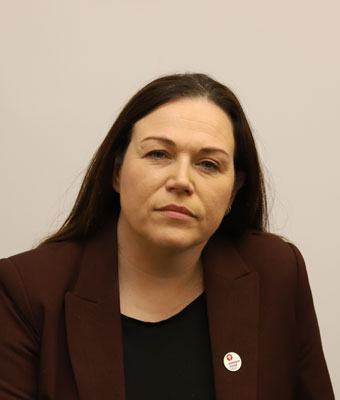
1. Deputy Louise O'Reilly asked the Minister for Social Protection the plans to address the high rates of domiciliary care allowance, DCA, appeals; and if he will make a statement on the matter. [46280/26]
This is a fairly straightforward question and one I have asked before, because it is an issue I like to keep track of. It has to do with the high rate of people who are unsuccessful the first time but successful the second time, often in circumstances where there has been no change. I know that the Minister will say this is not the case, but I can tell him that my constituents do believe that there is a policy. Some of the people who contact my office believe that there is a policy of refuse first and see if people come back. That is not a good thing, I am sure the Minister will agree, but it is certainly the impression that people have.
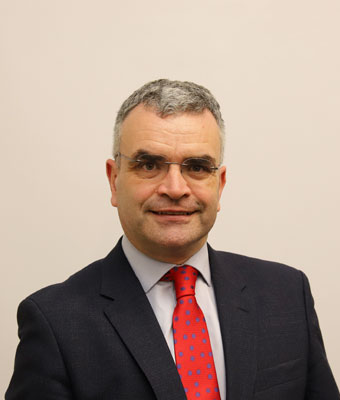
I thank Deputies O'Reilly and Wall for their ongoing work on this issue. The DCA is a monthly payment to a parent or a guardian in respect of a child aged under 16 who has a severe disability and requires care and attention substantially over and above that needed by a child of the same age. The payment is not means tested. There is no restriction on the number of children for whom a person may claim the payment.
The current rate of appeal for DCA is not disproportionately higher than that of similar medical-based schemes administered by the Department. In 2026, to the end of May, the appeal rate was 20%, with 6,742 decisions made and 1,366 appeals submitted. It is important to note that where decisions are allowed in the receipt of an appeal, this may not mean that the initial decision was incorrect. A decision is more often revised because the person making an appeal provides additional information that was not available when the decision was first made. In other jurisdictions, appellants are not allowed to submit additional information, but instead are required to submit a new application. By referring the appeal papers back to the Department's decision team for review, our process is more flexible. As a result, 692, or 62%, of the 1,111 DCA appeals granted in the period from January to May 2026 were decided by way of a revised decision by the scheme's deciding officers. This shows the Department's efforts to ensure that as few cases as possible have to go through the full appeals process. To reduce the level of appeals, we encourage those to provide all relevant information in the initial application. In a further effort to assist customers applying for DCA, claims can now be made online and improvements are being introduced to make that process easier for families.
The number of DCA appeals on hand has reduced significantly. At the end of 2024, there were 1,709 appeals on hand. This reduced to 664 by the end of 2025. There are 610 appeals on hand this year to date. This is in the context of a significant increase in applications for DCA in recent years. The number of applications increased by 17.5% in 2025, with a similar rate of increase evident so far this year.
I know that the Minister is very aware that in order to apply for DCA, a parent has to fill out a very long form, be it online or done with a biro. It is a very long form and they must describe their child on their worst day. They must talk about all of the things about their child that are negative for their family. It is soul destroying and exhausting. I can say this because I conducted a survey last year where I talked to people about it.
The experience of having an appeal rejected is somewhat traumatising for parents. I have had people in my office and I am trying to encourage them to appeal where there are no changes in the circumstances and they get it on appeal. It is welcome that people can apply online, as this removes some of the burden but, in truth, these forms are onerous. Filling them out is really hard for parents only to have an application rejected while knowing they have an entitlement and to have to go back and appeal. My understanding is that the percentage being overturned on appeal has risen. That is not a good thing.
I have placed considerable emphasis on this since being appointed. At the end of 2024, there were 1,700 appeals on hand. At the end of 2025, there were 664 appeals on hand, and we had a 17.5% increase in applications in 2025. As I said at the end of my previous contribution, we have a similar increase this year. We have allocated additional resources to manage it. By moving it online, we have taken some of that paperwork burden out of it.
I am very much open to feedback. We are doing a review of all the forms and processes at the moment. It is important for us to get a balance between getting the information we need to make a decision and to allow people to make an informed decision. I do not want a situation where we are adding to the challenges of a parent's life and, most importantly, a child's life. I need to strike a balance and I am very much open to feedback from offices about the design of any of our forms, but particularly the DCA form. I do not want people to have to go through any more challenges than they already do in their daily lives.
Some of this stuff is very easy to understand. If someone has a child who has a condition or a disability and that child is doubly incontinent, there you go and that should be enough without a parent having to go into a narrative about what that means. We know what that means. That means restrictions on where people can go. That means they have to be with their child constantly. All of these things we know. Sometimes, the Department requires a lot of information from people about the impact that having a child with a disability has on the household. That is really hard for parents to do.
We conducted a survey. A really high proportion came back to us and advised that they experienced poverty in the period between making the application and actually receiving the DCA, regardless of whether that required an appeal. That is not acceptable. A lot can be done to streamline the forms but that narrative part of the form is really tough for parents to engage with.
We have the online option. The average time to award a payment in 2026 to date has been seven weeks. The target is nine. We have also put a fast-track system in place between our medical assessors and my officials to ensure that all medical issues are expedited. I am trying to take all the blockages out of the application system. In response to the work of Deputies O'Reilly and Wall, who have consistently raised this, often outside the Chamber as well, we are keeping a very sharp focus on delays in the appeals. We have to strike a balance between getting the full information to make an informed decision efficiently and effectively. I have asked my officials to remember at all times the day-to-day experiences of the parents and guardians applying for it and of the children in particular.
Social Welfare Eligibility
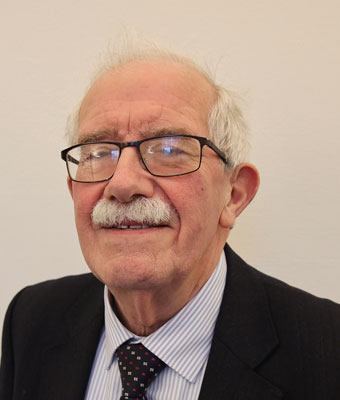
2. Deputy Seamus Healy asked the Minister for Social Protection if he will immediately abolish the income limit for carer’s allowance in view of the 2024 general election promises and the recent report regarding the difficulties experienced by carers; and if he will make a statement on the matter. [46523/26]
I come back to a very important issue that I have raised previously, namely, the abolition of the means test for the carer's allowance. I am asking the Minister to do that on 1 July, in view of the promises made in the general election in 2024 by all political parties and particularly in view of the recent report by Family Carers Ireland that showed very significant issues in care provision.
As the Deputy knows, the carer's allowance is the main scheme by which my Department provides income support for carers. Currently, just over 108,000 carers receive this payment, with a provision of over €1.4 billion euro this year. The carer's support grant is a separate payment that was paid to over 147,000 carers on 4 June 2026, at a rate of €2,000 per person being cared for, marking an investment of €336 million.
The programme for Government has set out a commitment to significantly increase the income disregards for carer's allowance in each budget, with a view to phasing out of the means test during the lifetime of this Government. This process is well under way. Last July, the amount of weekly earnings disregard was increased to €625 for a single person and €1,250 for a couple. As part of budget 2026, I announced further improvements to the means tests. They will be introduced from 2 July. From then, the weekly income disregard will increase from €625 to €1,000 for a single person and from €1,250 to €2,000 for carers who are part of a couple. These are the largest ever increases in income disregards. They are higher than for any other payment.
In its recent report, Family Carers Ireland acknowledged the significant progress made in increasing income disregards. The report states that 68% of Irish households are now falling within the financial eligibility criteria. The impact of the increases will mean that those recipients on a reduced payment due to their means will see their payments increase. In addition, more carers will qualify for the carer's allowance. For example, a carer in a two-adult household with an income of approximately €110,000 will retain a full carer's allowance payment and a carer with an income of €138,000 will retain a partial payment. When one considers that the commitment to remove the means test is estimated to cost a minimum of about €600 million, it is clear that a commitment can only be phased in through a number of budgets. I intend to do this over the lifetime of the Government, in keeping with the conditions of the programme for Government.
The findings of the report from Family Carers Ireland, entitled "The State of Caring 2026", should shock us all. Some of the key findings include that 75% of carers have never received respite, 76% are cutting back on non-essentials, 71% find it difficult to make ends meet, 69% do not receive sufficient formal support, and 49% are cutting back on essentials like food and heating.
A stark 48% experience severe loneliness, 32% report very bad mental health and 19% report bad or very bad physical health. Carers do significant work and save the State billions of euro. It is now time to recognise that and implement the commitments and promises that were made during the general election 2024. The Minister has the opportunity to do that on 1 July and he should do that.
I am very aware of the work of Family Carers Ireland. We host a forum specifically for carers every year. We did that in May. I am very aware of the challenges being faced by carers in terms of respite and other supports. The Deputy may have missed the point within the report that over 68% of families would now receive a carer's allowance payment as a consequence of the income disregards being changed from July.
That leaves 32%.
This means that somebody on an income of €110,000 can receive a full carer's allowance payment and those on €138,000 can receive a partial payment. So, we are making very substantial progress in phasing out the means test. It is a commitment in the programme for Government and I will continue to progress it. I also have other commitments and I want to ensure that we look at the people who are on existing carer's payments for support.
Carers are very important and we had a full morning of engagement with them at our carers forum, where many of the issues in the Family Carers Ireland report were raised. We are working through those with other colleagues across the Government.
Every political party, including Fianna Fáil, made a commitment in general election 2024 to abolish the carer's means test, full stop, no ifs or buts. There were no terms and conditions. There was no small print and no devil in the detail. The Government was going to abolish the means test for carer's allowance, but it has not honoured that commitment. That raises the whole question of trust in politics and politicians. The public are becoming quite cynical now about all things political.
The Minister has another opportunity to do the right thing on 1 July. He is already making some changes, which are welcome. However, it still leaves one third of carers above the threshold of the means test. The Government has the funds available. The cost ranges from about €259 million to the figure the Minister has used, which is €600 million. The Parliamentary Budget Office says €259 million. The Government has a €9.2 billion surplus in budget 2026. The Minister has the opportunity and the funds. He should do the right thing and show the Government's bona fides to carers on 1 July.
The lifetime of this Government is to 2029. I have my ambitions to maintain this commitment. Any situation where a social protection support is available to a family on €110,000 per year in full or to a family on €138,000 in part represents very good progress. These are the biggest increases in the income disregard for the carer's allowance and will come into effect on 1 July. However, I also must have consideration of other pressures and priorities within my Department. I must have consideration for the people receiving carer's allowance at the moment. That is why we were able to introduce a €10 increase in the weekly carer's allowance for 2026.
I am very much aware of, and determined to implement, that programme for Government commitment. We will continue our work with Family Carers Ireland. We had a very good carers forum and there are many issued raised within "The State of Caring 2026" report that I will work on within my Department and with colleagues across the Government. I assure the Deputy that, given what we are doing from 1 July with the biggest increases in income disregards since the allowance's introduction, I am very much delivering to my party's commitment in this area.
Social Welfare Payments
3. Deputy Louise O'Reilly asked the Minister for Social Protection if he plans to address barriers - administrative, financial and others - to accessing social welfare payments; and if he will make a statement on the matter. [46287/26]
The Minister and I discussed this at committee. I received a response from the Minister for Health advising that the general medical services, GMS, contract does not cover the filling out of forms. As the Minister for Social Protection knows, a lot of people require medical information in order to apply for social welfare and other things. Given that filling out forms is not covered, my question is on the significant barriers, be they administrative, financial or otherwise. Once I started to look into this, I realised that there were a lot of people who found it quite daunting to approach the Department of Social Protection. Specifically, my concern is around the people on the medical card.
I thank the Deputy. We are very committed in the Department to reducing any administrative, financial or other barrier that may prevent people from accessing their social protection entitlements. Our schemes are generally accessed through two main mechanisms: by assessing the PRSI contribution record of a person in respect of social benefit schemes; and by applying a means test and other conditions as appropriate in the case of social assistance schemes.
In respect of contributory schemes, we have broadened access and entitlements in recent years through the introduction of new schemes such as jobseekers pay-related benefit; the expansion of access to existing schemes, for example, to carer's benefit for the self-employed; and the extension of the duration of schemes. In respect of means-tested social assistance schemes, significant adjustments have been made in income disregards, which have enabled more people to qualify for schemes such as carer's allowance, fuel allowance and disability allowance in recent years.
The statistics back up the fact that people are increasingly facilitated in accessing our Department's schemes. Annual transaction volumes have increased from 3.2 million in 2024 to over 3.4 million in 2025. We have sought to make it easier, as we discussed earlier in the context of DCA, through the expansion of the Department’s digital and IT platforms. These developments allow, for example, the auto-award of many payments, including the automatic award of approximately 85,000 back to school clothing and footwear allowance payments, which will be done over July, and the automatic award of 147,000 carer support grants in recent weeks. Many child benefit claims for second and subsequent children are also auto-awarded while the sharing of information with Revenue means that many jobseeker claims can also be awarded without recourse to seeking prior employment records.
The Department is also witnessing a very considerable increase in use of our online service platform, MyWelfare.ie. We are continuing to provide in-person and phone-based support services.
I will address the issue around the medical cards in my subsequent reply.
Excellent, and I hope that the Minister will confirm to me that people can apply for supplementary welfare allowance in order to pay for the GP. If this is not covered on the medical card and someone does not have the means to pay €80 but absolutely does need to apply for whatever reason, it strikes me that it should be available on the supplementary welfare allowance. I am hoping that the Minister will confirm that to me this morning. If it is not available, then I am hopeful that the Minister will say where people can get the money.
People cannot magic up €80. If they have not got €80, they have not got it. Many GPs will fill out a form, but only on a grace and favour arrangement. More and more people are finding that their GPs will not fill out the forms or that they have to pay for a visit outside of the GMS. That is €80. Perhaps the Minister will confirm that people can apply for supplementary welfare allowance because that is not the experience of my constituents. I am hoping that the Minister can confirm that this morning.
To put Deputy O'Reilly's remarks in context, we discussed this at committee last week. I followed it up. I am going to follow this up with the Deputy. It was raised by many Deputies following her intervention. The Department of Social Protection does not require applicants to obtain private assessments or specialist medical reports to submit an application for a social welfare payment. All available evidence submitted as part of the application is considered. In addition, the Department funds GPs to complete the medical portion of relevant social welfare application forms.
I am going to follow that issue up within the Department and with the Deputy. We are happy to engage with any Deputy where there is this issue. We do not need to know the specific circumstances. I do not want people being unable to access social protection support for the want of not having income. It goes against everything the social protection system stands for, with a lack of resources preventing someone from accessing the system that is supposed to help them. I am very focused on this.
I am going to be doing a lot of work on this but this is my initial response and I am happy to engage with the Deputy on it.
That is very welcome to hear and I am more than happy to work with the Minister. I can provide him with practical examples of where this has happened. I can also say, as I used to represent nurses and I do not hold a massive candle for doctors, that many GPs do this. The problem usually arises when a person goes in to get a form filled and they find out that maybe there is a new GP or they have moved to a different type of service and they just do not do that form. People are not seeing the same GP when they go back and they are coming to my office. When they go for supplementary welfare allowance, that is not always clear cut either and a lot of the time people are sent back. They are told to go to the doctor because the doctor has to do it but the doctor does not have to do it, as the Minister for Health has confirmed to me.
I really welcome that the Minister is going to examine this matter. I can tell him that I will work with him and I am sure plenty of others will as well because it cannot just be an issue in my area. I would imagine it is across the board.
I thank the Deputy. We will engage with the Minister, Deputy Carroll MacNeill, in relation to the communication of this. It is something we have noticed coming up in forums as well - that there is a genuine consideration that we require very complex medical assessments. We do not. I also meant to emphasise in relation to the domiciliary care allowance earlier that we do not require assessments of need. That is still out there. We are trying to minimise the burden on those seeking to access the services. I certainly look forward to feedback from all Deputies in relation to this. We will continue to work with the Minister, Deputy Carroll MacNeill. I will also ask my Department's officials to communicate this and make sure that this is communicated as we redesign forms and application processes. Forms, for many people, are no longer the means of accessing our services. We will communicate very clearly what is required and, most importantly, what is not.
Poverty Data

4. Deputy Eoin Hayes asked the Minister for Social Protection to outline the plans his Department has to reverse the trend of increasing levels of poverty amongst older people living alone; and if he will make a statement on the matter. [46289/26]
My question is about older people living alone. According to the Central Statistics Office, CSO, about 30%, or one in three, are at risk of poverty. It seems quite incredible that in a country with a €9 billion surplus in cash and one of the highest GDPs per capita in the world that we would have such a level of people living alone and pensioners in poverty. I would like to hear what the Minister is going to do about it.
I thank the Deputy. As he knows, the State pension is the bedrock of our pension system in Ireland. As reflected in data from the CSO, it is effective in ensuring that our pensioners do not experience poverty. We, as a Government, are committed to ensuring that this remains the case for current pensioners, including those nearing State pension age, and today’s young workers, including those only starting their careers.
Over €12 billion was allocated to State pensions in budget 2026, an increase on budget 2025. From January of this year, the weekly State pension increased by €10, which now means the maximum rate of the State contributory pension is €299.30 per week. Since 2021, the State contributory pension has increased by €51 per week, which shows a commitment to supporting older people. This continues to be a priority for me.
It is recognised that the cost of living for a person living alone is greater than the individualised cost of one of two or more people living together. That is why a weekly living alone increase of €22 is payable to all those aged 66 and over, who are in receipt of a State pension payment from my Department. The living alone allowance has risen by over 144% since 2019, when it was €9 per week. It is paid to about 260,000 people every week. All of these recipients also qualify for the so-called free schemes under the household benefits package, including an electricity or gas allowance and a free TV licence. The telephone support allowance and the fuel allowance payment which, as the Deputy will be aware, was extended by a further four weeks in 2026, is also available subject to a means test.
The rates of primary and secondary payments to pensioners, and their adequacy, are considered in the context of the annual budgetary process. In doing so, we consider evidence from a wide range of sources, including agencies such as the CSO, and also research from groups such as the Vincentian Partnership for Social Justice and its minimum essential standard of living, which has just been published today. I am very conscious about the pressures facing those living alone. It will very much feed into my work in the context of budget 2027.
The Minister said that the State pension is aimed at making sure older people do not experience poverty but, according to the CSO, one in ten is experiencing consistent poverty. That is a doubling since the year before in 2024. Notably, this is particularly acute in rural areas and in the Minister's constituency of Mayo and Belmullet. Some 27% of households are reliant on the State pension exclusively. They are living alone; they are isolated in rural areas and entirely reliant on State support. One of the things the Minister mentioned was the increase to the living alone allowance. He selectively looked at 2019. The majority of that increase happened in 2020 and there has not been a significant increase to the living alone allowance since. What will the Minister do on the living alone and telephone allowances in the forthcoming budget? What is the threshold for him to tackle poverty for people living alone?
I am very aware of the people of Belmullet. I had the privilege of being there recently at a 100th birthday, and with a neighbour who is 101. I give my good wishes to Mrs. Ginnelly who is 100 today. That is three people in one village breaking the 100 year mark. I am very aware of it and of older people everywhere, including in Dublin Bay South. We want to ensure there is an adequacy of income, particularly for those living alone. I am very aware of the gap and the cliff edge - for want of a better phrase - that people face when they lose their partner. They are left with the same expenses but their income is reduced. We are definitely looking at the living alone allowance but, as I said, when you look at the level of increase since 2019, it is 144%. It was €9 per week in 2019, so there has been a very definitive increase there, and also when you look at the other payments that are available. The fuel allowance is paid to many pensioners. That was extended for four weeks to bring it to 1 May.
We are looking at the telephone support allowance and the free TV licence. We are looking to see if those payments continue to be relevant in the context of different forms of communication, such as streaming services, etc. I want to make sure that communications are as relevant as possible because for somebody living alone, communications and the ability to have them are essential.
I would strongly welcome the Minister doing that in the forthcoming budget. To come back to the fuel allowance in particular, many older people are struggling to heat their homes. They are often staying in bed rather than getting up because they cannot afford the gas or the home heating oil.
I want to focus on the question of targeted energy credits. This is something that has been talked about in the House many times. There are 500,000 households in arrears, according to the Commission for Regulation of Utilities. I assume that many households like that include older people living alone. The Minister's Department, in particular, has an obligation to look at how it targets energy credits for different people. I know it can be administratively difficult but I would be interested to know if that is something the Minister is planning to do as well for older people living alone.
The fuel allowance is paid to many people, such as pensioners, but it is paid to allow them make decisions about their own fuel and energy. I am certainly open to ideas as to how we make sure it can help people directly with fuel payments. People's fuel demands and fuel bills are different, depending on their use of fuel, what kind of heating systems they have and where they live. The whole basis of the fuel allowance, which we increased by €5 per week and extended by four weeks, is that people have the choice to use that money to make the payment for their fuel in whatever way they want. We have seen proposals and had proposals and debate about how that gets targeted but I am not sure, by taking away people's choice, whether we will worsen the situation inadvertently. There are proposals that we should give it directly to energy companies but I am not convinced that will work. For many people, that might not be their fuel pressure in terms of income. I am very open to proposals on how we can use the fuel allowance to ensure we have more targeting. I look forward to the proposals in the Deputy's budget submission.
Social Welfare Schemes
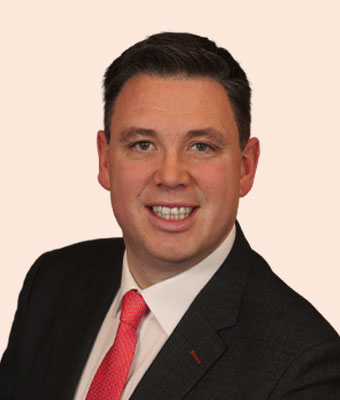
5. Deputy Paul McAuliffe asked the Minister for Social Protection if he plans to change the fuel allowance thresholds for those over the age of 66 that are a single income household; and if he will make a statement on the matter. [46491/26]
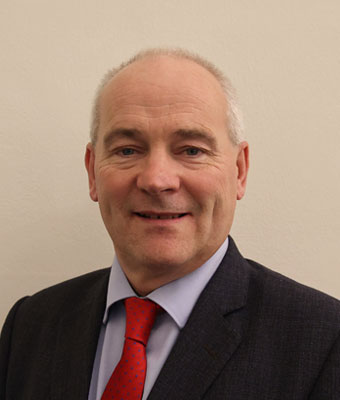
Deputy McAuliffe has the next four questions in a row. We are on Question No. 5.
Gabhaim buíochas leis an gCathaoirleach. Could the Minister address the issue of the fuel allowance, particularly the income thresholds for those over the age of 66 in single-income households?
I thank Deputy McAuliffe for his question and his ongoing work on this. As a result of that work, there have been significant improvements in the fuel allowance scheme, particularly in relation to the income thresholds for those who are 66 and over.
In January 2023, in order to allow more pensioner households qualify for the fuel allowance, a new fuel allowance payment was introduced for those aged 70 and over. People over 70 no longer needed to be in receipt of a qualifying social welfare payment to be eligible for fuel allowance. A single person with means of up to €500 per week or a couple with €1,000 per week became eligible. The amount of savings and investments that are disregarded was also increased for those aged 70 or over from €20,000 to €50,000.
From January 2025, this measure was extended to applicants aged 66 and over, with an increase to the weekly means that could be disregarded to €534 for a single person and €1,068 for a couple.
Recent expansions to the scheme have resulted in many more households qualifying for the payment and have resulted in the budget for the scheme increasing to an estimated €557.4 million in 2026 compared to an expenditure of €290.45 million in 2020. Since 2020, when the Deputy was elected to the Dáil, an additional 100,000 households have become eligible for the fuel allowance. I am aware there may be exceptional circumstances where a person does not qualify for the fuel allowance but may need support. It is for this reason that we can make additional needs payments, through the local community welfare service, to meet essential expenses.
The programme for Government includes a commitment to examine key benefits such as the fuel allowance, the household benefits package and the living alone allowance increase to support vulnerable groups. This will be ongoing activity as part of our annual budget planning process. I intend to continue to make improvements to the key benefits, such as the fuel allowance. I am very aware of their necessity and the support they give to older and vulnerable cohorts.
I saw a statistic that 25% of all homes now in the State are in receipt of the fuel allowance. It is certainly a very significant figure. It is coming close to nearly 500,000 homes. Any of us as Deputies can see when you walk around and knock on doors, there are homes that have been able to avail of the better energy warmer home scheme because of their eligibility for fuel allowance. My worry is about the cliff-edge for people. There might be two people over-66 living in a home and for that household, the threshold is €52,000 of annual income. Next door, if there was a person living on their own who could often be a widow or widower, their income threshold is only €26,000 but it costs the same money to heat both homes. The 50% reduction in the income threshold for a single person is very significant. Perhaps it should be something closer to two thirds of it. Particularly for those in the over-66 category, there are many people who find themselves in that situation because of bereavement and it is worth examining.
I thank the Deputy for that example. Those are the anomalies I am looking at in the context of my previous discussion with Deputy Hayes. We are also looking at the living alone allowance. A person living on their own does not necessarily have half the costs. It is a rather arbitrary figure. In particular, it is especially challenging for somebody who goes through the trauma of losing a spouse or partner and is immediately faced with that cliff-edge. That is definitely something we will look at and particularly for the older cohort, who have higher bills for energy and food and less chance to make up that in terms of day-to-day earnings. In the context of looking at the living alone allowance increase and the fuel allowance payment for budget 2027, they are areas we will be considering. I look forward to engagement across the House ahead of budget 2027 in October.
It is a new scheme that is popular and people want to avail of it. If you are sitting in someone's home and as you go through the form, you say to them you are only eligible for one income threshold of €26,000. The person almost feels like they are being punished for having lost their partner. You can see it etched in their face. I ask the Minister to examine it. A 50% reduction is too significant and particularly for that older cohort. With his colleague, Deputy Darragh O'Brien, the Minister needs to examine how this scheme interacts with the better energy warmer homes scheme. It is an amazing scheme and you can get nearly €50,000 of works done to your home at no cost to the homeowner. Giving a gateway to that scheme, without necessarily significantly changing the fuel allowance scheme, could be one way of addressing the issue I am raising. While often people are seeking the payment of nearly €1,000 per year, they really want to make the improvements to their home to reduce their bills through the better energy warmer home scheme.
I will work with the Minister, Deputy O'Brien, on that. The living alone allowance is also available for people in that situation and it is €1,144 a year. The weekly rate for the living alone allowance is higher than the 28 weeks of the fuel allowance payment. I will say it to everybody about the household benefits package. There are many people who qualify for the households benefits package who are not in receipt of it. We all need to work with those who come into our offices to make sure they are in receipt of everything they are entitled to receive. That is one package in particular that I have noticed the numbers are down on. I will be doing some work on that.
The proposals and suggestions Deputy McAuliffe has made in the context of household composition and how we assess that are very worthy and could potentially make a difference. They will have to be looked at in the context of budgetary decisions and negotiations. We will be doing that.
Public Transport
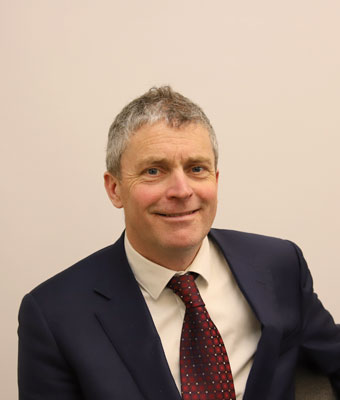
102. Deputy Pa Daly asked the Minister for Transport the new public transport services that have been rolled out so far in 2026; the new services that will start operating in the remainder of 2026 and in the year 2027; and if he will make a statement on the matter. [45508/26]

This question is in the context of the National Transport Authority, NTA, stating that it does not have money for further public transport expansion this year. Why has it been left in this position? I have a relevant local example in Athenry in my area. I know that the Minster is aware of the situation there. Will he touch on it?
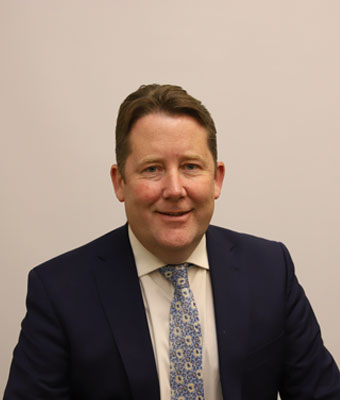
Sustained investment in the public service obligation, PSO, programme has driven record public transport use, with passenger numbers up 23% and continuing to grow this year, alongside an expanded network serving over 240 towns and villages. As demand rises and congestion issues remain, Ireland’s public transport system has reached a pivotal point, with an increasing need for reliable services.
A fundamental reset in funding was required to place the PSO programme on a sustainable, long-term footing in line with the programme for Government commitment. Accordingly, the 2026 PSO allocation was structured to eliminate the need for supplementary in-year funding, providing greater certainty and stability for service delivery.
To underpin this, my Department secured an unprecedented €940 million allocation for PSO services in budget 2026, which was a 43% increase on the previous year. This significant investment provides a robust foundation to ensure that existing public transport services are delivered reliably and sustainably throughout the year, enabling the system to meet rising passenger demand and assist in absorbing growing operational costs.
The NTA is managing the 2026 allocation by prioritising delivery of existing programmes in line with operational readiness and resources. Enhancements within the current allocation are prioritised. Some changes are cost neutral while others require additional resources, and all are subject to funding, readiness and capacity.
Funding for new services in 2027 will be determined through the annual Estimates process, which we will be entering into shortly. Within the constraints of the reliable resources available, the NTA will be responsible for prioritising its service plan, taking into account operational readiness, demonstrated and anticipated passenger demand, and the need to deliver value for money.
This reset the Minister is talking about means fewer new services. That is what the NTA is saying, and the impact of that is massive. I know the impact of it in Athenry, and the Minister knows the story there, where we have been promised a PSO bus service for the past two years since the previous service ended. We still do not have that bus service.
We have been told that the 6.50 a.m. train, the only early morning train service at around that time between Athenry and Galway, is ending in six weeks' time at the end of July due to a lack of funding. Athenry is a large and growing town with a population of over 5,000 people. We have Dexcom now and up and running in the town, and many people commute in and out of Galway city. There are serious problems on rail services, with dangerous overcrowding at peak times.
We are being left waiting for these services. We are being told that the money is not there for the new bus services or to maintain this vital, early morning train service. There is no justification for us being left to wait any longer. I presented the Minister with a petition signed by 1,700 people within Athenry calling for these services to be maintained. Will the Minister ensure that that happens?
The 6.50 a.m. service is not going. Let us be clear on that. I know that the Deputy has been running a bit of a campaign locally. The 6.50 a.m. train service will be retained; end of story.
What I was trying to explain in my answer was that we got a big uplift in PSO funding. For the past five years in the Department of Transport, a big supplementary budget was requested at the end of the year to basically backfill new services. I did not want to do it that way, which is why we got a big uplift - a 42% increase - in the PSO allocation to stabilise those services across this year. We are now entering into the annual Estimates process, and I will obviously be looking for additional funding in that space to provide those new services that many Deputies are asking for and that I am looking for in my area, but we need them to be set up on a sustainable footing. We have managed to do that this year. There are resource constraints too, but this year is a stabilisation year. Even though we are seeing increasing passenger numbers, which is great, I want to provide additional services, and that is why we are entering the Estimates process shortly to provide additional funds next year to roll out new services. This year has been a year to stabilise the services that we have added to already. I have taken on board a lot of the different feedback I have got from Deputies about specific services and that will be in the NTA service plan.
I welcome the Minister's commitment on the 6.50 a.m. train. I ask that that be communicated to the NTA and Irish Rail as well, that clarity is provided to them on that. The responses I am getting have not reflected that until now but I welcome the Minister's comments on the matter today. If additional funding is forthcoming, of course that will be very welcome as well but my question is on when that will happen. In terms of Athenry, we have been waiting two years for that promised bus service. The NTA says that while it does not have any additional funding, it cannot implement that service. My big question, then, is: when that will happen? It is urgent for Athenry and, I am sure, for many other areas across the State where there are real constraints in terms of public transport capacity. I urge the Minister to ensure that this happens very quickly. The NTA wants to be able to provide more services. We all know that public transport has become increasingly popular but people want to be able to rely on it and they should be supported to do so. We need the commitment from the Government and, crucially, the funding to do that. I ask the Minister to provide clarity on when we can expect that.
I have spoken on the record of the House about the 6.50 a.m. train. The Deputy has raised it. Deputy Albert Dolan has raised it with me as well. That service is being retained, and I will relay that information. I am not sure how it got to the stage where there was uncertainty around it.
The broader point, which I have explained, is that about €1.6 billion is the operational cost of our public transport network across the board, most of that being PSO and fares. That is what it costs to run what we have, which is a greatly expanded public transport service, including Local Link services, trains and buses, right the way through our whole network. What I am doing now with the Ministers of State, Deputies Buttimer and Canney, is entering into the Estimates process for next year. Now that we have stabilised an increased service, which is good, and we have seen significant increases, we have a much higher base. We will seek additional funds for 2027 in order that we can roll out those additional services in 2027, subject to the NTA's service delivery plan. That is my intention.
Bus Services
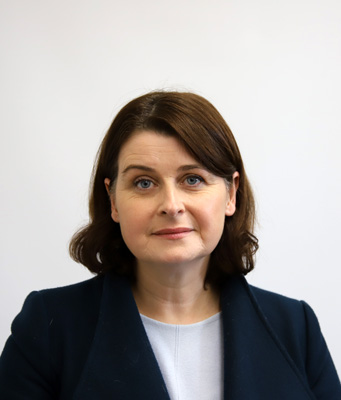
103. Deputy Jennifer Whitmore asked the Minister for Transport for an update on the new start date for the 199 Local Link bus; and if he will make a statement on the matter. [46559/26]
Can the Minister give me an update on the Local Link 199 service and when it is due to start? It was actually meant to start last September. A bus has been purchased for it. Drivers are in place. The community really needs this bus service up and running. There is very much a lack of clarity because the Government says one thing and the NTA says the other. Can we have a start date for this service this morning?
I thank the Deputy for raising this issue again. I know there is a campaign on the ground supported by her. This is an important service that we want to get into use. I mentioned in my previous answer that this year has been a year to ensure that we got an increase in the PSO funding, which is very significant.
There has been considerable investment in services throughout the country under the Connecting Ireland Rural Mobility Plan. I think everyone is agreed that has been a real success. I have met many of the Local Link services across the country. The plan is improving how rural communities access public transport. I am pleased to state that passengers are responding to this continued investment, with TFI Local Link services recording a combined 6.97 million passenger journeys just last year, marking a record and a 19% increase on the previous year. That is just short of 7 million journeys.
In counties Wicklow, Carlow and Kilkenny, funding increased by 25% between 2024 and 2025 to over €4.6 million, boosting passenger numbers by 81%. A great example of this can be seen in route 183, which was enhanced from Arklow to Sallins. The enhanced route offers connectivity to Avoca, Rathdrum, Rathnew, Wicklow, Roundwood and Laragh and improved connections to regional public transport, including a morning connection to Arklow.
The PSO allocation, as I mentioned earlier, has risen to €940 million. That is 43% up on 2025's allocation. I want that on a sustainable footing; I do not want to have to go back looking for supplementary funding every year. That is a record level of funding we have provided and that underpins the new routes we have brought forward. It is a priority to roll out the 199 service, which is part of the NTA's service plan. The service is subject to the same considerations around funding.
To be straight, I expect that, as part of the Estimates process, with the additional funding we will receive, routes like the 199 service will operate from early next year.
I thank the Minister but that response just is not good enough. It just does not cut it. This service was to start last September. People have been relying on it. They have been making life decisions - dropping out of college, not able to get jobs in other parts - because they are relying on this service to go from, say, Roundwood to Bray. They were told it would happen in September. I am glad to hear the Minister say that it should happen from next January but what people need is an actual date. We have some members of the Government saying that an announcement was to be made last week and the NTA says there is no funding for this. There is a complete lack of clarity. This service needs to start at least in September because people in those areas cannot get to college or get to many of the schools they need to get to. To say now that there will be another six months' delay, following a year's delay, is just not good enough.
I have outlined that this is an important service for people. I have outlined what has been done in just the past two years in relation to Local Link services in Wicklow. I think everyone acknowledges that there has been a significant increase. This route, this service, is a priority. I want to see it in place as soon as we can. I am trying to give a realistic timeframe for its implementation because the Deputy is right that people need certainty around it. They do not need to be told it might be next week and next week and next week. What I and the Minister of State, Deputy Buttimer, have been able to do is significantly increase the funding for these types of services to get this onto a sustainable footing, with a 42% increase and record public transport passenger numbers right the way across the country and continued growth. I want to grow that further. We are seeking additional funding for next year to roll out services like the 199. If I get additional funds this year - and it is an if - any of the services that we can roll out additionally we will do this year. I am trying to give the Deputy a realistic timeframe for her constituents. I am confident that we will be able to get this up and running early next year. We will be in our Estimates negotiations pretty soon. I want to get additional funding for that. We are looking at how that funding is made up between PSO and fares to be able to deliver new services like this, and the Deputy is right that people are responding to it.
I do acknowledge that the Minister is trying to give a realistic date. I think that has been part of the problem: that people have been waiting week by week for this service to be rolled out. The difficulty, however, is that I was told in May last year that this service was funded, that the money was there for it. It was tendered and it was contracted. There is a bus sitting in Clonshaugh in Dublin empty, not running, waiting to be used on this service. Four drivers have been hired for this service. Everything is ready to go, and I do not understand how that funding is no longer there. I know the Minister is saying that he is trying to stabilise funding this year and next year and that new services will come in but this service was promised. Because we are coming into the start of a new school year and a new college year, I ask that the Minister try to find that funding for just four months of the year to get this running. It is ready to go. Literally, the bus is sitting there. I ask the Minister to try to find that funding to bridge that gap.
I know people have been told this is funded. I know that the bus is purchased. People have been employed. If we can get it started earlier, we will do so. I will go back and specifically ask why that was advised previously. What the Minister of State, Deputy Buttimer, and I have tried to do - and I think we have done it pretty well - is to get that big uplift so we are starting from a higher base and then we can really be sustainable. As to what happened over the past five years, it was great to see the increases in services but there was no certainty around any of them-----
Correct.
-----because it was just a matter of going in every year for additional moneys towards the end of the year. I will specifically and personally check this one out and I will revert to the Deputy. I am trying to give a realistic timeline and, in fairness, she has accepted that. If it can be done sooner, we will do it sooner because I know the bus has been purchased. Let us see what we can do in that regard and I will come back to the Deputy directly.
Deputy O'Hara, are you taking Deputy Daly's questions?
Yes.
Rail Network
104. Deputy Pa Daly asked the Minister for Transport to provide an update on the rail traffic management system; to provide and updated timeline for delivery; the projected costs; and if he will make a statement on the matter. [45509/26]
I ask the Minister to provide an update on the replacement of the State's rail traffic management system; to provide an updated timeline for delivery; the projected costs for this; and to make a statement on the matter.
The National Train Control Centre building was completed in November 2022, on time and within budget, despite significant disruption to the construction sector throughout the Covid pandemic. While the building today houses some signalling operations and Iarnród Éireann staff, as well as approximately 100 personnel of An Garda Síochána overseeing communications in the Dublin metropolitan region, bringing the centre into full operation has been delayed by slower-than-projected progress in developing and rolling out the new traffic management system, which is the software that integrates a range of complex railway systems, such as signalling and communications.
Taxpayers and train users are rightly concerned about this delay as I am too, I assure the Deputy. In my capacity as Minister, I have met with Indra, the contractor delivering the traffic management system. I met them last August and again in January of this year.
On both occasions, I expressed my clear dissatisfaction with the state of progress and emphasised the importance of bringing the project to a successful conclusion as quickly as possible.
A re-baselined programme was agreed between Iarnród Éireann, the NTA and Indra in November 2024, breaking the project into eight discrete commissioning phases to improve deliverability and realise benefits incrementally. The contractor delivered software to Iarnród Éireann in mid-April to support the planned implementation of commissioning phase 1 on the Rosslare line for early next year. A three-month software testing period is now ongoing. Decisions on software acceptance and future commissioning phases will be taken in mid-July, the middle of next month.
Given issues in terms of project delivery, I understand that the board of Iarnród Éireann is also considering potential options for the future delivery of the project. I await its recommendations, which I have not received yet. In advance of the conclusion of software testing and consideration by the Iarnród Éireann board, it would be premature to discuss schedule and cost implications for the project because I do not have that information yet.
The €50 million that has been written off on this failed traffic management system represents a shocking waste of public money. The information given to the transport committee last week by Irish Rail showed that, for years, Iarnród Éireann staff expressed concerns about the ability of the contractor, Indra, to deliver this project. Despite these concerns, millions of euro continued to be put into this project. It demonstrates a real failure in project oversight.
I understand that, in mid-2025, Iarnród Éireann recommended to the NTA that the contract be terminated due to the ongoing delivery concerns, yet that contract is still in place. The Minister mentioned that he had met the contractor. I know the Department has been kept updated on this. Why was a stop not put to this contract, given all the evidence that Indra was failing to deliver it? What has the Minister done to ensure that costs are kept under control to avoid this waste of money? What is going to happen to this contract going forward, and how will the Minister ensure that costs are kept under control?
It is a very important system. We need this system in place. It is not a question of just pulling the plug on it. It has to be managed through. I have said very clearly to Indra myself that I am most unhappy with the manner in which this is being delivered and the delays in the system.
In relation to the write-down amount, I note that the asset value of the national train control centre, NTCC, is also considered in the CIÉ Group accounts for 2025. These accounts were received by my Department on 18 May and are currently being reviewed in the Department and by financial advisers in NewERA, and I expect to receive them shortly. I have not got them yet. I want to look into that in detail. It is my intention to bring the accounts to the Government and have them laid before the Oireachtas in the coming weeks.
Fundamentally, though, and regardless of who delivers this system, we need it. It is important for signalling and safety. The manner in which it is being brought about is far from acceptable, and that is putting it mildly. I am acutely conscious that the money we invest on behalf of our people has to be invested correctly and projects like this have to be delivered on time.
When I have further details on this, I will come back to the House. The accounts will be laid before the Oireachtas shortly.
It is a very important project. It is clear from the evidence that Iarnród Éireann provided that the failure to deliver the system now risks the possibility of disruption to rail services. A sum of €50 million is an enormous amount of money. We just had a discussion about the lack of funding that was available for new public transport services, and €50 million would make a huge difference there and right across the public transport system in terms of the constraints that exist. The Minister needs to ensure that the costs are brought back under control, and that there is no risk to the safe operation of the rail network. The Minister should provide clarity on how we have got to this point and why this lack of oversight has been allowed to happen, as well as on what his own role has been in terms of oversight here.
Indra is also the contractor responsible for the delivery of the contactless payments on the public transport system, as part of next-generation ticketing. The cost of that programme is up to €269 million. Will the Minister confirm what actions he is taking to oversee that project as well?
We are on track to deliver contactless payments. I have met Indra specifically about the contactless payments. That is critical for the public transport offering that we have across the country. Real-time testing rolls out on a phased basis next year, leading to a phased roll-out from 2028. That is a very intricate system. It has to operate in tandem with Leap as well, so we have to operate dual systems.
On this specifically, I want to be clear that from a rail safety perspective, contingency plans are in place to mitigate the impact of delays on the traffic management system. To safeguard the signalling resilience of the rail network, I approved an additional allocation of €5.7 million in May to enable Iarnród Éireann to commence additional signalling works to increase operational resilience within the greater Dublin area, the busiest part of our rail network.
When I have the accounts, when they are back from NewERA and that work is done, I will be assessing them. I do not micromanage every agency's budget. That is not my role. The NTA and Iarnród Éireann are supposed to manage that appropriately. I take this very seriously, though. I will be looking at the accounts when I receive them. I will be bringing them to the Cabinet. The figure that has been put out there may not be the figure. That is from what I have been told. That will be laid before the Oireachtas and it would be a good opportunity for the transport committee to further interrogate it as well. The main thing is we need the system delivered.
105. Deputy Ciarán Ahern asked the Minister for Transport for an update on the programme for Government commitment to commission a new independent feasibility study on continuing MetroLink to Dublin South-West; and if he will make a statement on the matter. [46573/26]
We are about to start MetroLink out in Dublin north. MetroLink to the south west would be another transformational project. I welcome the Deputy’s question on this. If we want people choosing public transport instead of cars, which they are in many areas whether for cost, congestion or climate reasons, we need to provide an integrated transport network that lets people travel throughout the city. It is for this reason that we do not try to bring forward rail lines or routes in isolation but use the Greater Dublin Area Transport Strategy 2022-2042 to inform planning and development of public transport infrastructure in Dublin, including metro lines.
As the Deputy knows, the NTA has statutory responsibility for the transport strategy and must review it every six years, meaning that the next review is due to be concluded by 2028. As part of this review, the NTA will reassess the need for additional metro lines, among other transport options, in the greater Dublin area. This review will consider updated travel demand forecasts as well as changes in land use and spatial planning policies. This background analytical work is expected to commence over the next year. The feasibility study for a metro to south-west Dublin will be undertaken as part of this broader strategic review process. The Deputy will, I hope, understand that this approach will help ensure that it is considered in an integrated and holistic manner, alongside wider transport and spatial planning objectives for the greater Dublin area.
The projects we are delivering now include DART+ South West and DART+ West, DART+ Coastal North, the MetroLink and the extension to Luas lines, which we are doing at Luas Finglas.
As Deputy has noted, the programme for Government includes a commitment to undertake a feasibility study for a metro south west in Dublin. We will do that. The operative railway order for MetroLink was secured in January 2026. With this key milestone now achieved, attention is turning to the preparation of the review of the strategy. On this basis, I look forward to the upcoming review of the transport strategy with a specific focus on this potential new MetroLink line.
I thank the Minister. Getting MetroLink built and even getting it started in earnest will be a fantastic legacy for him as a Minister for Transport. He will have the full support of the Labour Party and, I think, others in opposition in getting that done in as speedy a manner as possible. We know how vital it is for our city. I am asking that he does not just stop when he gets to Charlemont. We know these tunnel-boring machines are going to be in the ground. I ask that the line be continued on to Dublin South-West through Rathmines, Terenure, Rathfarnham, Knocklyon, Firhouse and Tallaght. There is a group in the Public Gallery from St. Colmcille's in Knocklyon. Maybe by the time they are my age, the line might actually be built.
This is not a new proposal. It is something Deputy Bacik has been requesting for a long time, as has the Metro South West Group. I understand that it needs to be done in a planned, integrated and sustainable manner. It makes sense to us that a line would not stop in the middle of the city but would continue out, and that this should be done in as efficient a manner as possible.
It is a very good point. This year has been really significant in the delivery of metro. We have our full railway order and clean planning permission. It is out to tender and some of the enabling works have started already in the Swords area, with the realignment of the roads, and construction is to start next year.
On a MetroLink to Dublin South-West, I fully get what the Deputy is saying. This will be a six-to-eight-year build. While that is happening, this review will have been undertaken. MetroLink will be the first real integrated system. When it comes into the St. Stephen's Green area, it will integrate with heavy rail, intercity rail, DART and the Luas.
There are major opportunities to expand further. The Deputy can be assured that there will be a specific focus on this as part of the review. That review scoping work will start next year, with the review to be undertaken in 2028. We will start building MetroLink next year and that will be rolled out on a phased basis. The review will happen. I know the Deputy will continue to advocate for it and he will have my support.
That is great. I thank the Minister for giving clear timelines. That will be much appreciated in the area. Dublin South-West has historically been underserved by public transport. We have a Luas line that starts in Tallaght but conspicuously avoids the rest of the constituency. We support the roll-out of BusConnects and would like to see that done as quickly as possible. There are some issues with routes, but broadly speaking we support that. As the Minister knows, no growing modern city can survive on bus routes alone. It requires light rail or a metro. Given the road space constraints in this particular area of the city, extending the metro through the city centre to Dublin South-West would make sense. As I said, a previous feasibility study ended the line in Knocklyon. It would make more sense for the line to go all the way to Tallaght whether has been a huge increase in population and new housing is being built all the time.
This is a very exciting time for public transport. This five-year period is a delivery period of major projects that people have heard and spoken about, including the expansion of the DART and, as I mentioned, DART+ West, DART+ South-West, DART+ Coastal North, Cork light rail, phase 1 of Cork commuter rail, which is concluding, and the commencement of MetroLink. These are transformational projects that are badly needed. A lot of them will deal with an infrastructural deficit that we have carried for a long number of years.
Thankfully, when we provide public transport options people use them. I welcome the support of the Labour Party for this project. Over the next year it is important that the Deputy and others in Dublin South-West and beyond engage with the NTA through the process of that review. We are commencing the construction and delivery of MetroLink, which will enable us to deliver further extensions to the MetroLink line, like what is being done with the Luas. I intend to bring Luas Finglas forward. Under the previous Government, the project was due in the mid-2030s. I think we can start construction in 2028. I use it as an example because it is an existing line that is being extended. The same can apply to this.
Bus Services

106. Deputy Roderic O'Gorman asked the Minister for Transport for an update on the planned roll-out of the N8 orbital bus route under the BusConnects programme; and if he will make a statement on the matter. [46563/26]
I want to again raise with the Minister an issue that is close to my heart and the hearts of residents across Dublin 15, namely, the provision of the N8 orbital bus service, a new BusConnects service linking Blanchardstown with Dublin Airport. I want to tie down a commitment the Minister made on a previous occasion that the route will be up and running by the end of this year.
That is what we are hoping to do. I want to again make it clear that the NTA is responsible for the provision, scheduling and timetabling of public transport services nationwide. The Deputy knows that. It works with operators to deliver these services.
I mentioned in response to earlier questions that we have secured a significant uplift in PSO funding, a 42% increase. I do not want to get back into supplementary budgets every year to provide services. We need certainty. The N8 route is planned to be implemented as part of phase 9 of the BusConnects Dublin network redesign programme. The exact implementation date for the route will be determined by funding provisions and operational readiness.
The route will run between Blanchardstown and Clongriffin via Dublin Airport. It will be critical to the Deputy's constituents. When the route is launched it will allow seamless and easy interchange with the W4 service which runs from Tallaght to Blanchardstown. I have answered the Deputy's question on a previous occasion. As soon as we can get funding for the route it will be a priority project. We have increased the funding. I still think we will be on track for later this year or early next year to roll out the service. If we can do it any sooner we will.
There has been a significant increase in public transport use. We have substantially expanded the service. Blanchardstown and the Dublin 15 area is a major growth area. It is in the service plan. We want to deliver it. As I have said before, I would like to deliver it by the end of the year. My position on that has not changed.
As the Minister knows, this route is long delayed. When I contacted the NTA in 2024, I was told it would be in place in 2025. When I asked about it in 2025, I was told it would be in place in 2026. When I asked about it earlier this year, I was told it would be in place in 2027. The Minister and I have discussed this route in the Chamber a number of times. He gave a strong commitment last time in terms of having the route delivered this year. I received a written reply from the Minister's Department on the same day which hedged somewhat and referred to 2026 or maybe 2027.
I am a bit concerned about what the Minister has said because I do not feel he was quite as committed to getting the route delivered this year. He raised a point about delivery of funding. I know he does not run the opening of individual routes day by day, but he is responsible for the money. I am unclear why the Minister is asking whether the money will be ready this year. He is the person with responsibility for whether there is money to deliver the N8 from Blanchardstown to Dublin Airport in 2026 to which he has committed.
To be fair to the Deputy, he has advocated for this. He mentioned he has been asking this question since 2024. The route was planned and approved before I came in as Minister for Transport. Having said that, in this year's budget we were able to secure €1.6 billion to run our public transport network. We have about €960 million in PSO, up 42% on the previous year, which gives us a much higher base.
I want to deliver the bus route this year. I have said that before. I do not have an exact date. As is the case with everything, it is subject to funding. In the Estimates process this year, I want to take another step up so that we can provide more new services across the country. This year has been very much about stabilising. I know how important the N8 is to the area. It will be a critical link and will also link to the W4 route. I will keep the Deputy fully informed as to the date when we can get the service.going. It is still my intention to get that started this year.
The ongoing delay in the delivery of the N8 is emblematic of wider delays in the delivery of bus services. I refer in particular to my constituency. The B spine route has been delayed. A judicial review is ongoing and I understand is that is coming to an end. Large numbers of new houses are being built. The Minister and I were at the opening of new estates over the past number of years. Additional bus service in places like Hollystown, Tyrrelstown and Kilmartin Grove are important in terms of dealing with the housing crisis in our country, but those areas are not seeing an increase in the level of services and capacity. There is already pressure to extend the N8 to cover areas like Hollystown and Hollywoodrath so that people have links to the airport and other areas of high employment. Again, it comes down to the question of money and providing financial backing to open these new services.
It does come down to money. The Deputy is absolutely right. When I came into the Department of Transport we were very short of money, including PSO funding. Over the term of the previous Government, every year there was a supplementary budget, that is, additional moneys added at the end of every year. We could not plan new services properly. My big focus this year was securing an increase of 43%, up to €940 million. That is a much higher base which means we move into next year with a higher level of funding to provide new services.
I know the area the Deputy has spoken of very well. As is the case in my area, it is a major growth area in the Fingal region providing thousands of new homes, something the Deputy and I want to do and worked hard to do. We are seeing more of that happen. Additional bus routes are critical in those areas that are wholly dependent on bus services to get into town. As I said, not for fear of repetition, it is my intention, working with the NTA, to get the route started this year.
Public Transport
107. Deputy Barry Heneghan asked the Minister for Transport if he will provide an update on measures being considered by his Department, the National Transport Authority and transport operators to improve late-night transport services in north Dublin, including through the expansion of DART+ and other rail and bus services; to address ongoing concerns regarding taxi availability for workers and patrons of the night time economy who are travelling outside normal public transport operating hours; and if he will make a statement on the matter. [46292/26]
I want to highlight the urgent need for increased investment in public transport, specifically in north Dublin. I have raised the roll-out of contactless payments and how it has been delayed until 2028 and the need for accurate live updates for when lifts are unavailable for people with mobility or disability needs. I want to ask the Minister about more frequent services, more carriages and the timeline for the roll-out of contactless payments.
Our Department, the NTA and service operators are working hard to deliver improvements to public transport services, including contactless payments and late-night services. We have delivered significant improvements over the past number of years, which should be pointed out. I thank the Deputy for his advocacy and commitment to enhanced public transport. The continued roll-out of the BusConnects network redesign has given passengers across the greater Dublin area more late-night options that ever before. We now have 15 24-hour bus services operating seven days a week across the city.
That means the vast majority of the suburbs now have access to a daily round-the-clock bus service. It is a significant change from five years ago, when there was no 24-hour provision at all.
In addition, Dublin Bus operates 12 nitelink services between midnight and 4 a.m. on Friday and Saturday nights, linking the city centre to suburban areas during peak late-night demand. Most other Dublin Bus routes run until 11.30 p.m. daily. Go-Ahead Ireland operates 35 routes across Dublin, Kildare and Wicklow, with most running from morning until midnight. We also have the rail and Luas services running at capacity, with additional late-night trains provided, where possible, during peak periods.
We are acutely aware of the benefits these services bring. As the Minister said, it is about reliability and putting public service transport on a sustainable footing. The Deputy's question captures a fundamental shift we must engage in, as a society and on the part of service operators and providers. That shift relates to a movement towards early-morning and late-night working. We must think differently to address the needs of those workers, including workers in the night-time economy. The Deputy's question is a very pertinent one for all of us involved in this area. We have seen change, and more change is needed. I will say more about that in my supplementary response. The Deputy has asked a very good question.
My frustration with the current situation of ghost buses and infrequency of DART services certainly is one of the issues that got me involved in politics. I spoke this morning to a Clongriffin resident who had to run to the end of the platform and squeeze onto the train like a sardine to get to work. I understand there are restrictions on the lines in terms of the size of platforms and how many carriages can be installed but can the frequency of the service be increased? I know there is an unsolvable problem at Connolly Station but I have seen how efficiently run the transport system is in London. I do not have my head in the sky; I acknowledge we have a smaller population, that our country only recently became much wealthier and that we do not have the same infrastructure the UK has in place. However, we now have a lot more money and we have the ability and manpower to do this.
A concern is that even with MetroLink being rolled out, residents in north Dublin will still not be able to easily access the airport. The Minister of State will be well aware of the proposals for a monorail or a two-way system to connect the DART line to the airport, in conjunction with the metro, as an alternative solution. Will he comment on that?
The points the Deputy has raised are fundamental to our philosophy in terms of where we want to go with public transport. I was reflecting on that the other day when I was at Cork Airport, where there is an issue with the bus service. The Deputy is right that we need to think differently. The existing transport provision timetable has changed. The Minister is very much committed to bringing new electric and battery-electric trains on stream. Testing of that fleet is under way and we will see an enhanced offering.
The Deputy's fundamental point is about our relationship, as a country, with public transport. There are exciting things happening in Cork with the Luas and commuter rail service. We have seen that if we plan and take on board some of what the Deputy has articulated, we can get it right. The Minister, the Minister of State, Deputy Canney, and I are very much committed to what he is advocating this morning. It is about getting people out of their car and onto a bus or train. As the Minister noted, we are seeing record numbers using public transport.
I hope those record numbers continue to rise with the quick roll-out of contactless payment and better accessibility. I welcome the engagement on those matters.
I also welcome the increase in the upper age limit for school bus drivers. The community bus service in Dublin has been lost. The No. 88 bus used to be a feeder bus service for Howth and Sutton DART stations. It did a constant loop of Howth Peninsula. Restoring that route would offer safe and convenient transport for families, for children travelling to GAA and football games and to school and for people going to the graveyard in Howth. I ask that the Department give consideration to that. It should also look at providing small-scale bus links within the BusConnects system. In such local micro-systems, the bus is a community service where users see the same people every day. That has been lost in north Dublin. Bringing it back would really benefit people.
I will take the Deputy's points back to the Department. As Minister of State with responsibility for rural transport, I am very aware of the success of Local Link services. There has been an exponential growth in the numbers using those services all across the country. Fundamentally, the Minister, the Minister of State, Deputy Canney, and I are all about ensuring sustainability and stabilisation to enable continued growth. The Deputy is right that the numbers using public transport will rise. The Minister made the point earlier that we are at a pivotal point in the development of our transport system. We welcome the growing demand but, as the Deputy has articulated, it has implications.
What we need to do now is take on the winnable parts of public transport provision. We must get rid of the urban congestion we see in many parts of our cities and towns. Resilience and reliability must be built into public transport. I look forward to working with the Deputy on these matters. I have taken notes on what he said and I will take them back to both the NTA and the Department.