Sports Funding
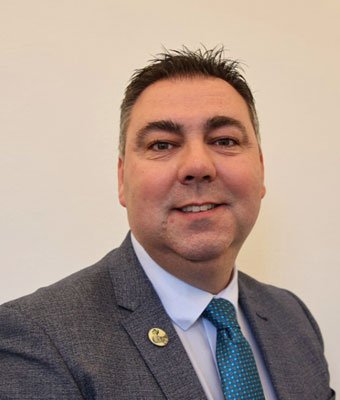
6. Deputy John Paul O'Shea asked the Minister for Tourism, Culture, Arts, Gaeltacht, Sport and Media to provide an update on sports capital grant appeals for Cork; and if he will make a statement on the matter. [9867/25]
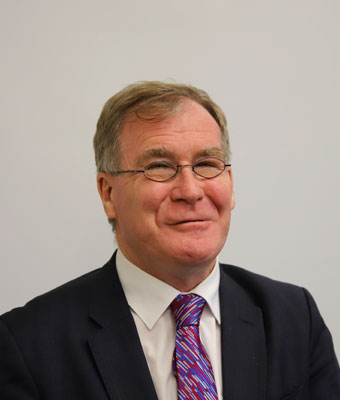
11. Deputy Colm Burke asked the Minister for Tourism, Culture, Arts, Gaeltacht, Sport and Media the timeframe for when the next sports capital grant applications will open; and if he will make a statement on the matter. [10207/25]
As this is my first opportunity to speak in the Dáil, I wish to say a huge thanks to the people of Cork North-West for putting their faith in me and voting me in to this House for the next five years. I look forward to representing them as best I can. I also wish to take this opportunity to thank my family, friends, neighbours, relations and all the Fine Gael family who supported me throughout the campaign. It is very much appreciated.
I wish to ask the Minister for sport for an update on the sports capital grant appeals for County Cork and if he will provide a statement on the matter.
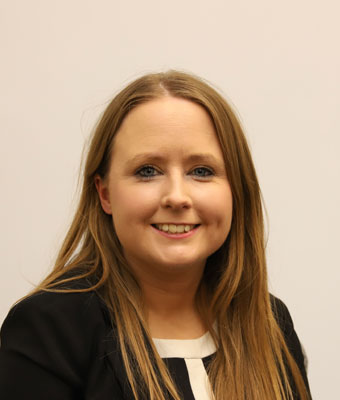
Comhghairdeas leis an Teachta.
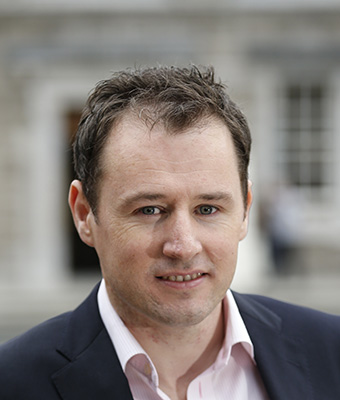
I congratulate Deputy O'Shea on a very strong election result. I wish him well in his term of office.
I propose to take Questions Nos. 6 and 11 together. The programme for Government, in which the Deputy had a role in negotiations, commits to supporting the sporting ecosystem so that more people can participate in and reap the benefits of sport and fulfil their potential from grassroots right up to high performance level. We will achieve this through a number of measures, including maintaining sports funding to get more people participating in all levels of sport, particularly targeting cohorts in society where there are lower than average participation levels. This includes people with disabilities and older people. Sport adds so much to our lives as spectators, grassroots participants or those who excel in their field. Government investment means our participants have good facilities at their disposal and can train to compete to the best of their ability, whatever that is. Government investment in sports is visible in our clubs and facilities. It is also visible in the achievements of our athletes at the highest levels, as we saw with the successful summer Olympic and Paralympic Games. The Government is committed to continuing to increase its investment during our time in office.
In terms of the funding in place, the community sport facilities fund, CSFF, is the primary vehicle for Government support for the development of sports and recreation facilities and the purchase of non-personal sports equipment. CSFF grants provide new or improved facilities, helping people of all ages and backgrounds to participate in clubs, who benefit greatly from this. In September 2024, €230 million was invested in grants for sports clubs and facilities under phase 2 of the community sport facilities fund. More than a quarter of a billion euro was also allocated to community sports clubs and facilities in total in 2024, taking account of the earlier equipment-only allocations.
There were 3,211 applications for the 2023 round, 365 of which were from organisations in the Deputy's county of Cork. In September, allocations were confirmed and the amount allocated to Cork organisations was just over €29.5 million. Given the scale of funding available and the time required to assess all local applications, the recommended allocation amounts for valid local applications were calculated using the Pobal index as the primary calculation factor. The scoring system for regional applications was designed to reward applications from disadvantaged areas, applications that showed evidence of sharing and those that had engaged with the planning process. All invalid applicants were offered a three-week period to appeal the Department's decision, the deadline for which was 29 October. For every appeal, the application was reviewed by an officer other than the original assessor. All appellants have now been informed of the outcome of their appeals.
In line with previous rounds of the programme, a review of the current funding round will now be undertaken. That review will be used to inform the timing of the next round of the community sport facilities fund. I anticipate that the next round should be announced early in 2026, with the consideration of the applications to follow and an announcement of funding later in 2026. So far, the pattern has been that, every two years approximately, there is a new round of allocations to clubs. I expect a similar timeline again.
I thank the Minister of State for his response. It is great there will be further investment in the wider sport area in the lifetime of this Government, especially in 2025-2026. On the sports capital allocations, it is good that appeals from County Cork have been dealt with and a number have been successful. The ones that were unsuccessful will be able to bid again in 2026, as the Minister of State said. It is important this round of funding is completed and that we prepare for the next round of funding, which is important to clubs. The amount of investment in our towns and villages has been remarkable. It has been seen the length and breadth of Cork North-West and the country.
I have a query about the timescale. It is about sports organisations' planning. In the Minister of State's reply, he said the next round will start in 2026. When in 2026 will it be?
Is it going to be in the first or second quarter? This is about organisations preparing plans and making sure they have gone through the whole planning process. It is about target dates.
The Minister of State also raised the issue of disadvantaged areas but I am not clear that we are putting enough effort in to giving funding to disadvantaged areas. We have a problem in that we do not have the expertise in some areas to fill out applications and we do not have any scheme in place to assist organisations in those areas with making those applications. It is extremely important to ensure in the next round of grant applications that support mechanisms are put in place to help those disadvantaged areas.
I thank Deputies Burke and O'Shea. I expect it to be spring 2026 when we open up for applications to be submitted and the expectation is that funding will be made available in the autumn period. That is certainly the timeline to which we are working.
On Deputy Burke's point, we have just completed the appeals process and are now reviewing the operation and impact of it and how the whole process works. We want to make sure it is amended in any way necessary so that it works as effectively as possible for those applying and in terms of the impact and end return. We have seen phenomenal investment in sport and community facilities. Any funding we put into this gives an immense return to each community and is leveraged very strongly by every sporting organisation. It is fair to say that across the board over the past generation we have seen a transformation in the sporting facilities we have in this country. We have also seen a transformation in the administration and governance of sport across all sporting organisations and that journey continues as we try to improve and develop further.
We are very open to listening to any suggestions the Deputies, other Members of the Oireachtas or, indeed, clubs or anyone within the sporting sector might have to ensure the process works as effectively as possible next time around.
It is good to see that a date has been set for spring 2026 for an announcement of the next round of funding. A lot of clubs that were not successful this time around will be waiting in anticipation. They will have the opportunity to prepare now in terms of planning permission and getting themselves in train to prepare for the application process itself. It is a tough application process, there is no doubt about it. It was reviewed previously and I welcome the fact the Department is going to review it further with a view to simplifying it more for applicants. That is particularly important in the context of Deputy Burke's point about disadvantaged areas. It is hugely important that we try to assist those communities with the application process because it is difficult. It is all online now and trying to get planning permission and other arrangements in place can be hugely difficult for those communities. I welcome the fact the Minister of State is open to taking some of our suggestions on board over the next couple of months.
Regarding disadvantaged areas, while there are some in my constituency of Cork North-Central on the northside of the city, in fairness to all of the sporting organisations and the local authorities, they have been very proactive about grants. However, I did come across difficulties in Dublin. For instance, one of projects in which I was involved was the opening of Merchant's Quay supervised injection facility, and in that whole area of Dublin there are no facilities of any description for young people. There is a primary school in the area attended by a lot of young people but they have no facilities of any description. That is the kind of thing I am talking about, where we need to open up to those areas that have not received any kind of funding over the past 15 or 20 years. It is something the Department needs to consider.
That is certainly something I will take on board in terms of making sure support is available for those who might need it so that their applications meet the criteria and are put together correctly. That is obviously important in terms of ensuring a successful outcome for applicants. In the most recent round of funding, the Department provided opportunities for clubs that were not successful to engage closely with the appeals process to determine the reasons and see if they could be rectified. It is fair to say that only a very small number of clubs did not get a grant and it was very clearly because they were not meeting the criteria at the time or some of the key requirements were not in place. There would have been engagement and it is important this was the case, but if there is any way we can strengthen that, we certainly will.
I thank Deputies O'Shea and Burke who are very strong advocates for sport in Cork and in their local communities and for the development of facilities there. As a Government, we are massively committed to following through and seeing the investment that was made last October manifesting in improved facilities and services on the ground and to building further on that. The other key issue as we go forward for the next round is making sure that, where there are gaps for certain sports in particular parts of the country, we try to plug those gaps so that everyone has the opportunity to participate in the sports they are passionate about in their local communities and that the facilities and services are in place. We must also look to see how we can further develop communal, municipal and community approaches to sports facilities which can be utilised by several sporting organisations so that we maximise and leverage the facilities that are in a locality. We need to make sure, for example, that we are working with the schools system as well so that we get the maximum impact from investments being made by local clubs, local volunteers and the State to get the maximum benefit for local communities.
Question No. 7 taken with Written Answers.
Arts Council
8. Deputy Aengus Ó Snodaigh asked the Minister for Tourism, Culture, Arts, Gaeltacht, Sport and Media the precise date on which his Department was first made aware of problems with the IT project of the Arts Council; if he is satisfied with the decision by his Department’s officials not to inform the then Minister or Secretary General of the problems and the associated financial loss of almost €7 million; who is being held responsible for this waste; and what the consequences, if any, will be. [10183/25]
This question relates to the Arts Council and the IT project. I am trying to find out, once and for all, when the Department was informed of problems with it, who is being held responsible and what the consequences are. This comes on foot of several questions I posed to the Minister previously to which I never received a full answer.
The Arts Council business transformation project has cost almost €7 million and resulted in a significant loss to the Exchequer. This loss has highlighted governance issues in the Arts Council and significant lapses in oversight by the Department, which was informed from early 2021 of challenges in progressing the business transformation project and which received periodic updates at further stages of the project. I assure Deputy Ó Snodaigh and the House that I am not satisfied - quite the contrary - with the decisions of officials not to inform the then Minister or the Secretary General and am determined to ensure the issues highlighted are urgently addressed.
It is clear from the report on the examination of the Arts Council business transformation project commissioned by my Department that while there were flows of information to the Department, no progress report issued to the then Minister or the Secretary General in respect of this project prior to the summer of 2024, either directly from the Arts Council or from within my Department. This report details the evolution of the project, the decision-making process and the flows of information between the Arts Council and the Department. For example, the report highlights that the council had sent the Department an update report for the April 2021 stakeholder board meeting. That showed that the project was tracking red and that its launch was postponed from the original April 2021 launch date to an interim launch in November 2021 and a full launch in April 2022. It also stated that project delays would impact the budget and listed key risks to the project.
Accountability is fundamental to public confidence in our public services. Given the importance of the work of the Arts Council, it is critical this confidence is restored. I have recently announced an external review of the governance and organisational culture in the Arts Council. I also presented to Government the draft terms of reference for a review of my own Department’s internal governance operations, focusing on governance, risk and escalation processes. This review will assess the learnings for the Department from the Arts Council project, the adequacy of its risk management procedures and the escalation measures to alert the management board of the Department to relevant issues.
I thank the Minister. I welcome the review and while I am not trying to pre-empt its findings, at the end of the day, the Minister himself just mentioned that, in April 2021, the project was "tracking red" or flagged. Somebody, somewhere did not inform the Minister. Who was responsible? Who was liaising with the Arts Council? Who in the Arts Council was meant to liaise with the Department?
It should not take a review to come up with the person or persons responsible and why they did not act at that stage, when deadlines were not being reached or going to be reached or when, in 2021 and before, it was indicated there was a need to increase the funding to deliver the project. This is what seemed to be indicated at that stage. Who is responsible at this stage?
As Deputy Ó Snodaigh appreciates, I have asked Professor Niamh Brennan, John McCarthy and Margaret Cullen to ascertain once and for all what the Deputy is asking, because they are the same questions I am asking. I am not happy about this at all. I do not think anybody could possibly be happy about it. There is a big systems failure here. This is cold comfort when almost €7 million is gone, most of which cannot be retrieved. There is a big systems failure, not only in the Arts Council but also in the Department, that I have to get to the bottom of and find out how it happened, why it happened, who was responsible, when was it notified and a range of other issues I have included in the terms of reference for the investigation into governance and oversight. There is also our relationship with the Arts Council and the fitness of the Arts Council to be able to carry out major capital investment programmes of this nature. How this whole thing stands today is massively unsatisfactory. I hope the Niamh Brennan report, if I can call it this, will be finished soon and that I will be able to come before the House or the committee and lay it before it.
There is also a question as to whether the Arts Council itself, or any such State organisation, should be responsible for such an IT project or whether the projects should be centralised. This is another question. When will the review be completed? The Minister made the point that not much of this project can be retrieved. What can be retrieved? Is there any indication at this early stage of how much money can be retrieved? What are the consequences? Will this colossal waste of taxpayers' money, which could have been well spent on other projects or even properly spent on this project, have consequences? In particular, this was aimed at artists and making it easy for artists to interact with the Arts Council. They are down because they do not have this system. They do not have the computerisation system they want to be able to access the Arts Council.
I will take the final point Deputy Ó Snodaigh raised first. The existing system is working. It might not be great but it is working. It might be cumbersome and clunky but it is working. I will not be in favour of any further investment in ICT until, to put it in basic terms, I am assured those who are getting the investment know what they are doing. Of the €7 million spent on this, to be honest about it for the benefit of the House, I do not think any of it can be recovered, and I am being very honest. There are also questions for the Office of the Government Chief Information Officer with regard to how we do ICT projects and who does them. Do we do them centrally or at agency level? Agency staff are paid good salaries and are responsible to the House under legislation to make sure the money we vote from here is properly spent. I should not have to micromanage every agency under my remit, but if it comes to a situation where we have to restructure, reorganise and micromanage for short periods, it is something we cannot rule out.
Cúrsaí Tithíochta
9. D'fhiafraigh Deputy Conor D. McGuinness den Aire Turasóireachta, Cultúir, Ealaíon, Gaeltachta, Spóirt agus Meán cad atá á dhéanamh chun dul i ngleic leis an ngéarchéim thithíochta sna ceantair Ghaeltachta. [10111/25]
Tá ceist curtha síos agam mar gheall ar an ngéarchéim tithíochta sna ceantair Ghaeltachta. Ar ndóigh, tá an ghéarchéim tithíochta fud fad an Stáit ag cur an-chuid daoine, go háirithe clanna óga, i gcruachás ach is bagairt eiseach nó existential threat í dár bpobail sna ceantair Ghaeltacht. Cad atá á dhéanamh ag an Rialtas? Cathain a bheidh toradh ar an méid sin?
Déanaim comhghairdeas leis an Teachta as ucht a thoghcháin. Tá súil agam go n-éireoidh leis anseo sa Dáil ar son mhuintir Phort Láirge. Mar a dúirt mé ar ball, tuigfidh an Teachta go bhfuil cúrsaí Gaeltachta agus Gaelainne le haistriú chuig an Aire, an Teachta Calleary, sna seachtainí amach romhainn nuair a dhéanfar na horduithe cuí a shíneadh. Tá an Bille um Údarás na Gaeltachta (Leasú), 2024, a chríochnaigh an Dara Céim i nDáil Éireann roimh ollthoghchán na bliana seo caite, curtha ar ais le déanaí le cur san áireamh i ngnó na Dála reatha. Leanfar leis an mBille seo a chur ar aghaidh trí Thithe an Oireachtais i mbliana. Soláthraíonn an Bille an chumhacht don údarás tailte atá ina sheilbh a chur ar fáil do chomhlachtaí ceadaithe tithíochta, AHBs i mBéarla, nó d'údaráis áitiúla chun tithíocht a sholáthar sa Ghaeltacht. Ag an am céanna, tá Údarás na Gaeltachta ag obair le páirtithe leasmhara chun dul i ngleic le dúshláin éagsúla maidir le soláthar agus cur ar fáil tithíochta i gceantair Ghaeltachta. Tuigtear dom go bhfuil cúrsaí pleanála mar mhír sheasta ar chlár oibre gach cruinniú de chuid bhord Údarás na Gaeltachta ó mhí na Nollag 2023.
Ba cheart dom aird an Teachta a tharraingt ar ghealltanas sa chlár Rialtais go bhfoilseofar treoirlínte pleanála Gaeltachta. Tá obair shuntasach déanta cheana féin ag an Roinn Tithíochta, Rialtais Áitiúil agus Oidhreachta i gcomhairle leis an Roinn chun na treoirlínte seo a fhorbairt. Tógfar ar an obair seo sna míonna amach romhainn d'fhonn na treoirlínte a fhoilsiú chomh luath agus is féidir. Tá an grúpa oibre seo ag cíoradh an phróisis phleanála sa Ghaeltacht chun struchtúr agus cleachtais a aontú chun an próiseas reatha a fheabhsú. Críochnóidh mé an freagra go luath.
Gabhaim buíochas leis an Aire as an bhfreagra sin ach ní inniu ná inné a thit an ghéarchéim seo amach. Táimid ag feitheamh le freagra agus le gníomh ón Rialtas agus ón Rialtas a bhí ann cheana féin. Is athrá ar na geallúintí a bhí sa chlár Rialtais deireanach atá sa chlár Rialtais reatha. Tuigimid go bhfuil na treoirlínte pleanála Gaeltachta seo dréachtaithe. Tá siad i scríbhinn ach níl siad feicthe ag aon duine. Níl siad feicthe ar an taobh seo den Teach. Ní fheadar an bhfuil siad feicthe ag cúlbhinseoirí an Aire féin. Níl siad feicthe ag muintir na Gaeltachta. Tá siad ag súil go mór leis seo. Táimid ag iarraidh go mbeadh cumhachtaí leithne agus acmhainní breise curtha ar fáil don Roinn agus d'Údarás na Gaeltachta ionas gur féidir leo dul i ngleic leis an ngéarchéim seo. Nílimid ag iarraidh na treoirlínte pleanála amháin ach beart de réir briathair i dtaobh soláthar tithíocht inacmhainne agus sóisialta.
Gabhaim buíochas leis an Teachta. Mar is eol don Chathaoirleach Gníomhach agus don Teachta Ó Snodaigh go háirithe, rinne mé a lán oibre maidir leis an gceist seo nuair a bhí mar Aire Stáit le freagracht as an nGaeltacht sa Rialtas deireanach. Tuigim cé chomh tábhachtach atá sé ach, ar an gcéad dul síos, is ceist don Roinn Tithíochta, Rialtais Áitiúil agus Oidhreachta é. Tá an-chuid oibre déanta ag Údarás na Gaeltachta agus ag an aonad i Roinn nua an Aire, an Teachta Calleary, le linn tréimhse an Rialtais dheireanaigh. Tuigim cé chomh tábhachtach atá sé. Níl aon amhras go bhfuil sé an-tábhachtach don dream óg agus do dhaoine a bhfuil suim acu a bheith ina gcónaí sna ceantair Ghaeltacht cead pleanála a fháil agus tithe a fhorbairt. Tá an Rialtas agus páirtí an Teachta féin ar an leathanach céanna ar an ábhar sin. Tá súil agam go mbeidh an fhadhb sin réitithe go luath.
An bhfuil an tAire ag rá go bhfuil an srian agus an bac ar fhoilsiú na dtreoirlínte pleanála Gaeltachta bainteach leis an Roinn tithíochta agus nach bhfuil sé ag teacht ó Roinn na Gaeltachta? Is nuacht é sin domsa. Mar dhuine atá ag maireachtáil sa Ghaeltacht agus a bhfuil clann á thógáil aige i nGaeltacht na nDéise, feicim mo chomharsana, mo chomhghleacaithe agus mo chairde síos leis an ngéarchéim seo. Ní féidir leo maireachtáil, clann a thosú nó a bheith ina gcónaí ina bpobal féin. Tá sé sin ag cur todhchaí na Gaeltachta i mbaol. Tá beart de réir briathair ag teastáil anois. Foilsigh na treoirlínte seo agus cur ar fáil láithreach na hacmhainní agus cumhachtaí breise atá ag teastáil ón údarás chun gur féidir leis dul i ngleic leis seo.
Tuigim an cheist atá á cur os comhair na Dála ag an Teachta ach is ceist don Roinn tithíochta ceist na dtreoirlínte ar an gcéad dul síos.
Beidh na hAirí, na Teachtaí Calleary agus Browne, ag obair go luath chun an t-ábhar sin a réiteach. Mar is eol don Teachta, agus mar a dúirt mé cheana féin, tá an t-aonad atá ag obair le cúrsaí Gaeltachta agus Gaeilge imithe ó mo Roinn. Níl amhras orm go bhfuil sé an-tábhachtach don Aire, an Teachta Calleary, an t-ábhar sin a réiteach mar tá Gaeltacht ina Dháilcheantar féin i gContae Mhaigh Eo.
Question No. 10 taken with Written Answers.
Question No. 11 taken with Question No. 6.
Road Projects
13. D'fhiafraigh Deputy Aindrias Moynihan den Aire Turasóireachta, Cultúir, Ealaíon, Gaeltachta, Spóirt agus Meán nuashonrú a thabhairt maidir leis an bplean chun scéim na mbóithre áise a chur ar fáil; agus an ndéanfaidh sé ráiteas ina thaobh. [10120/25]
Is cúis mhór áthais é dúinn go bhfuil scéim na mbóithre áise geallta mar chuid den chlár Rialtais amach romhainn. Bhí mo chomhghleacaithe agus mé féin ag brú go mbeadh sí san áireamh. Beidh sí an-tairbheach do mhuintir na Gaeltachta nuair a chuirfear i bhfeidhm í. An bhféadfadh an tAire tuairisc a thabhairt ar an gcur chuige chun an scéim sin a chur i bhfeidhm, ar na treoirlínte agus ar aon tuairimíocht atá aige mar gheall ar rith na scéime sin?
Tá an t-ádh ar an Aire, an Teachta Calleary, mar níl aon cheist faighte agam faoi láthair trí mheán an Bhéarla. Cé go bhfuil roinnt de na ceisteanna trí mheán na Gaeilge, tá mé ag déanamh mo dhícheall na ceisteanna a phlé amach.
Ar aon nós, tá scéim na mbóithre áise curtha ar fionraí le roinnt blianta anuas. Faoin scéim sin, chuirtí airgead ar fáil do na húdaráis áitiúla ar mhaithe le hobair dheisiúcháin a dhéanamh ar bhóithre cáilithe faoi leith sa Ghaeltacht. Idir an dá linn, bhí agus tá maoiniú ar fáil faoin scéim feabhsaithe áitiúil de chuid na Roinne Forbartha Tuaithe agus Pobail chun cabhrú le húdaráis áitiúla obair fheabhsúcháin a dhéanamh ar bhóithre neamhphoiblí agus ar bhóithre nach ndéantar cothabháil phoiblí orthu sa ghnáthbhealach. Tuigtear dom go gcaithfidh an bóthar i gceist a bheith ag dul chuig árais chónaithe, talamh feirme nó suíomh thaitneamhacha ar nós locha, aibhneacha nó tránna. Tá breis eolas le fáil ar shuíomh na Roinne sin.
Tá geallta sa chlár Rialtais nua go dtabharfar scéim na mbóithre áise ar ais. Níl aon mheicníocht chuige sin oibrithe amach go fóill, áfach. Beidh athbhunú na scéime ag brath, dár ndóigh, ar airgead a bheith curtha ar fáil chuige sin do na blianta amach romhainn trí phróiseas na Meastachán. Tuigfidh an Teachta nach bhfuil Meastachán 2026 fiú tosaithe go fóill.
Cuirfidh scéim na mbóithre áise go mór le hinfreastruchtúr agus le caighdeán maireachtála phobail na Gaelainne. Is é an chéad cúpla méadar den bóthar ar a mbíonn daoine ag taisteal gach maidin agus an píosa deireanach den bhóthar ar a mbíonn siad ag taisteal sa tráthnóna atá i gceist. Is deis é seo chun na píosaí sin a fheabhsú. Glacaim leis go bhfuil sé luath go leor go fóill. An bhfuil an tAire in ann a rá cé acu Roinn na Gaeltachta nó na comhairlí contae a bheidh ag láimhseáil na n-iarratas agus an srutha airgid seo? An bhfuil aon leagan amach nó aon tuairimíocht mar gheall air sin? Tá sé fíorthábhachtach go mbeidh scéim na mbóithre áise ag feidhmiú in éineacht leis an scéim feabhsaithe áitiúil ionas go mbeidh buntáiste ag pobail na Gaeltachta, seachas scéim amháin nó scéim eile a bheith ar fáil dóibh.
Níl mé in ann an cheist sin a fhreagairt. B’fhéidir go mbeidh seans ag an Aire, an Teachta Calleary, an rud sin a réiteach nuair a bheidh sé ag freagairt na gceisteanna eile maidir leis an Roinn nua, a mbeidh freagracht na Gaeltachta faoina cúram. Tuigim, áfach, cé chomh tábhachtach is atá an cheist sin maidir leis na mbóithre sna ceantair Ghaeltachta mar chaith mé tréimhse sa Ghaeltacht nuair a bhí mé i m’Aire Stáit leis an Teachta Moynihan agus leis an iarTheachta Creed agus an pobal i gCorcaigh. Mar sin, tuigim cé chomh tábhachtach is atá an scéim. Tá sé geallta sa clár Rialtas go n-aontófar an scéim sin go luath.
Tá an tAire tagtha chuig an chéad ábhar eile ansin nuair a deir sé go n-aontófar í go luath. Is dócha gurb í an cheist is mó atá ag a lán daoine ná cathain a bheidh an scéim ann. An bhfuil a fhios ag an Aire an bhfuil sé in aigne go mbeidh sí ar fáil i gcomhair an chéad cáinaisnéis eile agus go mbeidh daoine ábalta iarratais a dhéanamh in 2025 i gcomhair oibreacha, b’fhéidir, in 2026? Cé go nglacaim leis go bhfuil sé luath go leor fós agus nach bhfuil ach roinnt den obair tosaithe ar na scéimeanna nua agus ar spriocanna an chlár Rialtais a bhaint amach, is ceann an-tábhachtach í seo i gcomhair phobail na Gaeltachta go bhféadfaí a chur i bhfeidhm chomh luath agus is féidir.
Is dócha go bhfuil an deis ann chun riachtanais na scéime a leagan síos. Tá sé fíorthábhachtach go mbeidh sí in éineacht leis an scéim feabhsaithe áitiúil agus nach mbeidh sí ag glacadh a háite. Caithfidh go mbeidh sí ar fáil gan puinn sriana agus go mbeidh deis ag an-chuid de phobal na Gaeltachta í a chur i bhfeidhm.
Tuigim an cheist. Mar a dúirt mé cheana féin, tá sé soiléir sa chlár Rialtais go mbeidh an t-ábhar sin réitithe ag an Rialtas. Ar an gcéad dul síos, is ábhar é a luíonn leis an Aire nua, an Teachta Calleary, agus é ag obair leis an Roinn caiteachais phoiblí i bpróiseas an bhuiséad. B’fhéidir go mbeidh seans aige nuair a bheidh sé ag labhairt sa Dáil agus ag freagairt ceisteanna níos mó eolais a chur os comhair na Dála mar a bhaineann leis an scéim seo.
Urban Development
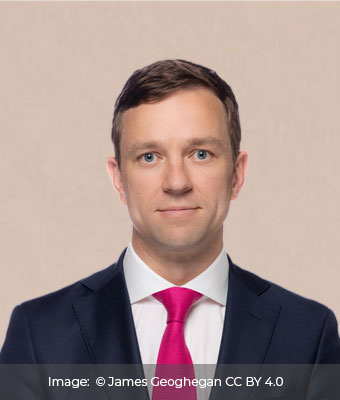
12. Deputy James Geoghegan asked the Minister for Tourism, Culture, Arts, Gaeltacht, Sport and Media if his Department could help support the Dublin city task force recommendation for a meanwhile-use strategy for privately owned lands in Dublin city centre to utilise the city’s vacant space for musical, artistic and cultural events, artists workspaces, community spaces; and if he will make a statement on the matter. [10058/25]
I wish to ask the Minister if his Department could support the Dublin city task force recommendation for a meanwhile-use strategy for privately owned lands in Dublin city centre to utilise the city's vacant space for musical, artistic and cultural events, artists' workspaces, community spaces, and if he will make a statement.
Gabhaim buíochas leis an Teachta. Go n-éirí leis mar Theachta Dála do Bhaile Átha Cliath. I hope he has a very enjoyable time here as a Member of the Dáil.
Our Department is a member of the interdepartmental group on the report of the Dublin city task force, which is chaired by the Department of the Taoiseach. This group is devising a roadmap for delivery of the recommendations contained in the task force’s report. The membership of the group includes Dublin City Council, which leads in the area of meanwhile-use in Dublin city centre. My Department will continue to engage with the council and other stakeholders to ensure that all opportunities for additional creative and cultural spaces are maximised.
The issue of meanwhile-use is a key action in the report of the night-time economy task force co-ordinated by the Department. This report is a cross-government report containing a number of actions across a broad range of issues associated with the night-time economy. The Department of Housing, Local Government and Heritage is leading an examination of the practical implications of meanwhile-use for planning and other legislative codes to enable the potential for buildings to be used for night-time cultural activities, as well as looking at alternative uses for those spaces by day.
Significant progress is being made in this area and this work will feed into the review of the planning and development regulations that has commenced following the enactment of the Planning and Development Act on 17 October 2024. Feedback from a stakeholder consultation process with relevant Government and sectoral stakeholders may also feed into the development of any plans for a strategy in Dublin city.
My Department also provides the funding for a full-time night-time adviser post in Dublin City Council as part of a network of nine night-time advisers across the country. The adviser has an ambitious plan, with funding provided by my Department and other stakeholders, to create a dynamic, inclusive and vibrant nightlife in Dublin city centre. Many of these priorities closely align with the priorities identified in the task force report, particularly in the areas of increased cultural activity, safety and accessibility. The adviser will continue to work with all stakeholders to ensure that this ambition is realised and will play a key role in supporting any meanwhile-use strategy for the city.
I will continue to work with Dublin City Council and all of the stakeholders to promote a more vibrant and sustainable night-time economy.
I thank the Minister, and I wish him well in his brief as well. I thank him for his reply. It is very encouraging to see both the alignment of the existing night-time strategy with the recommendations that were already in the Dublin city task force, and the emphasis that both the Minister and the Department have placed on the use of meanwhile-use strategies.
Ultimately, when we talk about the challenges in Dublin city around safety and security, it is not just a policing problem. Yes, we need more gardaí on our streets. Yes, we need more arrests, detections and prosecutions but everybody who works and lives in the city, and everyone who visits the city, recognises that the challenges for Dublin city are much greater than simply a justice problem. A big element of this is about giving people good reasons to come into the city.
A huge part of the cultural offering that Dublin can offer could be delivered through an aggressive meanwhile-use strategy, in particular by imposing on private landlords to use their vacant buildings for cultural uses.
I do not disagree at all with what the Deputy has said. There is a role for the public sector here as well. It is clear that not all of our public buildings are being maximised to the full potential that they have. Since Covid, we know that more and more people are working from home and we still have the same level of building space and one has to ask whether they are being used for their full potential. There is no doubt about it.
It is not just a night-time issue. If one speaks to anybody running a coffee shop or sandwich bar in Dublin - this is not just a Dublin issue; it is an urban issue across the country - they will say that they are facing massive challenges with regard to the changed working environment and what that means for their turnover. It also creates a question with regard to how we are using our space as property owners and whether it is being used to the most effective use possible. It should not be restricted to just the private sector, and I know the Deputy is not suggesting that either. The public sector has a big role to play in this. Certainly, as a landowner and property owner in the city, the State has a big role in it too.
One of the biggest examples of that would be the GPO itself. The task force report includes a recommendation that by the end of the first quarter of this year, decisions will be made on what use the GPO will be put to. More than 800 people used to work in that place. When they left that place, that reduced the number of people coming into an area of our city that has proven to be the most challenging when it comes to antisocial behaviour and crime. It is such an historic and beautiful building. There are so many uses that it could be put to. Yes, people from the Civil Service could be redeployed into that building, but there are some bigger ideas too, not least having elements of RTÉ or other museums move into that building. Does the Minister have his own thoughts as to how the GPO could be put to best use?
I agree with Deputy Geoghegan on this matter. Many derelict sites in this city could be used not just for artistic purposes but also for allotments. We need to look at that and ensure that, somehow or other, we incentivise those who are hoarding land in this city to make use of it. First of all it should be used for residential property, but if a project is delayed for a year or two, we should be able to find uses for these buildings and ensure that artists in particular can find the space, which they do not have at the moment, to practise their crafts.
I agree with Deputy Ó Snodaigh, which will not come as a shock to him. As a good Newcastle West man, I would have to agree with him. Dereliction is an issue that the local authorities have been empowered by this House for donkey's years to deal with. It is not just a Dublin city issue; there are derelict sites all over the country. Our local authorities have ample powers and access to money that they did not have before. It begs the question why they are not doing more. I said a while ago that the Minister for Health cannot know every thermometer in every hospital in the country. Councils are elected to deal with derelict sites in the first instance. They have powers and money and they should deal with it.
With regard to the GPO, I am a former Minister of State with responsibility for the Office of Public Works. The GPO is an enormous building and what is seen from the front is really only a facade. There is a massive building behind it and it has a huge potential. It is contained within the national development plan, and I would love to see it being a real driver of O'Connell Street. I stay on O'Connell Street when I stay in Dublin. It is quite sad at the moment and it needs the GPO as a lift in the middle. That will have to be planned with all parties as part of it. I hope we do not go down the road we went down previously when people were divided on other national monuments and things because the GPO is something on which we should not divide.
Meath na Gaeltachta
14. D'fhiafraigh Deputy Aengus Ó Snodaigh den Aire Turasóireachta, Cultúir, Ealaíon, Gaeltachta, Spóirt agus Meán an aithneoidh sé go bhfuil géarchéim ar leith ag cur le bánú na Gaeltachta mar thoradh ar easpa tithíochta; an ndéanfaidh sé dáta agus sonraí a thabhairt maidir leis an bplé deireanach a bhí ag a Roinn leis an Roinn Tithíochta, Rialtais Áitiúil agus Oidhreachta maidir leis na treoirlínte don phleanáil sa Ghaeltacht a bhí geallta faoin Rialtas deireanach; agus an ndéanfaidh sé ráiteas ina thaobh. [10184/25]
Tá an cheist seo dírithe ar cheist a d'ardaigh mo chomhghleacaí, an Teachta Conor D. McGuinness, cheana féin maidir leis an ngéarchéim tithíochta. Is é an chéad rud ná le haithint go bhfuil géarchéim ann. Má aithníonn an Rialtas é sin, cad atá na hAirí ag déanamh maidir leis an gceist seo? Chuala mé an freagra a thug sé níos luaithe, ach sa chás seo, céard iad na dátaí agus na sonraí maidir leis an gcaidreamh idir an dá Roinn le tamall de bhlianta anuas ó thaobh treoirlínte pleanála?
Cé go bhfuil tús feidhme fós le cur leis an Acht um Pleanáil agus Forbairt 2024,, is faoin Acht sin a thiocfaidh gnóthaí i ndáil le cúrsaí pleanála agus tithíochta sa Ghaeltacht sna blianta amach romhainn. Go príomha, is ag an Aire Tithíochta, Rialtais Áitiúil agus Oidhreachta atá an fhreagracht maidir leis an Acht nua seo, dár ndóigh. Faoi réir alt 29(1) den Acht nua, is gá go ndéanfar foráil i straitéis spáis agus eacnamaíoch réigiúnach chun oidhreacht teanga agus chultúrtha na Gaeltachta a chosaint. Faoin Acht reatha, cuireann údaráis phleanála a bhfuil Gaeltacht faoina gcúram acu iarratais phleanála chuig an Roinn - Roinn an Aire, an Teachta Calleary - i gcásanna go bhféadfaidís tionchar a imirt ar nósmhaireacht teanga na Gaeltachta dá gceadófaí iad. Déanann an Roinn aighneachtaí maidir leis na hiarratais seo de réir mar is gá.
Chun cur le héifeacht na reachtaíochta pleanála, cuireadh tús tamall ó shin le próiseas i dtreo treoirlínte nua a fhorbairt maidir le pleanáil sa Ghaeltacht. Tá cainteanna leanúnacha ar bun idir an Roinn agus an Roinn Tithíochta, Rialtais Áitiúil agus Oidhreachta ó 2022 ina leith seo. Tionóladh an cruinniú is déanaí ar an ábhar seo inné. Ar ndóigh beidh sé seo ag teacht faoin Aire, an Teachta Calleary, mar chuid dá chúraimí nua.
Bíonn teagmháil rialta idir na páirtithe leasmhara ag leibhéal sinsearach agus leanann an obair ar aghaidh chun na treoirlínte seo a thabhairt chun críche. Ach na treoirlínte a bheith aontaithe ag an ngrúpa oibre lorgófar tuairimí ón bpobal trí chomhairliúcháin phoiblí. Is fiú a lua freisin go bhfuil Údarás na Gaeltachta ag obair le páirtithe leasmhara chomh maith chun dul i ngleic le dúshláin éagsúla maidir le soláthar agus infhaighteacht tithíochta i gceantair Ghaeltachta.
Déanann sé sin beagáinín níos soiléire agus b'fhéidir beagáinín níos doiléire é. Thar na blianta, chuir mé an cheist seo ar an Aire go minic, agus, i gceart dó, thug sé freagra lom amach dom ar an gceist seo maidir leis an moill i gcónaí agus cuireadh an milleán ar an Roinn tithíochta. Ansin, chuir mé an cheist ar an Aire, an Teachta Ó Brien, a bhí i gceannas ar thithíocht ag an am, agus chuir sé an milleán ar ais ar an Aire. Tá sé ag dul siar agus ar ais agus b'fhéidir go bhfuil an t-ádh ar an Aire anois nach mbeidh na feidhmeanna seo air agus is féidir leis an Aire, an Teachta Calleary, an freagra céanna a thabhairt dom. Sin mar dealraíonn sé ag don dream atá ag féachaint isteach ar an áit seo - go bhfuil Aire amháin ag cur an mhilleáin ar an Aire eile. Sa deireadh thiar thall, dúradh linn in 2021 go mbeidh siad seo foilsithe sár i bhfad, agus anois faigheann muid freagra nua gach sé mhí. Cad é an dáta a shíleann an tAire a mbeidh siad foilsithe?
Mar is eol don Teachta, is é an tAire tithíochta an tAire a bhfuil freagracht don pholasaí tithíochta sa Dáil seo air. Tá an rud sin soiléir. Maidir leis an rud a rinne mé, tá a fhios ag an Teachta go ndearna mé mo dhícheall an cheist sin a réiteach nuair a bhí mé i Roinn na Gaeltachta ag obair leis an Aire, an Teachta O'Brien. Tá súil agam go mbeidh an tAire, an Teachta Calleary, in ann teacht os comhair na Dála go luath leis an Aire, an Teachta Browne, chun an cheist sin a réiteach. Níl aon amhras orm go bhfuil sé sin an-tábhachtach agus sa fhreagra a thug mé cheana féin don Teachta McGuinness ó Phort Láirge luaigh mé cé chomh tábhachtach is atá sé. Tá a fhios agam go bhfuil an tAire, an Teachta Calleary, ag obair ar an ábhar sin mar tá ceantair Gaeltachta i gContae Mhaigh Eo aige agus tuigeann sé cé chomh tábhachtach is atá an cheist seo.
Aithním go bhfuil spéis ar leith ag an Aire, an Teachta Calleary, sa cheist seo. Bhí sé ar an gcoiste nuair a bhíomar ag déanamh plé ar an gceist seo tamall de bhlianta ó shin. Tá súil agam go n-éireoidh leis. Is trua go bhfuilimid ag an stad ina bhfuilimid, go bhfuilimid trí nó ceithre bliana imithe ón uair a dúradh go mbeadh na treoirlínte seo againn. Ní thógann sé sin ón bhfadhb atá ann. Caithfimid bogadh air seo agus a bheith cinnte. In ainneoin nach mbeidh an dualgas seo ar an Aire, an Teachta O'Donovan, tá dualgas air mar is Aire Rialtais é. Caithfimid déanamh cinnte de go mbeidh sé seo ag tarlú, ní i gceann sé mhí nó sin, mar níl anseo ach na treoirlínte, ansin caithfear díriú isteach ar an údarás, ar Uisce Éireann agus ar na bainc nó aon duine chun an t-airgead a chur ar fáil gur féidir le daoine tithe a thógáil i gceantair Ghaeltachta.
Tuigim an ról atá agam faoi láthair mar Aire sa Rialtas, ach ag am céanna tuigfidh an Teachta go bhfuil an t-aonad Gaeltachta agus Gaelainne imithe ó mo Roinn. Níl siad ann. Tá an t-aonad ag obair leis an Aire, an Teachta Calleary. Níl aon dabht orm ach go bhfuil an tAire, an Teachta Calleary ag tnúth leis an gcéad uair ina mbeidh sé os comhair an choiste agus i dteagmháil leis na Teachtaí Ó Snodaigh agus Moynihan, leis an gCathaoirleach agus le pé Theachta eile a bhfuil suim aige nó aici i gcúrsaí Gaeltachta agus Gaelainne.
Swimming Pools
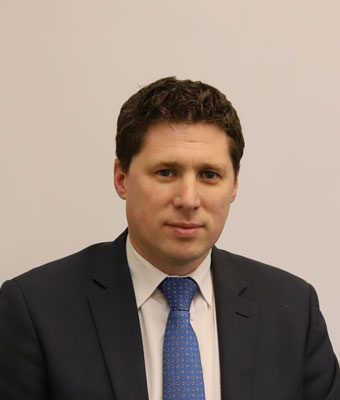
15. Deputy Matt Carthy asked the Minister for Tourism, Culture, Arts, Gaeltacht, Sport and Media the steps that Monaghan County Council should take to secure funding for a swimming pool in Carrickmacross. [10204/25]
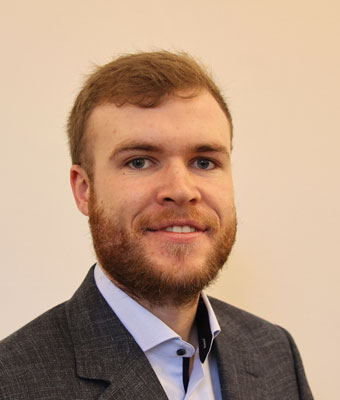
49. Deputy Louis O'Hara asked the Minister for Tourism, Culture, Arts, Gaeltacht, Sport and Media what assistance his Department can provide to support the development of public swimming pools in towns such as Loughrea, County Galway, where there is a need for such facilities; and if he will make a statement on the matter. [8895/25]
What support can the Minister of State and his Department provide to support the development of public swimming pools, particularly in the town of Loughrea in my constituency? The Minister of State might be aware that there have been efforts for some time to develop a public swimming pool there but there are challenges with funding to get this project off the ground.
I propose to take Questions Nos. 15 and 49 together.
I congratulate Deputy O'Hara on his election and thank him for the question. I know there is a similar question about Carrickmacross from Deputy Carthy. My Department operates two capital funding programmes for sport, the community sports facilities fund, formerly known as the sports capital and equipment fund, and the large-scale sport infrastructure fund, LSSIF. Capital support for new swimming pools is now provided through the LSSIF. Projects for new swimming pools and the refurbishment of existing swimming pools are eligible to apply for grant funding under the LSSIF subject to the published guidelines and conditions of the scheme. While the scheme is aimed primarily at national governing bodies, NGBs, and local authorities, it is also open to other bodies, including third level institutions, philanthropic funders, clubs and voluntary organisations to apply but such applications would necessarily have to be made and prioritised by a local authority or an NGB.
The total investment from the large scale sport infrastructure fund since 2020 amounts to €297 million, with 68 projects receiving funding allocations, including nine swimming pool projects. The second round of the LSSIF, which commenced in April 2024, received an unprecedented demand for funding, amounting to €665 million from 96 different applications. In November 2024, grants totalling €173 million were announced, benefiting 35 individual projects, so 35 of the 96 which applied were funded through that. It is noted that no application was received for Loughrea swimming pool, although I know there has been local discussion about it. A number of representations have come in from the local area and from Government representatives about the potential for a swimming pool there. I encourage any prospective applicants to review the scheme guidelines and key priorities included as part of the 2024 round of LSSIF as part of their preparatory process for a future LSSIF round. These documents are readily accessible on the Department's website. It is important to note that while those resources can serve as a helpful reference, any new guidelines and conditions associated with a future round of the programme may differ from the previous round.
Ireland's first national swimming strategy was published in August last year and sets out a vision to provide everyone in our country with an opportunity to swim. Its publication follows commitments made under the National Sports Policy 2018-2027 and the Sports Action Plan 2021-2023. A key focus of the policy is on providing improved facilities. Swim Ireland, as the national governing body for swimming, is currently undertaking an analysis of the type and nature of swimming pool ownership in the country and will publish a report outlining this in the coming period. This report will be central to the future development of swimming pool facilities. Regarding a new round of the LSSIF, I am committed to ensuring sustained investment in sports facilities to meet our ambitious goals for sports participation nationwide. The programme for Government commits to maintaining sports funding to get more people participating in all levels of sport, particularly targeting cohorts in society where there are lower than average participation levels, including people with disabilities and older people.
I thank the Minister of State. There is a huge need for this in Loughrea. There is no pool within 25 km of the town. The town itself has a population of 6,500, with a further 15,000 or so people in the hinterland. There are five schools in the town and many children who cannot access swimming facilities on an ongoing basis. We know all the health and wellbeing benefits that this kind of project can bring to people with disabilities, the elderly and everybody in the community. There are specific challenges for the swimming pool committee in Loughrea in accessing funding to get a project like this up and running. Significant funding is needed for the initial stages of project development. As it stands, the LSSIF requires a huge contribution from the local authority and it does not assist with project development. That is a particular challenge in County Galway because our local authority has serious funding issues. The Government has consistently underfunded our council. Will this be looked at and will a specific funding stream for pools be considered? A total of 35 out of 96 is not sufficient for the demand in our communities.
It is important that there is engagement locally and that the Deputy works with the local authority in Galway about how this can be stepped out. I know there was a recent meeting about it. I have been speaking with Senators Curley and Rabbitte and Deputy Dolan about it. It is important to engage with the local authority in its capacity to work with the local community to develop the project, and with Swim Ireland too, and to see the capacity of the local authority to help to step it out. A trend I have seen is that Opposition parties often put questions about the capacity of local authorities to do new initiatives, while at the same time, Opposition politicians take steps in local authorities not to take steps on local authority rates and the property tax, for example, which would give them the capacity to bring forward projects in the local area. That needs to be considered locally to give the capacity to bring projects forward. The Government will look to step out further funding to see swimming pools and other sports facilities developed under the LSSIF.
I welcome the Minister of State's willingness to engage with the local authority. Galway County Council has asked Government for support of €3 million to assist it in developing proposals for swimming pools, including project development, site design, and planning permission, to put it in a position to access capital funding. Will that be considered? Can that form part of the Minister of State's discussions with the county council? Like I said, Galway County Council is a particular case and raising the local property tax will not address the significant funding challenges that we have. On a bigger scale, we know that money is available. Investing in the health and wellbeing of our communities is a worthwhile investment. I ask the Minister of State to look at the specific case in Loughrea, to take the funding issues that the council has into account and to engage with it on that request for €3 million for development of facilities.
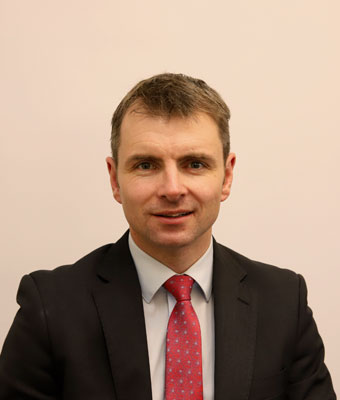
Comhghairdeas leis an hAirí agus ádh mór leo. The Minister of State spoke about LSSIF funding for those preparing for 2024. Is he speaking about those applications that are already in, such as from Drogheda United and Louth GAA regarding stadium builds which are on the reserve list? When will funding open again? I think this was meant to be an ongoing process because Dundalk F.C. was in a different circumstance at that stage. We know we need huge money for Oriel Park. That is about sustainability. I spoke to the Minister of State before about the issue of sports capital and Clann Naofa Boxing Club. It believes its application was lost. I will get the detail to the Minister of State. Could we find out what exactly happened? There was no contact with the club during the appeals process.
No application was received from Loughrea as part of the LSSIF funding round. It is important, in advance of the next round of LSSIF, the date of which we have not decided yet, that there is engagement at local level about how that project can step forward, working with Galway County Council.
It is not currently open. What we are doing is compiling a reserve list for all of those applications that did not get funding under the most recent LSSIF. As I said, there was €665 million worth of applications and only €173 million of those could be funded, so it was more than three times oversubscribed. A reserve list is being compiled for those and, unlike the position with the sports capital grants, there is a reserve list for the large-scale projects. It is important that at local level, working with Galway County Council and Swim Ireland where appropriate, the preparatory steps are put in place to ensure that, when the LSSIF reopens, it allows for applications to be made.
In response to Deputy Ó Murchú, there is no timeline for a new round yet but a reserve list will be compiled of some of those that were not successful in the most recent round.
Ceisteanna Eile - Other Questions
Question No. 69 taken with Written Answers.
Cancer Services
70. Deputy Peadar Tóibín asked the Minister for Health the number of persons diagnosed with cancer in the State in each of the past ten years; and the number of deaths from cancer in each of the past ten years. [9276/25]
The former Minister for Health, Stephen Donnelly, previously furnished me with data that showed the number of people diagnosed with cancer was increasing every year until 2020 when the pandemic hit. Then it went significantly down. This suggests that people's cancers went undiagnosed when significant elements of the health services were closed down in 2020. To what extent did this happen?
In 2013, there were just over 21,000 invasive cancer cases diagnosed in Ireland. By 2022, that figure had risen to 26,000 annually. Of course, the population grew very considerably in that time as well. That increase is in line with projections made by the National Cancer Registry Ireland. With a growing and ageing population increases in cancer cases are to be expected, with cancer being more prevalent as one ages.
While we are seeing more people being diagnosed with cancer, those people are living longer with and beyond cancer. When the concurrent national cancer strategy was published in 2017, there were 150,000 people living following a diagnosis of invasive cancer. That figure has now increased to 220,000. In 2021, there were almost 9,600 deaths from cancer in Ireland. In 2013, that figure was 8,700. While still too high, cancer mortality rates in Ireland are falling faster than the EU average, having fallen by 17% between 2011 and 2021, compared with the EU average of 12%. More than €105 million has been invested in the implementation of the national cancer strategy since 2017. This includes €23 million for cancer services in 2025. That investment has allowed us to recruit more than 670 new staff to cancer services.
This Government is fully committed, as I know everyone in this House is, to developing and improving cancer services. Our investment in cancer services is delivering better outcomes for patients. I will arrange for a table outlining cancer cases and deaths to be provided to the Deputy. I have to say that when I first looked at the data, I was quite struck. I had not realised quite how high the proportion is of people who are dying from cancer. Nevertheless, I take some measure of comfort from our falling mortality rates relative to the rest of the EU and the return that we are getting on investment where more and more people are living with and beyond cancer.
I look forward to the Minister sending the figures to me. In those figures we know there was a fall of 4,000 in the number of cancer diagnoses in 2020. These are the figures that were given to us by the previous Minister for Health. That fall in cancer diagnoses happened because the Government shut down significant elements of the health service. It stopped the cancer screening processes during that time. This led to a number of people not having their cancers diagnosed in time, and those cancers developed into much more dangerous cancers. What is the Government doing to try to catch up and make sure those individuals get the necessary treatment? I myself had cancer of the skin at that time. I delayed going to the doctor at the time because I listened to the Government's narrative that, unless you were seriously ill, you should not go to the health service. Thank God I was one of the lucky ones to survive it. I am trying to find out how many people died as a result of the delayed diagnoses that happened as a result of the shutting down of the health services in large part in 2020?
It is really important to look at where we are versus the rest of Europe in terms of the impact of the investment we deliver. The most important impact is that people are living longer and recovering from cancer and living with and beyond cancer. When we talk about investment, that is what we are trying to achieve. Of course we want to use the resources we have in a way that will deliver the best return on our investment for all of our people. I have spent some time on this. Report after report, whether it is the OECD country cancer profile or the EU analysis, shows that Ireland is doing better beyond its European peers in its cancer performance and mortality rates.
The Deputy is right that there were measures of delayed diagnoses during a period where the health system was shut down for the benefit of the broader community with a highly transmissible lethal virus that was killing many people in this country. The Deputy is right that there was an impact in that respect, but notwithstanding that, our cancer strategy is trying not just to address that but is also trying to make sure we are delivering on the additional services brought by the previous two strategies.
The Minister is right that Covid killed many people, for sure. Cancer also killed many people, for sure. We have not had a Covid inquiry yet so we do not know the effectiveness or net benefit in terms of saving people's lives of shutting down hospital services and stopping cancer patients getting treatment. The Minister mentioned survival rates. The National Cancer Registry shows Ireland has a breast cancer survival rate of 82%. Sweden has a 7% higher rate and Britain a 5% higher rate. It is not just about geography; it is also whether you use the public or private system. If you go by the private system for breast cancer, you have a 12% better chance of surviving for five years.
There are a number of things I would like the Minister to address and I understand she will not be able to do them all in this question but I want the Government to tackle what happened in 2020 and the effect it had on cancer sufferers. Also, why are we not as good as the likes of Sweden and England in terms of survival rates for breast cancer? Why is it the case that if you are on a low income and use the private sector, you are 12% less likely to survive over five years?
I am a supporter of the public health system. That is what I am trying to drive investment into. I would like to see everybody treated in the public system. That is what this programme for Government and this House is about. It is about Sláintecare and delivering the best service in the public health system. My concern is making sure that happens.
The Deputy has cited Sweden and the UK and it is important we do that. We want to be the best and for the people of Ireland to have the best experience. The Deputy is quite right to highlight where other countries are doing better. I am always interested in why and how that is happening. I always want to have the conversation about how we do this better. However, I also recognise the progress we are making. Our cancer mortality rates are falling faster than the EU 27 average and than our economic peers. Our EU country cancer profile in 2025 comments favourably on the measures taken to reduce cancer risk and prevention-----
Thanks, Minister.
Excuse me.
General Practitioner Services
71. Deputy Conor D. McGuinness asked the Minister for Health her views on the worry and deep frustration of families and individuals in County Waterford and across rural Ireland about the shortage of GPs and the consequent difficulties being experienced by many patients accessing timely GP care, especially in rural communities. [10113/25]
What are the Minister's views on the worry and deep frustration of families and individuals in County Waterford, and rural Ireland more generally, about the shortage of GPs, and the consequent difficulties experienced by many patients in accessing timely GP care, the distance they have to travel to access it, the delays in accessing it and the impact on their health and well-being?
I certainly understand the frustration and worry that comes with having difficulty in accessing GP services. That is not what we want. Timely and available access to GP services is critical to good healthcare. In rural and remote areas, in particular, general practice is often in a role of clinical leadership for patients for whom access to other services is farther away.
Being aware of this, and that the country as a whole needs more GPs, the Government has taken a series of measures in recent years - and is committed to continuing them - to increase the number of GPs. Significant investment in general practice has been made under the 2019 and 2023 GP agreements, which provide for increased fees and supports for GPs, including specific supports for rural practices, making general practice in Ireland as a career more attractive, I hope. The agreements also provide for new services for patients, including the GP chronic disease management programme, which is having a transformative effect on patient care. In addition, recruitment of GPs from abroad is ongoing under the international medical graduate, IMG, rural GP programme, with 114 IMG GPs in practice as of October last. Placement of GPs under that programme is targeted at underserved and, in particular, rural areas. Most important for the future, the number of GP training places available has been increased from 202 in 2019 to 350 last year, and that will feed through to an increased number of GPs graduating and entering practice.
I welcome the initiative of the University of Galway to develop medical and pharmacy education with a focus on the differences and additional challenges of delivering services in rural areas. It is appropriate and important that people are being attracted into that from an early stage.
The continued use of increased GP training places and GP recruitment under the international GP programme is committed to under the programme for Government, which also - I think we will come back to this - recognises the potential for using HSE-employed GPs in a variety of locations.
These measures are not being felt in the communities I represent in towns and villages from Tallow to Dunmore East, Portlaw, Dungarvan, Lismore, Cappoquin and Kilmacthomas. Capacity is not keeping pace with demand for GP services. Retirement, as I know the Minister is aware, creates difficulties and has created particular difficulties in west Waterford for people accessing GP services. The Irish College of General Practitioners said late last year that 25% of GPs currently working are aged 60 or over, so this problem will only get worse. There are significant barriers to young GPs entering practice, particularly in rural Ireland. They need to be faced down.
I put a parliamentary question to the Minister a number of weeks ago. The hands-off approach of the Department to, in particular, guaranteeing GP services to non-medical card holders, leaves an awful lot to be desired in rural communities including in my county, Waterford.
I echo the points made by my colleague. I visited with him a GP centre in Tallow, County Waterford. It has an application in for funding because the practice is too small and the space in the centre is not fit for purpose. We could see that ourselves when we visited. There is a need to progress funding for it. The same is true of the Cappoquin health centre. I got a phone call from the lead GP there last week. It was accepted as a GP training surgery. It has three young GPs. They have an application for funding in and they are telling me that application is not progressing as quickly as possible. These are two GP surgeries in rural towns with multiple GPs working from them contacting us as public representatives and asking us to intervene because they believe their funding applications are not progressing as quickly as possible. Will the Minister look at both of those and make sure they are expedited as much as possible?
I always thank Deputies for raising practical problems and barriers I can interrogate and investigate within the Department and HSE. I do not know the status of every application so I really appreciate it. I am informed by the Minister of State, Deputy Butler, who also serves the community in Waterford, that she met HSE Estates last week on the Tallow project, which is important. She will be keeping a close eye on the progression of that. She also informs me Tallow GP service now has four GPs operating. It is a small rural town and it needs the GP services but this is a welcome development and we will continue to work with HSE Estates.
The locum situation in Lismore has been resolved, with a permanent GP now in place, as is appropriate. The Department is working with several practices in west Waterford on their premises. There are plans for a new primary care centre in Lismore. We always want to hear about-----
Will the Minister have a look at the one in Cappoquin?
I will indeed.
It is over a year since we visited Lismore, so it is urgent.
To pick up on what my colleague, Deputy Cullinane, said about Cappoquin, this is a case in point. We are trying to get GPs into rural communities. This GP practice is seeking to become a training centre for GPs. Because of the delays with this, it is unable to do that. That is creating downstream issues.
Dungarvan lost a GP to retirement a number of years ago. I, the Minister of State, Deputy Butler, and others worked very hard to get appropriate care for many of that GP's patients. Many of them have been forced to travel significant distances, including people who are ill, older or infirm. We need to grapple with that. How can we ensure there are GPs not just in our small towns and villages but also in larger towns so people can access GP care where they live? Key to that will be elements of Deputy Cullinane's landmark policy proposal published last year. Directly employing GPs within the health service is an important aspect.
I have not seen that for some time. It is welcome to see it.
It has not gone away.
The Government was making the same case during the election and continues to make the case for employing GPs through the HSE. It does not matter where an idea comes from. Let us just do it.
Deputy McGuinness referenced barriers in his earlier intervention and I did not answer him.
To be fair, the Government has tried to place a particular focus on rural supports. The 2023 contract is an example. Practices in receipt of rural supports receive the maximum rate of practice staff subsidies in a significant effort to reduce staff costs for those who will establish their own practice. They also receive the maximum rate for locum supports for leave taking. On new GPs, the Deputy is right that when a retirement happens it is very disruptive. As I said, the GP training scheme increased by 80% from 2019 to 2024 with 350 new training places and 346 new entrants commencing training last year, an increase of 21% on the previous year's intake of 286. The very crude replacement rate is estimated at a rate of one to three GP graduates taken on board for every GP retirement and we have that particular focus on rural GP training.
Question No. 72 taken with Written Answers.
Ambulance Service
73. Deputy Mattie McGrath asked the Minister for Health to review the current situation within the National Ambulance Service where emergency response vehicles have been removed from off-duty paramedics as such vehicles are perceived to be a benefit-in-kind and the impact this decision will have on response times to an emergency; and if she will make a statement on the matter. [9144/25]
I ask the Minister for Health to review the current situation within the National Ambulance Service where emergency response vehicles have been removed from the off-duty paramedics. Such vehicles are now perceived to be a benefit-in-kind, which is a strange situation that will have a huge impact on response times. As they are bad enough at the moment, I ask the Minister to make a statement on the matter.
I thank the Deputy. I have been informed in recent weeks that a benefit-in-kind liability was identified by the HSE for staff using the NAS response vehicles when travelling from home to work. A review is under way in the National Ambulance Service, which it is hoped will be concluded in April. The National Ambulance Service took the prudent step of informing relevant staff members of a potential benefit-in-kind liability that may exist in 2025.
The Deputy will appreciate that the HSE must comply with Revenue Commissioners regulations, like everybody else, in relation to what may be considered a potential personal use of a publicly-owned vehicle. The National Ambulance Service is also preparing to seek a ruling from the Revenue Commissioners in the matter.
It is important to clarify that the response vehicles highlighted by the Deputy are not patient-carrying vehicles and that is a really important distinction. The vehicles in question are rapid response vehicles for authorised NAS staff to respond to an incident in support of an emergency ambulance while on duty but they are not patient-carrying ambulances or patient-carrying vehicles.
The decision taken by the National Ambulance Service, pending the ruling by the Revenue Commissioners that has been sought, does not impact on the National Ambulance Service emergency ambulance provision. I emphasise the Government's commitment to investing in our National Ambulance Service, with an allocation of €285 million in 2025. That includes €8 million new service development funding, with a full year investment of €16 million in 2026, to deliver up to 180 additional posts this year.
The National Ambulance Service is badly broken and the Government must intervene here to try to ameliorate this situation. It has been doing a wonderful job. The paramedics are not, as the Minister said, driving an ambulance or patient-carrying vehicle - we know that - but they are normally the first people to arrive to an accident or incident. In many cases now, when they are driving their cars, they have to pass the scene of the accident or emergency to pick up the ambulance and come back. That valuable time is lost. Often there are only minutes to spare - seconds, in some cases - to revive or stabilise a patient. This is a farcical situation.
We know there are huge issues with ambulances and burnout of the staff but this is something that came in a few years ago in a blaze of glory. It has been successful. How come it was not benefit-in-kind until now? In my own area and areas I know where they have them at home, they are not a huge benefit but they are there and they do not have to go to the hospital or ambulance base to pick them up, which could be 20 miles away. It makes no sense whatsoever. Surely, it can be dealt with in some other way so they have the fastest response time. That is what they are meant to be; a lead response before the other ambulances arrive.
I thank the Deputy and of course, I clarify for the benefit of others watching and not for him in respect of the patient-carrying vehicle. I know that he knows this but perhaps others have not been as involved in this issue as his good self.
This review was prompted by the National Ambulance Service itself. It undertook a review in September 2024 of the procedures governing the out of hours use of official response vehicles. It identified a potential benefit-in-kind liability. It is much better and more prudent to have taken that approach rather than to find out after the fact that it had been done wrongly and a liability had accrued. It is a precautionary measure and it has sought a ruling from the Revenue Commissioners.
We all have to comply with the rulings of the Revenue Commissioners. The NAS has sought such a ruling and the review of the scale of the use of response vehicles for out-of-hours incidents is being examined. The results of that review will be presented to the HSE in April 2025. I agree about the good work done but it has to comply with the rules as well.
I would accept this if it was about some other group of employees but these are dedicated, vital, fast responders. I salute the first responder groups - there is one in my own community - that do excellent work here. They do the work of the HSE and in some cases, they are supported by these particular paramedics who have these cars. They train with them and support them every which way. It is a reassurance that they are in an area. They have the blue lights so they can travel quickly to an incident or accident. If they go in their own car, they have to observe the rules of the road and they do not have blue lights which results in delays.
We are already crucified with delays and some people must wait three, four, five or six hours for ambulances, which come from Sligo to Clonmel and from Clonmel up to Roscommon. The whole thing is badly broken. This is the one area that was not broken; it was ag obair go hiontach, doing great work and working. Why change it? It was changed because Revenue may be an issue. Why do we not wait and see if it has an issue? We literally have taken these vital paramedics off the road. This is penny-pinching on a vital service. There are plenty of other areas to sort out the waste and issues in the HSE but not for these angels of mercy who can come so swiftly to an accident or incident.
I do not disagree with the Deputy one bit about the value of the service they are providing. The National Ambulance Service prudently is seeking a ruling on whether there is a benefit-in-kind liability and has informed people there may be a liability to put them on notice of that. We await a determination.
The review is useful more broadly because it will look at the scale of use of response vehicles for out-of-hours, as I said, but it will also determine the benefit and balance of the use of those vehicles out of hours compared to others existing out-of-hours or voluntary responses including, as we all know, the community first responder schemes. We have 300 of those schemes and 4,000 community first responder volunteers nationwide, which is extraordinary. We also have the NAS off-duty responder scheme, where we have 682 National Ambulance Service staff involved.
Pending the results of the review, the National Ambulance Service took it upon itself to inform people there may be a benefit-in-kind liability. Had it not done that, it would have been rightly criticised for being aware there may be a liability that would accrue to people and not having informed them. We await a ruling of the Revenue Commissioners on it.
Question No. 74 taken with Written Answers.
Health Strategies
75. Deputy Frankie Feighan asked the Minister for Health her plans to advance the women’s health action plan; and if consideration has been given to improvements in treatment for endometriosis in view of the fact that women have to travel abroad for surgery.. [9742/25]
I ask the Minister, in respect of the women's health action plan, what are her intentions and what are the plans, particularly when it comes to endometriosis, as it affects nearly 155,000 women in this country.
I thank the Deputy for raising this important issue, which has been a hidden difficulty for many women for many years. It is great to see it mentioned so freely in the Seanad yesterday and in the Dáil today. I thank her for raising it. It is estimated that one in ten women will be affected by endometriosis and although not all women will be symptomatic and not all women will experience it in the same way, it can be really debilitating for some women and our health service should support those women in every way possible.
Treatment for endometriosis ranges from everyday pain medication and hormone treatments to surgical interventions. Budget 2024 provided an allocation with a full year cost of €2.175 million for 2025, which brings the total investment for endometriosis care to more than €5 million since 2021. The development of a national endometriosis framework was announced in 2023 and the HSE has advised that framework is nearing completion. I know that women with endometriosis have a keep interest in seeing that framework, as they rightly should. The HSE is engaging with all stakeholders in its attempt to finalise the framework.
The clinical pathway for endometriosis care spans primary, local and specialist hospital care. Not everybody needs specialist hospital care but for those who do, they absolutely need it. The model of care ensures treatment through supraregional specialist centres with a support network of five regional endometriosis hubs. The HSE has advised these sites are currently taking referrals and providing treatment pathways. The supraregional sites offer specialised care to more complex cases. It is a good thing to note that 1,150 new patients were seen across those sites in 2024, though I imagine there are more in need.
Personally, I am committed, as I know this House is, to fully implementing the Women's Health Action Plan 2024-2025 to continue to improve women's health outcomes and experiences.
I thank the Minister for the recognition of this very important issue. As she said, it has wide-ranging effects on women. Some can live with it day to day; others live in chronic pain. We have to highlight as well that many women have to go abroad in order to get some of the surgical treatment, so I welcome the fact that we will focus on this and get the surgical treatments for these women closer to where they live, because every mile they do is a mile in pain for them.
It is always important as well to recognise the debilitating impact that endometriosis can have on somebody's life, their ability to be at work or their ability to care for children. It is a serious condition that needs intervention. It is important to set out where the specialist centres are. There are supraregional ones in Dublin, in Tallaght and in Cork University Maternity Hospital. The five regional hubs are in the Rotunda, the Coombe, the National Maternity Hospital, University Hospital Limerick and University Hospital Galway. The idea is to try to provide interdisciplinary care to women experiencing endometriosis up to a moderate stage - for example, the cohort of women whose symptoms cannot be adequately managed in their primary care setting. All of those five regional hub sites are now taking referrals and providing treatment pathways for those women.
Medical Cards
76. Deputy Brian Stanley asked the Minister for Health if she will examine the threshold for full medical card entitlement for those over 66 years; and if she will make a statement on the matter. [8791/25]
I welcome the opportunity to put this question. I congratulate the Minister and the Minister of State beside her, Deputy Murnane O'Connor, on their appointments. It is the first time I have had an opportunity to raise an issue with the Minister in the Dáil, so I wish her the best of luck in her position. She has a big job ahead of her.
I want to raise with her the income threshold for medical card entitlements. We have not moved on this for years. It is causing problems. There are a great many people caught there without it who are in desperate need of it. We have the aim of getting to a universal health system but we are caught in this situation now and we need movement on it.
I thank the Deputy, and I look forward to working with him as we worked together on the public accounts committee.
Eligibility for a medical card is primarily based on a financial assessment, as the Deputy is aware, which is conducted by the HSE in accordance with the Health Act 1970. The HSE assesses each medical card application on a qualifying financial threshold. That is the amount of money that an individual can earn per week and still qualify for a card. It is specific to one's individual financial circumstances.
People under 70 are assessed under the general means-tested medical card thresholds which are based on an applicant's household income after deduction of tax, PRSI and universal social charge. Certain expenses are also taken into account. People aged 70 or older are assessed under medical card income thresholds which are based on gross income. However, those aged over 70 can also be assessed under the general means-tested scheme where there are particularly high costs.
I assure the Deputy that my Department keeps medical card issues under review in order to ensure the medical card system is responsive and sensitive to people's needs. Over the course of 2025, we will review the existing eligibility framework to clearly assess what is working well and to inform future policy proposals regarding the eligibility framework based on robust evidence. That is an important step towards delivering universal healthcare in Ireland.
I thank the Minister for her reply. I have another question about people of working age, or people under 66, as they are referred to in the question. This question refers to people over 66 years of age. I have deliberately phrased the questions that way because for people who are under 66, the income thresholds are €184 for a person who is single and €201.50 if you are over 66. The basic rate of social welfare is €50 ahead of that at the moment. For a couple, the figure is €266.50, and for a couple over 66, it is €298. I ask the Minister to picture this. For a couple with two children, €342 is the limit, the income threshold. I checked yesterday. I checked the HSE website and I double-checked on the Citizens Information website to make sure I had not got this wrong. It is a real problem for workers and families. The Minister indicated that she might review it. I ask her to go for it in the next budget.
Of course, every extension of eligibility means that we cannot do something else, and we have to try to get the balance right. In 2023, GP visit card eligibility was extended enormously. While that does not meet everything, if you have a GP visit card plus the drugs payment scheme plus, potentially, the long-term illness scheme, there are a lot of measures that the State is taking towards reducing your costs in different ways, and the combined effect is very significant. What I really struggle with is that while 430,000 people were estimated to be eligible under that expansion, as of 13 January this year only 38,517 GP visit cards have been awarded under that median income expansion. It is not as though we do not want people to take them up. As a result of that initially slow update, a media campaign was rolled out to encourage uptake in 2024, including radio ads, out-of-home ads and in-office screens. The other 400,000 people who are eligible for a free GP card might look at the income limits and see if they are eligible.
I thank the Minister for the reply. That is helpful because the GP visit card is welcome. We acknowledge that it is there. The figures she gave mean that, I think, about one in 12 people who are entitled to it have applied for it and got it, or one in 11 or something like that. Obviously, there is a big piece of work there for the Government and all of us to try to get the word out there on that. It is important that we get people into primary care and that we are able to treat them in primary care because many people neglect their own health due to health costs and they finish up with a more chronic condition in some accident and emergency unit. Obviously, that is not the place we want them to be. It is bad not only for their health and for outcomes but also for financial management within the HSE. We are supposed to be moving towards a universal health system under Sláintecare. As I understand it, we have less than two years left to do that. This is one thing we can do, but I wholeheartedly welcome the GP visit card. We need to go the whole way and we need to start moving up the income limits. I think the Minister will agree that a €184 income threshold in 2025 is just off the Richter scale. She mentioned the balance. The seesaw is tipped too much against those on lower incomes.
Again, yes, it is about getting a balance, and we want to extend eligibility and reduce costs as much as possible. The very last thing that I or anybody else in this House wants is somebody not getting medical care because of a question of cost. The Government has taken a range of different ways to spread the benefit it is giving to people in the broadest possible way in addition to medical cards. The GP visit card is one. I would love to see 430,000 people taking it up and using it when they need to use it, supplemented by the drugs payment scheme, supplemented by the long-term illness scheme, which I think needs review as well, supplemented by removing the public inpatient charges for children and adults, and supplemented by our extension of contraception. We are trying to reach different groups in the broadest possible way and reduce the cost of medicine and access to medicine. In addition, all children under the age of eight years and all people aged 70 and over are now automatically eligible for a GP visit card. On the basis that most of our primary care is attempted to be delivered through the GP and primary care network closest to home and getting the original access, it is a really important step. I encourage every Deputy to encourage their constituents to check if they are eligible.
Healthcare Policy
77. Deputy Paula Butterly asked the Minister for Health her plans to advance the women's health action plan, specifically in respect of County Louth; and if she will make a statement on the matter. [9741/25]
I wish to return to the women's health action plan, in particular when it comes to young women, specifically young women in County Louth. For far too long in decades gone by, women's health in this country was neglected and ignored, partly because women tend to take care of others ahead of themselves and also because men in general and the State in decades gone by have simply ignored women's issues and women's health and have tended not to ask us how we are.
Not only that, but when women do express symptoms, they have often not been listened to. That was particularly evident to me in the new funding we have given from the women's health fund to cardiovascular care in particular yesterday, where there was an acknowledgment of bias in understanding symptoms and the way in which women describe them. The implementation is ongoing for the second women's health action plan for 2024-25. Our goal is to improve health outcomes and experiences for women and girls nationwide, and that has been supported by additional investment of over €180 million.
Specifically, as regards County Louth, significant investment has been provided to Our Lady of Lourdes, Drogheda, for its maternity and gynaecology services, including the midwifery-led unit operational, with services extending to the community. Water birth services commenced in late 2023. Postnatal services are to be further developed in 2025.
Of course, it was one of the first hospitals to implement termination of pregnancy services. It has also had an ambulatory gynaecology clinic operational since late 2022. Within the Louth-Meath CAMHS service, two new advanced nurse practitioner posts have been approved specifically for eating disorders. This is a particular problem for young girls especially, as the Deputy has identified. Funding has supported the provision of free period products in buildings and facilities managed by Louth County Council. BreastCheck is also currently operating a mobile breast screening unit in Drogheda. There are 56 cervical screening contract holders in primary care in County Louth. I am committed to women's health action right across the country, but these are some specific examples. This is additional to women and girls in County Louth being the beneficiaries of the broader supports in relation to HRT yet to come and the cost of contraception supports.
I thank the Minister and welcome those updates. I turn my attention now to women in mid-life and older women in general. I have realised myself since I entered this Chamber and come down those very steep steps that my bones are tending to creak a little bit more than they were two months ago. There are programmes in the plan for bone health. This is a vital issue, especially for women in mid-life and older age. The term "older age" does not sit right with me as I advance towards it perhaps, but I would like to hear a little more about those plans, particularly for the women of County Louth.
In terms of my role as the Minister of State with special responsibility for older people, and the specific aspect in terms of women in the context of the issue raised by the Deputy, I am going to work with the Minister on the matter. More specifically, I am going to work on the issue raised by the Deputy regarding women moving into their older years. It is something I am very strong on and I will work with the Minister on the specific matter raised by the Deputy.
I also acknowledge the work being done on the cardiovascular health of women. As the Minister pointed out, the symptoms for women are not the same as those that present in men. Very often, we tend to ignore it. Through marketing, communication and just general acknowledgement these symptoms are different, we can definitely change the lives of many women across the country.
I launched three such research programmes identifying exactly that aspect, as well as identifying women who may experience particular risk factors through gestational diabetes or experiences during pregnancy or maternity generally that may be markers for cardiovascular difficulty in future. I also wish to highlight to everybody quite how easy it is to have an early marker check. Yesterday, I went through the horrid situation of having my blood taken and checked, which I despise. Nevertheless, it is a very useful process. I got the results 20 minutes later, which, notwithstanding some stress, were absolutely fine. The point is that they could just as easily have shown an early marker. Would we not much rather find out about an early marker for risk for the future? These are readily available to be done and I encourage everybody to try to spread this word, especially when it is women's health week. I thank the Deputy for her focus on women's health during this week.
Question No. 78 taken with Written Answers
Eating Disorders
79. Deputy Marie Sherlock asked the Minister for Health her plans to deliver on the previous Government commitment from 2018 to increase the number of specialist public eating disorder adult in-patient beds to 23; and if she will make a statement on the matter. [10127/25]
My question relates to the 2018 commitment regarding inpatient beds for those with an eating disorder. It is important to say there was a significant amount of hurt at some of the previous comments made by the Minister of State about the need for these beds. We met some of those suffering from eating disorders last week. The reality is that while we very much welcome an expansion of community care, there is a desperate need for an increased number of inpatient, specialist beds for those suffering from an eating disorder.
As the Deputy will be aware, eating disorders are complex, individualised and are and can be one of the most serious mental health illnesses anybody can go through. As Minister of State, I am firmly committed to improving services for eating disorders in Ireland. The national clinical programme was set up in 2018, and when it was set up it was envisaged there would be approximately 60 people who would require the supports of clinical eating disorder teams. The figure now stands at approximately 600 in the space of seven years. The programme has progressed very well. Some 90% of all people with an eating disorder are treated in the community. Quite rightly, therefore, a decision was made to focus the supports as much as possible in the community. We now have 14 of the 16 teams envisaged by the model of care funded. Eleven of them are in place and one of them actually moved into a new premises last Friday, while three of them are currently in the process of recruitment. Most teams, as I said, are fully operational and seeing people with eating disorders every day. It is also extremely important to point out that there are 100 dedicated clinicians working across all the eating disorder teams in the country, with ten psychiatric consultants. The progress being made is not being acknowledged at all. There was recurring funding of €9 million this year alone for eating disorder teams under this clinical programme. We have two more teams to fund and I hope to do that in next year's budget, with the support of the Minister. Under-18s can access 20 eating disorder beds across the four CAMHS inpatient units. This is very clear. I say this because this has been lost in translation as well. There are 20 dedicated eating disorder beds across four CAMHS inpatient units. Coupled with this, the majority of people presenting with eating disorders are, unfortunately, aged 14, 15, 16 and 17. I will respond during my next contribution concerning the adult beds.
I look forward to that response from the Minister of State concerning the adult beds. What I am hearing from the initial contribution of the Minister of State is that there is no intention to make good that commitment from 2018 regarding the 20 adult beds. The reality is that it is a very complex psychiatric condition. When we look at the data from the Health Research Board, it can be seen that eating disorders require the longest inpatient stays of all psychiatric illnesses. The reality in this country is that we have outsourced care for some of the most severe eating disorder conditions to the private sector and charities. Some 76% of inpatient admissions for eating disorders are to private facilities and private charity providers. Quite a number of people have to go to England. Now, that is shameful in this day and age. We also know the number of those concerned, especially for the under-18s, has increased by about 43% in a short period between 2019 and 2023 in respect of those requiring inpatient stays. I welcome the 20 CAMHS beds, but there need to be an awful lot more. We do not have sufficient provision for people with eating disorders in this country now.
Some of the Deputy's information is inaccurate. I have put a major focus on eating disorders. Just to be clear, no child under 18 has had to have treatment abroad since 2019. This is because we now have-----
We now have the-----
Please let me answer. We now have the nasogastric tube feeding, which is available in the Eist Linn centre in Cork, in the Linn Dara unit and in Merlin Park. Unfortunately, this is a feature associated with an eating disorder, but we do have this provision. For the past six years, we have spent €1 million annually treating some very complex cases abroad. We also spend money every year on supporting adults with eating disorders in private facilities in Ireland. This is a fact. In relation to the beds issue, I had a review undertaken of all mental health bed capacity. It has taken place and is currently under consideration by the HSE. This includes a review of data on eating disorder bed use in the HSE, in the approved centres, and in private placements and treatment abroad.
When are we going to see that review? We have been waiting for these beds. They were promised quite a number of years ago now, but we have not seen them. It is good that there is a review, but we need urgency on it. The reality is there are too many people in this situation. It is simply unacceptable that the State is spending money on sending people suffering with this condition abroad. We need to be providing for these individuals here. This is particularly the case given the length of inpatient stay required for many of these individuals.
Many people choose to use the treatment abroad scheme themselves. They actually choose to use it. We have to be fair. People do choose to use the treatment abroad scheme.
No, they do not.
I am expecting-----
All the people I have spoken to did not choose to-----
Does the Deputy want me to answer her question or does she want to heckle me? It is up to her.
The Minister of State without interruption.
I expect to receive a plan from the HSE regarding future eating disorder bed provision very shortly. Yesterday, I met Dr. Michelle Clifford, clinical lead, and Dr. Amir Niazi, national clinical adviser and, on Monday, I met Bernard Gloster, the CEO of the HSE, to discuss this specific issue. I have had four priorities since I was reappointed. I thank the Minister for my delegated functions this week. These priorities include the CAMHS waiting list, the adult beds and the Mental Health Bill 2024, which I hope to bring to Committee Stage in the Dáil next month.
In relation to the eating disorder beds and the Deputy's earlier comments, what I said was that the review was specifically looking at the fact that 90% of all eating disorders are treated in the community and we may not need the 20 beds.
That is the whole purpose of the review and the report on it, which I await. The spread of the beds will be geographical; they will not just be located in Dublin.
Question No. 80 taken with Written Answers.
Primary Care Centres
81. Deputy Naoise Ó Cearúil asked the Minister for Health for an update regarding the proposed primary care centre in Maynooth; and if she will make a statement on the matter. [10050/25]
Ar dtús báire, guím gach rath ar an Aire. I wish the Minister well with her new brief. We have seen the success of primary care. I look to my home town of Maynooth, which is yet to have a primary care centre. I have been calling for this for a long time. The population of Maynooth is 17,000, on top of which there are 14,000 students, as I mentioned previously, and a projected population increase of 10,000. We are looking at a town of around 31,000 without a primary care centre. Will the Minister update us regarding the proposed primary care centre in Maynooth?
I thank the Deputy for allowing me to update the House on this matter. Significant consideration has been given to developing primary care centres for both Maynooth and Leixlip. Since 2015, while several site locations for a primary care centre in Maynooth were explored, no suitable option has come about. As a result, a larger primary care centre will be built in Leixlip to serve both the Maynooth and Leixlip populations and their surrounding areas. However, and importantly, as part of that plan, the HSE will continue to deliver health services locally from the Maynooth health centre which will serve as a satellite and complementary unit to the larger north-east Kildare primary care centre in Leixlip. The development of the larger primary care centre in Leixlip has some advantages for service users which include access to a larger multidisciplinary team and the co-location of both core services and the enhanced community care programme community specialist teams in a larger and improved clinical space. It is welcome news that we are moving forward with more services in that region generally. A schedule of accommodation is being finalised with a view to the HSE tendering in the second quarter of 2025. I recognise that the population is growing in Leixlip and Maynooth. I welcome the HSE's commitment to continuously review infrastructure in those areas in conjunction with Kildare County Council. I examined the location, distance and public transport routes between Maynooth and Leixlip to best understand how people would access the more significant service that will be available in Leixlip. I am aware that Maynooth continues to grow. It was the original intention to have that facility there. A number of issues have been thrown up in that infrastructure process that give me pause as Minister for Health as to how we will deliver better infrastructure around the country.
I welcome the news about the primary care centre in Leixlip. As the Minister mentioned, it will be a significant investment by the State and a significant primary care centre in Leixlip but bear in mind that the whole idea of primary care is accessibility, that older people, young families and mums with children can walk down to a primary care centre and receive care in the community. I ask the Minister, as she stated, to continue the review. This goes back as far as 2015. It is now ten years on and no real progress has been made for a primary care centre for north-east Kildare. While it is positive that there will be a primary care centre in Leixlip, for a town the size of Maynooth - it is the same in south County Dublin, Dún Laoghaire-Rathdown, Louth and Meath - there need to be primary care centres. It is not good enough that towns are combined for primary care.
I could not agree with the Deputy more. The intention was to do this in Maynooth. Several site locations for the Maynooth area have been explored since 2015 within HSE and State capital, but with no success. The important point is that the HSE applied for planning permission to develop a primary care centre on the site of the current health centre in Maynooth and it was not approved. The HSE had to seek planning permission to turn a health centre into a health centre, and it was not approved. I have a serious commitment to developing health infrastructure in this country. I want to deliver the services that I believe Maynooth and everywhere else needs. I am serious about the infrastructure guidelines and how we have to go about doing things. It will hamper the delivery. I am not trying criticise planners or their decisions - I appreciate that every application is different - but there was a need for a site in Maynooth, planning permission was applied for to turn a health centre into a health centre and now we have to do it in Leixlip.
The Minister has hit the nail on the head. There was a site where a health centre was to be changed into a health centre, which is ludicrous. There is a wider argument around planning, particularly how one arm of the State speaks to another. That is a wider question. I welcome that there will be a primary care centre in Leixlip. I will continue to work with the Minister to try to find an alternative site in Maynooth. I appreciate all the work she has been doing in increasing primary care throughout the country.
I am well aware of how much the town of Maynooth has grown in population and in its need. The best we can do is make sure that the Leixlip site is delivered and services are available there, that services in Maynooth are also delivered to the extent possible and that the broader community has access to both centres. I thank the Deputy for his question. There is no lack of commitment in relation to Maynooth, just this direct problem which I hope we do not continue to have. We will have to figure out a way around it, otherwise we will not get anything built.
Questions Nos. 82 to 86, inclusive, taken with Written Answers.
Mental Health Services
87. Deputy Martin Kenny asked the Minister for Health if a mental health information database CAMHS consultant has been recruited to the children's disability network team for Sligo, Leitrim, south Donegal and west Cavan; if there are adequate supports for this role; and if she will make a statement on the matter. [9505/25]
I submitted a question on the issue of the MHID CAMHS consultant, but it was wrongly interpreted as referring to a "mental health information database" consultant rather than a "mental health intellectual disability" consultant. The intellectual disability service is required. We raised the issue in the Chamber several times of a child called Maggie in Drumshanbo, County Leitrim, who was referred to the intellectual disability team, which has not existed. The first person recruited - the consultant - to that team was recruited last November and only stayed a week because there were no services other than herself. Now, they are trying to recruit somebody else. This question is about intellectual disability teams and services.
I thank the Deputy for his question and for his clarification. Can I clarify the question number?
It is Question No. 87.
The question relates to the mental health intellectual disability teams, which are different from other teams because they are very small. There may be nine or ten people on an eating disorder or CAMHS multidisciplinary team, for example, but mental health intellectual disability teams can normally, believe it or not, be made up of just one person and some staff to support them. I am disappointed to hear that the person referred to by the Deputy left after a week. This is part of the clinical programmes under CAMHS. There are several clinical programmes. CAMHS received approximately €160 million in dedicated funding in 2024, an increase on €137 million in 2023. We also provided funding of €110 million to various NGOs, with a significant proportion dedicated to supporting young people. Due to how the question was posed - we understood it referred to an "information database" - the prepared answer is not sufficient for what the Deputy is actually asking about. There is investment across all clinical programmes this year, including eating disorders and mental health with intellectual disability. Is the Deputy's question about when that position will be filled again?
The CAMHS issue is an issue across the country. The Minister of State mentioned that it is one of her priorities. I will provide a second example in respect of CAMHS. A family's GP sent a letter to CAMHS to refer a child who needed to get into CAMHS. They received correspondence stating that there was no clinical lead for the CAMHS post in CHO 1, which covers Leitrim, east Sligo and west Cavan. The GP received a letter back saying that the child could not get a place in CAMHS and could not even be put on the waiting list to go into CAMHS. This is the situation across the country, but it is particularly acute in the Sligo-Leitrim region. There is no CAMHS service for any child. The principal in the local school in Ballinamore wrote to me regarding this. They had a child who also needed a referral but was informed that there is no access for the child to go to CAMHS. The letter, which came back to the family, said that if the child's mental health situation deteriorated, they had to go to the accident and emergency services. That is totally inappropriate. The Minister of State has said that this is her priority, but nobody sees that priority on the ground.
Did that child have an intellectual disability as well?
No.
The Deputy is saying "There is no CAMHS service", but that is factually incorrect. There were 223,000 appointments last year for children-----
I will get the letter for the Minister of State.
No, no. To be fair, there were 223,000 appointments for young people with CAMHS last year.
Some people who are receiving the support of CAMHS can be in CAMHS for up to four years, for example, and can be seen on a two-weekly basis. I cannot comment on that individual case but we are investing €160 million this year in CAMHS. There are over 80 consultant psychiatrists working across CAMHS. I am not saying there are not challenges because there certainly are but we are investing in CAMHS. If the Deputy wants to give me the specifics, I will look at the case because his question did not lend to a proper answer being provided, as I am sure he will appreciate.
I will come back to the Minister of State with the specifics in respect of the case but the truth is that there are thousands of children across the country who cannot get access to CAMHS. I appreciate that there are more people being recruited but it does not meet the demand or come anywhere near meeting the demand. In team one in the Sligo, Leitrim region, the CAMHS team has no clinical lead. Having no clinical lead means that when a GP refers a child who needs a service, he or she gets a letter back saying "Sorry, there is no service. Go to accident and emergency." If the Minister of State thinks that is a good service being provided by the Government, then she needs to cop herself on.
The Deputy should realise that the clinical lead position is funded and the HSE is currently trying to recruit into it. It is not the case that it is not being funded. The Deputy should not give the impression that we are just leaving one particular area of the country without any support because we are not.
The reality is that it is without support.
Is féidir teacht ar Cheisteanna Scríofa ar
www.oireachtas.ie
.
Written Answers are published on the Oireachtas website.