Special Educational Needs
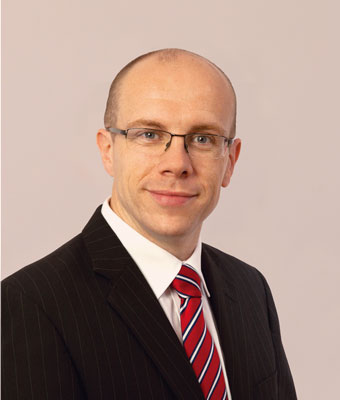
1. Deputy Darren O'Rourke asked the Minister for Education and Youth the number of children with additional needs who require but have yet to receive an offer of an appropriate school place for September 2026, based on her most recent meeting with the National Council for Special Education, NCSE; the date of same; the measures she is taking to ensure that every child with additional needs has an appropriate school place for September; and if she will make a statement on the matter. [54456/26]
I wish the staff and the Minister all the best for the summer. I know it will be a busy summer but I hope that everyone gets a break. I ask the Minister to state the number of children with additional needs who require but have yet to receive an offer of an appropriate school place for September 2026, based on her most recent meeting with the NCSE; the date of that meeting; and the measures she has taken to ensure that every child with additional needs has an appropriate school for September.
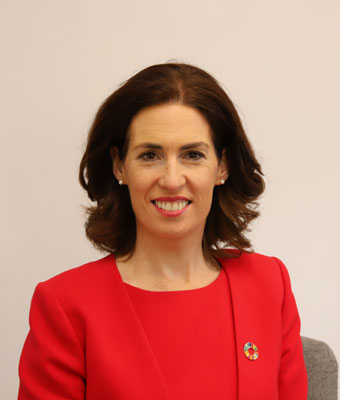
I thank the Deputy for his comments and I too wish everyone well over the next couple of weeks.
An estimated 25% of students, or approximately 240,000 children and young people, have special educational needs. While the majority are supported successfully in mainstream settings by their class teacher, special education teachers, SET, and special needs assistants, SNA, as necessary, there remains an increasing need for special class and special school places for children with more complex needs.
The parents notify process has played a key role in forward planning, supporting the delivery of 584 new special classes, the establishment of four new special schools for the coming 2026-27 school year and expanded capacity in existing special schools. The National Council for Special Education has verified that some 7,860 children and young people who were notified to them by 1 October 2025 are eligible for a specialist place for the 2026-27 school year. The NCSE continues to work with families where children have come forward since then, to secure appropriate placements. NCSE data indicates there is sufficient overall capacity to meet identified demand. However, the Department recognises that places may not always arise in a preferred school or locality. The NCSE is actively engaging with these families to identify suitable placements. Approximately 7,000 of the 7,860 students have a diagnosis of autism and, given there are generally adequate places for students with other diagnoses, the focus is on new places for children with autism. NCSE data shows that approximately 75% of those who came forward by 1 October are already enrolled in school.
As in previous years, students without a school place are prioritised for access to specialist placements. My Department receives regular updates on placements and the Minister of State, Deputy Moynihan, meets the NCSE every week. I have regular engagement with the NCSE and the Minister of State met its representatives as recently as yesterday to monitor progress.
The Minister finished on the bit I am interested in and that I specifically asked about,. What was the latest weekly update? The information the Minister has just given me was previously provided to the House on 23 April. It is now 16 July. Does the Minister have any additional information to provide to the House as of this week?
There is weekly engagement with the NCSE. Since January, 584 special classes have been sanctioned for the upcoming school year. That includes 68 inclusive classes. Of the 584 new special classes, 378 are being established in primary schools and 206 in post-primary schools. This brings the total number of special classes sanctioned to date to over 4,300. The NCSE continues to work with families and schools on this. As we know, there may be more children throughout the year who will need specialist placements. The NCSE is working proactively with them in relation to that.
Again, we have those figures from a briefing we had with the Department as recently as yesterday. It is all welcome progress but the question I am asking today is what is the unmet need as things stand? How many children do not have an offer of a school place? How many children have an offer of a school place but it will not be ready for September, in terms of advancing of works? It has been reported in the media this week that an extremely high number of children will not have a place for September. Many of them are taking legal cases. The Minister can confirm or deny that. I am providing her with the opportunity but she has not done it so far.
A huge amount of work is being done on securing specialist places, be it in special classes or special schools. We are far ahead of where we were this time last year. We had a budget for 400 special classes. I got increased funding in March of this year. We are ahead in relation to forward planning. There are now 584 special classes allocated. This is far more than any previous years because of the parent notify system, on 1 October. I brought that forward again this year. This enabled the Department to forward plan even better for when I go into budget negotiations for September 2027. A huge amount of work is happening with the Minister of State, Deputy Moynihan, and me. There is sufficient overall capacity to meet identified demand. There is a pathway for children to receive a specialist place or supports within mainstream settings. As I have said, about 25% or approximately 240,000 children and young people have special educational needs and the majority of them are supported in mainstream settings but the focus and priority will be on children who do not have a place and are coming into the primary school system or moving from primary to post-primary, for example.
Youth Work Supports
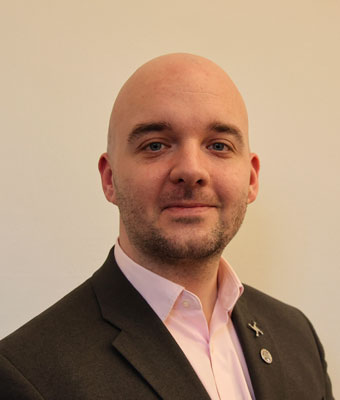
2. Deputy Aidan Farrelly asked the Minister for Education and Youth if she will provide an update on the commitment in Opportunities for Youth: National Strategy for Youth Work and Related Services 2024-2028 to produce a workforce development strategy; if an advisory group has, or is intended to be, set up; the terms of reference for the group; if pay and conditions are to be considered as part of the strategy; if she intends to publish the findings of the surveys and consultations undertaken to date to inform the strategy; and if she will make a statement on the matter. [53905/26]
I ask the Minister to provide the House with an update on the commitment with regards to Opportunities for Youth: National Strategy for Youth Work and Related Services 2024-2028.
As Minister for Education and Youth I am committed to supporting the workforce in the youth sector to deliver high-quality youth work and non-formal developmental opportunities for young people. Action 7 in Opportunities for Youth: National Strategy for Youth Work and Related Services 2024-2028, commits to developing a workforce development strategy in respect of the youth sector. This is to include consideration of training needs and the requirement for high-quality, accessible and inclusive youth work services and opportunities.
The Department has engaged extensively with youth workers and managers in youth organisations and is aware of the recruitment and retention challenges being experienced in the sector. This engagement included completion of a workforce survey and employer questionnaire. These were followed by 11 regional, in person and online consultations. The data captured from the consultation period will inform the development of the strategy. Important data from the consultation include: the high level of job satisfaction in the sector; learning and development opportunities; the challenging recruitment and retention environment; the varying youth worker pay scales; different contract types; and details on average and median youth worker pay. Profile data on youth workers was also captured, including their qualifications, length of employment, age range, gender and ethnicity. It is important to highlight that this is the first time this information has been sought and received from the youth work sector.
It is important to highlight that this is the first time this information has been sought and received from the youth work sector and that will establish critical baseline information for us for the development of the strategy. To support the development of the workforce development strategy, a workforce advisory group will be established. My Department is working in partnership with the National Youth Council of Ireland to agree the role of this group, including its membership. It is intended for the advisory group to have its first meeting in September.
I thank the Minister. If she will indulge me, it is very rare I get the opportunity to speak about my life experience prior to being in here but I have been a youth worker for about 16 years or the guts of three Dáil terms. The day before the general election I submitted my PhD thesis, which was on professional youth work. It asked youth workers many of the same questions that were asked afterwards by the Department. I will happily share the findings with the Minister.
Youth workers, in the main, are very satisfied but equally they are very concerned about what the future looks like because we are losing good youth worker after good youth worker to other sectors who can offer more. They can offer more in terms of pay and remuneration but also the burnout associated with the occupation is really difficult.
When the Minister says that advisory group is going to meet in September, who makes up the membership of that? The information the Minister's Department has collected is golden with regard to the sector. Will the Minister publish the findings of that survey? It would be really useful information.
I thank Deputy Farrelly. I would be very happy to receive that information. It would help our data collection and make sure we are getting a really good picture of the youth work sector across the country. The work that has been under way within the Department is to try to get that profile, to really understand our youth work sector and to get feedback from them.
The first advisory group will have its first meeting in September and the terms of reference of that group will be finalised once the group is established. My Department is working in consultation with the National Youth Council of Ireland to agree the role of that group. The workforce survey data will be shared with the workforce advisory group in the first instance to inform its work in overseeing the development of the strategy. The workforce data will also accompany the strategy in the publication. So, it will be published.
While the subject of the pay and conditions of the sector has been raised through consultations, they will not directly form part of the strategy. As the Deputy knows, youth workers are not employed by my Department. They are not public servants and funding is allocated on the provision of service spaces to meet the needs of the youth population in an area. The employment of the staff, including youth workers, is a matter relevant for youth organisations and services.
It is acceptable that data will be shared with the task force in September but I ask that it be shared more widely once the terms of reference have been agreed. It would be really useful for the academic sector and for those who are in the market of training and professionally qualifying youth workers in the field.
I have been around long enough to have seen youth work move from Department to Department. The only conclusion I can come to in terms of analysis is that the Minister has a real opportunity in her Department to map out what the future of youth work looks like, and not just for the young people. We are consistently talking about the issues facing young people and how youth work is often a response to those issues. Actually, youth work is an occupation and profession that is one of the best jobs to have but we need to make sure the landscape is there for budding youth workers to go through appropriate professional qualification programmes and that the job will fulfil them not just from a rewarding job perspective but also from a financial perspective and from the perspective of promotions and so on, right through their 20s, 30s and 40s.
I wish that group the best. I also wish the Minister's Department the best in its endeavours with that and I thank her again.
It is very fitting that youth has moved into the Department of education. It is a good fit. I have met with many youth organisations across the country since I was appointed and they seem very happy with the formal education and the informal education. I have witnessed the huge expertise on the ground. This is the data we want to collect and there is a willingness there and an appetite for training as well. As the Deputy knows very well, it is so important we have the right skill set in our youth services across the country, dealing with children and young people and with trauma, and making sure we have the best, which we do, and that workers are accessing the training they require.
For example, in response to some of the calls from the sector, a bursary initiative was established in June to support eligible youth workers and youth work managers to undertake the three-year MA qualification in community and youth work, part-time, in-service programme in Maynooth University. Also, the workforce advisory group will regularly update the nation youth sector reference group, which is also currently being established. That group will include representatives from across the youth sector, including academics and youth representatives, and will support a balanced and transparent input from across the wider sector.
School Staff
3. Deputy Darren O'Rourke asked the Minister for Education and Youth if her attention has been drawn to the fact that Ireland has the largest primary school class sizes in the EU; the measures she is taking to address the recruitment and retention crisis in primary school teaching; if she will provide for 1,000 more primary teachers in budget 2027 to allow more individual attention, more effective teaching, and stronger support for pupils with additional needs and those from disadvantaged backgrounds; and if she will make a statement on the matter. [54457/26]
This Government is committed to improving staffing levels in primary schools and supporting the recruitment and retention of teachers. According to the latest published data from November 2025, there were more than 97% of allocated primary teaching posts filled. Teacher numbers at primary level have increased by almost 6,000 since 2019 and now stand at the highest level ever recorded at over 43,400.
The Government is investing a record €14.1 billion in education and schools through budget 2026. This record level of investment has enabled significant progress in tackling educational disadvantage and supporting children and young people with special educational needs to achieve their full potential. Funding has been provided for 860 additional special education teachers across special schools and mainstream settings, together with more than 1,700 additional special needs assistants.
Budget 2026 also includes an additional €48 million full-year investment across both the DEIS strategy and the DEIS plus scheme. That provides more teaching positions and more staffing and supports for schools as well. That DEIS programme will benefit approximately 30,000 children and young people attending DEIS plus schools as well as one in four children across schools in the DES programme.
Under the programme for Government, there is a commitment to reduce the general primary pupil-teacher ratio to 19:1 over the lifetime of the Government and to introduce targeted measures for schools with very large class sizes. This builds on substantial progress already made. The primary staffing schedule has improved from an average allocation ratio of 26:1, five years ago, to 23:1 for the current school year, which is the lowest ever at primary level. Average class sizes have fallen from 24.1 to 22.2 pupils, while the overall pupil-teacher ratio improved from 15:1 in 2019-2020 to 12.8:1 in 2023-2024, which is comparing favourably with the OECD average levels.
I thank the Minister. She said from November that 97% of posts were filled. In real terms at the same time, 996 teaching posts were unfilled, which is almost 1,000. Figures as recent as last week tell us that over 39,000 primary school students were in classes of 30 pupils or more in the past school year. A figure of 36,805 were in classes of 30 to 34 pupils and 2,237 were in classes of between 35 and 39 pupils. That is simply incredible in 2026 in Ireland and it has a direct impact on the type of attention children can get in the classroom. It is as simple as that. It is also contributing to the burnout for teachers.
I did not hear the answer in her initial response and maybe the Minister will provide it in her next response. Is it her ambition to move on the pupil-teacher ratio in this budget cycle and will she provide for 1,000 primary school teachers?
It is an absolute commitment in the programme for Government to reduce the pupil-teacher ratio over the lifetime of the Government. The Deputy will appreciate I cannot announce anything here in the Dáil. I have to go into negotiations in relation to the upcoming budget.
In the past ten years there has been a five-point improvement to the primary staffing schedule. In 2015, teachers were allocated to primary schools at a general average of 28 pupils for every one teacher. This is now reduced to 23:1.
Lower thresholds are in place for DEIS urban band 1. That includes DEIS plus schools. We have 17:1, 21:1 and 19:1 for junior, senior and vertical schools respectively. A three-point reduction in retention thresholds assists schools in retaining existing staff. As the Deputy knows, there are over 43,000 teachers employed in our primary schools. This is an increase of over 9,000 teachers at primary level in ten years. I understand the importance of ensuring that every child gets access to their special education teacher and all of the supports required. That is obviously ongoing work with me and the Minister of State, Deputy Moynihan, in the context of this upcoming budget. I hope to put in place more measures to support our schools right across the education sector.
It is a statement of fact that in recent years we have seen a reduced number of classroom teachers. Budget 2026 led to the removal of 498 classroom teachers, a net reduction of 381 when one looks at the gains. The year 2025-26 saw a reduction of 290 and 2024-25 a reduction of 237. That has a real impact.
I can give the example of Lismullen National School. I hope to correspond with the Minister directly in relation to Lismullen National School, if she is agreeable. Parents have written to me. Next year, there will be a class of 36 and parents, as the Minister would herself, are identifying the challenge that will present as regards the type of support that is going to be available for their children, the type of attention and schooling opportunity, and also for the teachers involved. I would appreciate the Minister considering this issue.
It is my ambition to have 1,000 extra primary school teachers and I will strongly be making the case for that in the Sinn Féin budget. I ask the Minister to do the same in her own negotiations.
There is a number of issues here, such as the staffing appeals criteria. The numbers going into primary schools are reducing and our population bulge is in post-primary. That is a reality of the way trends are going. There is a staffing appeals circular, set out in Circular 0025/2026, and it includes specific appeals for small-school enrolments in the previous October, involving projected enrolments, accommodation difficulties and where there may be language support. The primary staffing appeals board operates independently of myself and the Department.
Mainstream appeals posts are allocated provisionally on the basis of the school achieving the required appointment and retention figures in the coming September rather than the previous September. The appeals board considers the circumstances of the school in deciding if a teaching post is warranted a year ahead of the normal staffing arrangements. The appeals board held meetings in May and June and it will meet again in October. Schools will be notified of the closing date for applications to appeals boards in early September but I take the Deputy's overall point in regard to the pupil-teacher ratio.
Question No. 4 taken with Written Answers
School Curriculum
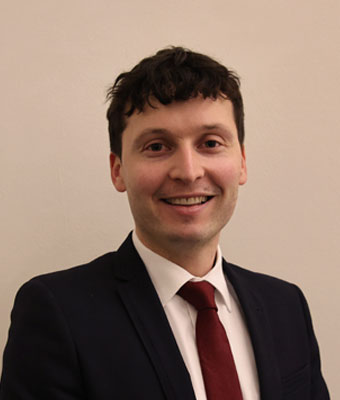
5. Deputy Paul Lawless asked the Minister for Education and Youth the arrangements in place for parents and parent representative organisations to raise concerns directly with her Department regarding the national education curriculum and provision of educational resources; and the frequency with which she personally meets with such bodies. [54436/26]
What arrangements are in place for parents and parents' representative organisations to raise concerns directly with the Department regarding the national education curriculum and the provision of resources such as books, etc.? How frequently does the Minister meet with these organisations, stakeholders and parental bodies?
The National Parents Council, NPC, is the representative body for parents of children in primary and post-primary education. It serves as an important channel of communication between parents and my Department. Annual funding is provided to support its work, including €765,782 in 2025. The National Parents Council represents parents’ views on education policy, curriculum reform and educational resources, ensuring that parental perspectives are reflected in policy development, implementation and decision-making.
The NPC is on the primary and post-primary education forums, which support the planning and sequencing of change across the school sector. The National Parents Council is also a key stakeholder of the National Council for Curriculum and Assessment, NCCA, and its advisory structures, ensuring that parents’ perspectives inform curriculum development and related resources across early childhood, primary and post-primary education. In addition, the NCCA facilitates parental participation through surveys, written submissions, consultation events and focus groups. It represents parents on a wide range of Department-led groups, including those relating to special education, senior cycle redevelopment, DEIS, anti-bullying procedures, student and parent supports and disability participation and consultation.
The NPC is also on the convention on education, ensuring that parents’ views are reflected in national discussions on the future direction of education in this country. My Department has also engaged with the National Parents Council on the development of the Education (Student and Parent Charter) Bill.
I met with the National Parents Council in March of this year. In addition, both the parents council and individual parents may raise concerns directly with me and my Department regarding the curriculum, educational resources and other education matters. This direct engagement helps ensure that parental views inform policy development and decision-making at national level.
Confidence in our education system depends on quality resources but parents remain seriously concerned about inappropriate material that is being promoted in our schools, libraries, etc. Concerns have been raised in relation to the book What's the T? by Juno Dawson, which contains sexually explicit material and was promoted to children by Children's Books Ireland and RTÉ. It received significant publish backlash, and rightly so. It has been reported that a teacher raised concerns with the Department in an email back in March 2023, and indeed the former Minister for justice, Charlie Flanagan, raised this personally with the Minister's predecessor in December 2023. Despite those concerns being raised, the book remained recommended as a good resource for children.
Very plainly, what has the Department done since this controversy broke? What review has happened? Can the Minister outline to the House the results of that review, if it took place at all?
I do not know exactly what the Deputy is asking me in relation to the Department of education. I do not know if it is a book used in schools but, so the Deputy understands how it works, in regard to schools that use textbooks or other teaching and learning resources, that is a matter for the individual school. Decisions around materials are made at a whole-school level. Textbooks are commercially produced and my Department does not endorse publications, products or services from individual, commercial or other providers. Any concerns regarding material included in specific textbooks should be raised with relevant publishers.
From an education point of view, I have absolute confidence in our teachers. There is a huge amount of training and supports. We have Oide, which has in-service days. We have curriculum reform and a huge amount of consultation and training happens around that. It is always age-appropriate and I think schools are very well aware of any issues that parents may have and parents may come and talk to schools directly. We have a very good track record in relation to that.
Is the Minister aware of the controversy surrounding the What's the T? book by Juno Dawson? Is she aware that the book was promoted by Children's Books Ireland? That is very important.
The idea that the Minister would say she is basically not responsible is, I believe, questionable. She is the Minister for education; the buck stops with her. For her to say she is not responsible is unacceptable, in my view. The Minister has such an enormous responsibility for the children of this country and if it is the case that there is inappropriate material being promoted to children, she actually is responsible and it is her job, I believe, to make sure that never happens again and that there are robust processes in place to make sure no child will be subjected to sexually explicit, age-inappropriate material in our schools and libraries and promoted by Children's Books Ireland and RTÉ.
I will repeat it for the Deputy. In regard to our schools, I come from a teaching background myself. I do not know exactly what the Deputy is inferring in relation to the education system.
Is the Minister aware of the What's the T? book?
I have not read that book but what I can tell the Deputy in relation to our education system is that, be it social, personal and health education, SPHE, or relationships and sexuality education, RSE, there is a huge amount of consultation between schools and parents.
With regard to the NCCA as our curriculum is developed, there is huge amount of consultation. Our teachers are so well trained in this country to make sure that when they are engaging in SPHE, for example, they are ensuring that all of our children are in a safe and supported environment within our schools and that any lessons are age appropriate. Where parents have concerns, they can approach and contact their schools. I know of cases where parents will reach out to schools and where schools will actually hold information nights for parents in advance of, for example, a SPHE lesson so that they were very aware of what their children are going to be taught in relation to any particular sensitive area but it is always age appropriate. We always have to make sure that our schools are inclusive, that we support our young people and that they feel safe and supported.
Pupil-Teacher Ratio
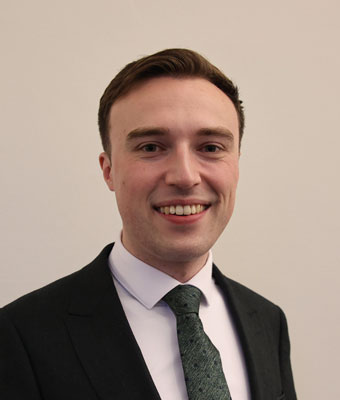
6. Deputy Ryan O'Meara asked the Minister for Education and Youth to outline her plans to reduce the teacher-pupil ratio in primary schools to 19:1, as per the programme for Government commitment, and if she will make a statement on the matter. [54419/26]
What does the Government intend to do to meet the programme for Government commitment to reduce the pupil-teacher ratio in our schools to 19:1?
The Government is investing a record €14.1 billion into education and schools through budget 2026. This record level of investment has allowed the Government to invest in tackling educational disadvantage and supporting those with special educational needs to achieve their full potential. It has enabled huge investment in the school buildings programme, in curriculum reform, in school leadership and in continuous professional development for teachers.
Under the programme for Government, there is a commitment to aim to reduce the general pupil-teacher ratio at primary level to 19:1 over the term of this Government and introduce targeted measures in schools with very large classes. This will build on the progress that has been made by the previous Government. The general average of pupils to teachers in the primary staffing schedule improved from 26:1 five years ago to 23:1 for the current school year. Average class sizes in primary schools have improved from 24.1 to 22.2 through the investment we are making in schools.
The Department’s primary staffing schedule is the key factor for determining the level of staffing resources provided at individual school level. This school year, the primary staffing schedule operates on a general average of 23 pupils to every one teacher, which is historically the lowest ever ratio of pupils to teachers at primary level. More favourable ratios are implemented for DEIS urban band 1 schools.
The numbers employed in our schools have now reached the highest ever level. Teacher numbers at primary level have increased by almost 6,000 between 2019 and 2025. This has led to a steady improvement in both the pupil-teacher ratio and in average class size statistics during this period. I am very conscious of the primary staffing schedule and the need to prioritise teacher allocations in primary schools. I am considering how best to make further progress as part of the annual budgetary process in reducing the primary pupil-teacher ratio in the context of that programme for Government implementation.
I acknowledge the work that was done by the previous Government in reducing the pupil-teacher ratio. Good work was done and, to be fair, in the last budget, good work was done in respect of the capitation grants to schools and that needs to be recognised. It was a huge issue this time last year, particularly at the Oireachtas education committee. The pupil-teacher ratio is key and we have committed very clearly to 19:1 by the end of this Government. I will highlight some data that has come out of the Department in recent days. A total of 39,000 students in the country were in classes of over 30 students for the 2025-2026 academic year. One school in particular in Tipperary - St. Peter and Paul's CBS in Clonmel - actually had 38 students in one class in the academic year just gone, which realistically is twice what the programme for Government says it wants class sizes to be, so I reiterate that very important call for the reduction to 19:1 over the course of this Government.
Where we can, we give guidance and I know schools are very well aware of this. They do this well themselves so that where possible, the more junior classes would have a lower class size. Where there are higher numbers in some classes in many schools, one will find other classes within the school that would have lower numbers to accommodate for that earlier, so that the junior classes would have lower class sizes where possible but I hear the concerns highlighted by the Deputy.
I am very aware of our commitment in the programme for Government on this. Prior to 2016, teachers were allocated to primary schools at a general average of 28 pupils for every one teacher. In budget 2016, we improved that ratio by one point at 27:1. In budget 2018, we further improved it by one point to 26:1 and in 2021, we improved it by a further point to 25:1. In addition, there has been a three-point reduction in the retention schedule and that schedule assists schools that would otherwise be at risk of losing teaching posts, so this measure helps to better ensure teacher retention in primary schools while also ensuring that fewer pupils are required to retain or to recruit a teacher.
The ask from this budget from the INTO is very important - 1,000 additional teachers - to help us reduce class sizes for every child to give him or her more attention, to support inclusive education, to meet growing pupil needs, to ease the workload pressure and potential burnout for teachers facing those very high numbers within the classroom and to bring stability to school and strengthen leadership. Coming from a rural constituency, I acknowledge a lot of those rural schools that are struggling at the moment to maintain their two, three or four teachers because they are always faced with the threat of losing one because they are just barely over the number at the moment. Those additional teachers will help with that. We need to fill the posts that are there, of course. However, hiring those additional 1,000 teachers will certainly help with our key commitment. It has been done step by step but this year's budget will be very important step towards that key figure of 19:1.
We have more favourable ratios as part of our DEIS urban band 1 schools. The Deputy heard me announce the DEIS schools earlier this year, so there are measures for children and students who are most at risk of educational disadvantage. We have been reducing the pupil-teacher ratio incrementally over the years and that is something I want to continue over the lifetime of this Government but, as the Deputy can appreciate, I cannot go into detail on any budgetary decisions because I have yet to have my meetings with the Department of Public Expenditure, Infrastructure, Public Service Reform and Digitalisation. I have to look at the whole of the education budget, making sure that we are supporting children with educational needs, reducing the burden on our leadership teams within our schools, because I hear those concerns around burnout very clearly, and looking at ways of listening to the stakeholders on what we could do to ease the pressure on our schools so they can focus more on teaching and learning, which is what they are all there to do, notwithstanding the administrative necessities required in our schools.
Military Neutrality
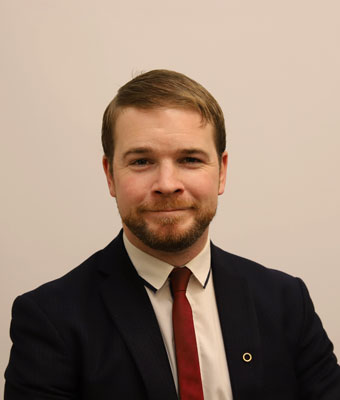
116. Deputy Donnchadh Ó Laoghaire asked the Minister for Defence to outline her proposals to remove the triple lock neutrality protection; when she intends to bring forward a Bill; and if she will make a statement on the matter. [54261/26]
The triple lock neutrality protection is deeply valued by the Irish people. It was the basis on which the Irish people were encouraged to vote for European referendums, on the basis that the Irish people value their neutrality and an independent foreign policy. The Government proposes to get rid of the triple lock. It is not reform; it is not change - it is getting rid of the triple lock. Ultimately, a Government that commands a majority will be in a position to deploy troops to any international force as it sees fit. There is growing concern about that, including in these Houses. I ask the Minister for an update on the legislation.
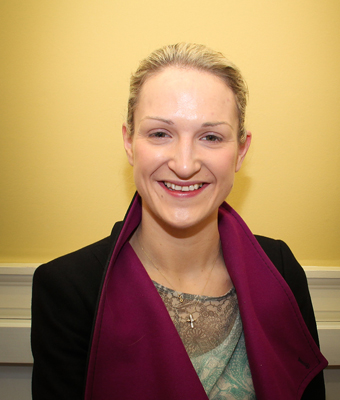
I appreciate that we have had these discussions on a number of occasions. I look forward to debating this as the legislation comes through the Houses. It is important that we have these discussions, and that we have a debate as to what exactly is in the Bill, what is not in the Bill and what the intention of it is. I appreciate that there are very strongly held views on this matter, so I appreciate this opportunity to discuss it prior to the Bill moving forward.
I want to be clear on what the Bill does not intend to do. It is not to remove Ireland's military neutrality. As a Government, we are very clear that the purpose is to adjust and amend the Defence Act so we can continue to either dispatch our Defence Forces personnel for service outside of the State, or make sure they stay part of the peacekeeping missions they are currently part of. We know that is being impacted at the moment because of the triple lock. This is not to remove our military neutrality or to align us with any other military force. This is to make sure that we can continue to deploy our service personnel, our men and women of Óglaigh na hÉireann, overseas for peacekeeping missions.
Government approval for the text of the Defence (Amendment) Bill was received on 9 June. The Bill was published on the Oireachtas website and will be progressed through the Houses of the Oireachtas as quickly as possible. Obviously, we are on the last sitting day, but my intention is that we would bring it to the House as early as possible in the new term. While the precise timeline will depend on the schedule, my intention remains to see the legislation enacted and commenced at the earliest opportunity. We had said initially it would be by the end of this year, but I intend and hope to move it as quickly as possible.
The principal reform proposed in the Bill is the removal of the requirement for a United Nations Security Council mandate as part of the existing triple lock mechanism. The two other elements are a Government decision and the approval of Dáil Éireann, so it is not just for any Government and would require the approval of Dáil Éireann. That will remain in place. It is the Government's view, and very much my view as well, as I have outlined previously and am again happy to do so today, that the current arrangements allow the permanent members of the UN Security Council - the UK, Russia, China, the US and France - to effectively veto any new mission or potentially close down a mission, as has been the case. I do not believe that any other country should have the ability to constrain Ireland's sovereign decision-making through the use of a veto or the threat of a veto.
No other country had a vote on the Defence Acts in the 1960s. No other country had a vote on the Defence Acts in 2006. No other country will have a vote on this Defence (Amendment) Bill. It will be decided here. These are the tests that we set sovereignly in this Parliament. That is all about it. All of this craic is neither here nor there. These are our decisions about where we see fit to deploy Irish personnel. That is ultimately what this is about.
All the objects that the Government talks about achieving, such as that the world is changing or we need to invest in our defence, are not prevented by the triple lock. We should invest in our defence. We should be strong on neutrality and strong on defence. I absolutely agree with that. The Minister talks about the need to ensure that Defence Forces personnel have the ability to deploy internationally and are not prevented from participating in rescue missions. I have no problem at all with head No. 7. Actually, most of the legislation is fine. It is just head No. 8 that is a fundamental problem and a fundamental change. That is recognised by the Minister’s coalition partners, or at least all apart from two or three at the top of that political party. They are very concerned because they know this will potentially constrain our ability to have an independent foreign policy as it undermines our neutrality. Perhaps the Minister might conclude that it does not end it in the final assessment, but it does undermine it potentially.
I would ask the Deputy a number of questions. First, does he trust Óglaigh na hÉireann? Does he trust our Defence Forces? If he does, then he trusts them to make the decision.
The triple lock, as amended, will ensure-----
It is not their decision; it is our decision.
No. The Deputy should listen to me. If he trusts the Defence Forces-----
I do trust them.
-----to make a recommendation, because that will still be included in this, they will make a recommendation to the Government and will assess the type of mission we are talking about in the way they currently do. Does the Deputy trust the people of this country to elect the people they want to be elected?
I do.
Does he trust them to make that decision? That is how we democratically form a Government here.
The triple lock, as amended, would ensure that we have recommendations from Óglaigh na hÉireann, which knows what it is doing and has for decades deployed its troops on peacekeeping missions. These are troops that we respect. We know they are highly trained and well respected across the world. They will continue to make those recommendations under the amended legislation. It would then be put to this House for us to decide, as democratically elected people who form Governments in a democratic way, unlike in certain other countries, including Russia, that currently have a say in how we deploy our troops. We would then make the decision and there would be oversight.
There is nothing here to suggest that we are going to start sending troops off to war. It would be under the exact same status as the current peacekeeping missions. Deployment would have to be recommended by our Defence Forces. It would have to be approved by people who are democratically elected in this country, not the likes of Russia or China or anybody who should not have a say in how we deploy our troops.
The Minister said it would be on the same basis as it is currently, when that is plainly not the case. She is getting rid of the requirement for a UN mandate.
I will tell the Minister who I do not trust. I do not trust the likes of NATO-aligned organisations such as Partnership for Peace. Frankly, given the trajectory of their political positioning on the Middle East, there are many people at the top of the EU that I do not trust in terms of their foreign policy objectives, given the cover they gave to Israel in recent years in the context of the genocide. I do trust the Defence Forces and I do trust the people of this country.
I ask the Minister whether she trusts the people of this country to make the decision. If she does, why does she not put the matter to a referendum, given that this was the basis on which many people were asked to vote in the Nice and Lisbon referendums? This matter was central to those referendums.
The Minister knows quite clearly-----
The triple lock is not in our Constitution.
-----that the decisions in the Lisbon and Nice referendums were based on things such as the Seville Declaration. I expect that many people changed their minds because they were given reassurances. Those reassurances are now disappearing into dust because of the policy of the Government.
This is why we need this debate. To be quite frank, we are talking about amending legislation. The triple lock is not in our Constitution. Our treaties are in the Constitution. The triple lock was never part of our Constitution. We were a militarily neutral country before we voted for the treaties and before we introduced the triple lock. We will continue to be a neutral country. The attempt to suggest that we need to have a referendum to change our Constitution for something that is not in our Constitution is trying to thwart what the actual debate is here.
We are very clear, and if one looks at the legislation-----
It does not have to be in the Constitution to have a referendum.
On what? A referendum is to amend the Constitution.
It is not.
This is not in the Constitution.
That is a constitutional referendum.
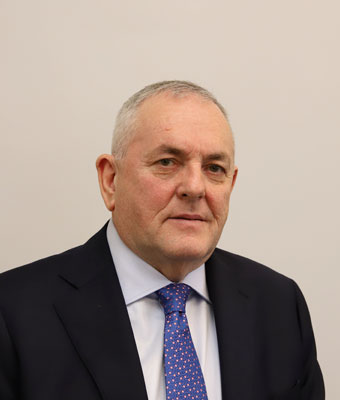
Please, Deputy Ó Laoghaire.
There are other kinds of referendums. Of course there are.
The Minister should continue.
The world has changed. I trust-----
Let us invest in our Defence Forces and ensure we deploy on UN missions.
This is the debate we will have. The Deputy can shout things-----
We must move on to the next question.
I do have time and must say that the world has changed. The people I speak to recognise that the world has changed.
So do we.
The people I speak to do not like the fact that Russia has essentially removed, or will remove in the coming months, all our peacekeeping troops from UNIFIL, where we have been for decades. That is because of the triple lock. That is what we are trying to amend and adjust, not anything else, contrary to what is being suggested here.
Tribunals of Inquiry
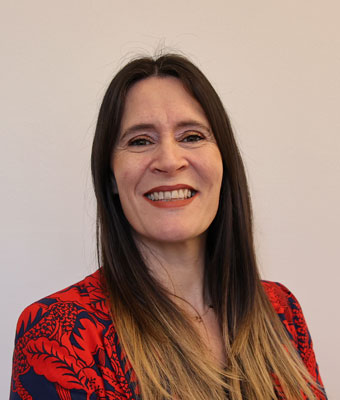
117. Deputy Sinéad Gibney asked the Minister for Defence if her Department is satisfied with the level of support being provided by the Department to witnesses from the Women of Honour participating in the Defence Forces tribunal, with particular regard to one-to-one support provided before, during and after testifying; and if she will make a statement on the matter. [54533/26]
I look forward to coming back to the topic of the triple lock in a few questions' time.
I have read with extreme concern the reports over the past week on the lack of support provided by the Department of Defence to Women of Honour, whose members are participating in the Defence Forces tribunal. I absolutely understand that it is important to guarantee the independence of the tribunal and I also understand that limited supports are in place, but it is vital that we listen when victims of abuse within our Defence Forces tell us that what is in place is inadequate, especially when, in testifying, they are reliving some of the most difficult moments of their lives. Will the Department commit to providing additional, one-to-one, customised support for those testifying in the tribunal?
I thank the Deputy for raising this matter. I have met a number of the women from the Women of Honour. I have met them in my Department and in different manners or at different meetings. I have nothing but respect and admiration for each and every one of them. I fully appreciate and have no doubt that what they are going through now is retraumatising for many of them. I have no doubt that their having to tell their stories and experiences time and again is very traumatic and difficult for them. That is why, when I met them earlier this year, I did so with the ambition of assisting and providing them with whatever support I could before the tribunal started. The Deputy is right that the tribunal is independent. It is important that we allow the process to take its course. My intention in meeting the women and listening to their concerns was to put in place whatever supports we could. I thank the women because some of what was said to me at the meeting was very difficult for anybody to have to relay again.
We discussed the need to provide counselling supports. Different mechanisms were being put in place but we were asked whether we could do more than that. Following the meeting, I engaged immediately with my colleague Deputy Jennifer Carroll MacNeill, the Minister for Health, and asked her whether she could put in place a structure, similar to what we have had under other types of tribunals or inquiries, that would provide a counselling service to members of the group who have been or will be attending the tribunal. This is separate from some of the things that have been put in place.
The HSE has said that the service is now set up if there is anybody who wants to engage, and that it is willing to provide this support. This has been relayed. An engagement mechanism and supports are ready. A specific package of counselling measures has been set up for the tribunal once the information that has been requested from the group is received. If there are individuals who feel they are not getting the support they need, there is a mechanism in place. Once we know who they are, we can identify what support is required. I appreciate that they will not necessarily tell me who they want to work with, or who they are engaging with or supporting, but we do have to get that information to be able to pass it on.
There are a number of other supports available to serving and former members of the Defence Forces, and I can touch on them in the next answer.
I appreciate that the Minister has taken the time to listen to victims and survivors, and I appreciate her respect and admiration. I share her respect and admiration for the very difficult thing these women are doing. I completely understand that the tribunal is beyond the scope of the Minister's remit and this House. However, psychological and pastoral support for those giving testimony has been provided by the Department to a limited degree and it should continue to provide it.
When survivors of abuse are saying the support is not adequate, it is vital that they are listened to and appropriate action is taken. When the supports are not in place, we limit participation in what is an incredibly important process. It is appalling to me that, instead of any active referral or support, many have described receiving a list of numbers and emails for various charities, one of which does not even provide clinical mental health services. That is absolutely unacceptable.
I commend the courage of Women of Honour. I commend the courage of those who are testifying. We know that, for survivors of abuse, recounting what has happened to them can be extremely retraumatising. We need to be able to support survivors throughout that.
I thank the Deputy. I fully agree.
What I want is to make sure that people are proactively engaged with and supported and that they are not handed a list requiring them to go off and try to find support themselves. That is exactly why I met with the Minister for Health and asked that there be something specific and tailored to the tribunal. I have already asked my officials to re-engage to make sure that, if there is information needed by the HSE so that what I have described can happen, and if it is not happening, it should be provided immediately.
Like the Deputy, while I am aware that the tribunal is independent, I am very much conscious of what we are seeing in the media every day. We are hearing the testimonies and seeing people having to relive some of the most traumatic times of their lives. I am very conscious of this, so I have asked my Department to reach out and make sure that if there is a gap where information has not been provided or cannot be, it addresses it.
There are other supports. There is Lena support by Inspire, which is a 24-hour external confidential helpline and counselling service. This is a matter of referral or appointment. There is both telephone and face-to-face counselling, so there are a number of different options. Separately, there is the Organisation of National Ex-Service Personnel, which is funded through the HSE and includes counselling and a 24-7 service.
If there is a gap here, my intention is to address it.
I am glad to hear that intention. I request that the Minister keep my office up to date on how her office is dealing with this. I am aware that some of these supports are in place, but, as was reported a few days ago, several people who have gone through this have said that, while giving evidence, the only assistance offered to them if they became distressed was the opportunity to pause proceedings and have a glass of water.
While an employee assistance programme like Inspire, which the Minister referred to, is good to have, it is not an adequate support for someone who is testifying on their abuse. The answer to someone testifying about their abuse for hours and needing support should not be to ring a number and have to retell their entire story. If help is not being made readily available, if it is not easy to access, and if survivors are saying it does not meet their needs, action must be taken.
Those participating in the Defence Forces tribunal are doing so in the interests of justice and truth and to ensure that this level of abuse never happens again. We all benefit from the maximum possible participation. I am concerned, on foot of these reports from participants, that we are allowing a situation where people feel they must stay silent to protect their own mental health. We need to do everything we can to avoid that.
I fully agree. For any tribunal or inquiry, particularly where we are talking about such sensitive information and such traumatic experiences, people must be trauma informed. That must absolutely be the case. We have been assured that those who are involved and who are engaged with the tribunal have been trauma informed and trauma trained. The type of training that has been provided was outlined at the public hearing on 16 June. I am committing to ensure that if there are gaps or issues, we will make sure that where the HSE support service that has been set up through the Minister, Deputy Carroll MacNeill, following our engagement, is not getting to people and they feel they only have the lines that were made available at the beginning, we will try to rectify that. It is my intention to ensure that people know where the supports are and can access them. Unfortunately, the tribunal is independent in the context of what happens before it.
I acknowledge that.
It is a matter for the judge to progress, but I am assured that people are trauma informed. I will take the Deputy's point and go back to my Department on it specifically to ensure that absolutely everybody has received that training.
Defence Forces
118. Deputy Donnchadh Ó Laoghaire asked the Minister for Defence further to recent Dáil debates, her views on past health and safety measures in the Air Corps; the actions she intends to take to support former aircraft maintenance and ancillary personnel; whether she intends to ensure that their medical needs are met; and the other supports that can be offered to the category affected as a whole. [54263/26]
In the context of the previous question, I submitted another question that was ruled out of order, which is fair enough. I probably did not word my question as precisely as Deputy Gibney worded hers. I record my concern about legal representation in that regard. It is important to say that.
This question relates to another welfare issue. I will keep raising this issue. There is scope for the Department to take action here. It can look after the people affected without in any way conflicting with legal cases. I do not want to hear about legal cases. I know the Minister is going to talk about them anyway. Ultimately, the Department can make health and redress interventions without in any way undermining those court cases. Airport personnel were put at risk by chemicals.
I thank the Deputy for raising the matter. I know he is committed to this issue; I am too. I have in recent months spent some time travelling to different barracks and Army bases and meeting with personnel. What I see all over the country is their professionalism, dedication and commitment. I am proud of that, and I know they are take great pride in the work they do. The health, safety and well-being of our Defence Forces personnel is front and centre in everything that I and the Department do. When we talk about capital investment and investing in equipment, infrastructure and accommodation, and additional finance to improve pay, terms and conditions, it is all with the ambition of ensuring that the health and well-being of our Defence Forces personnel are front and centre.
As the Deputy said, there are ongoing litigation challenges. I will not get into specific detail. It is only a short time since we last had defence questions, so while I do not have a huge number of updates for him, I can say, as I did on the previous occasion, that the courts took a number of cases under active case management. I am advised that the State Claims Agency remains open to engagement. It is important that is known in order that we can try to resolve this issue. More recently, what has happened is that agreements have been reached between a number of parties to engage in formal mediation discussions. It is important that we allow mediation to continue and ensure that nothing we say here will impact that.
A number of individuals have opted to bring their cases through the personal injuries process. It is important that we respect their decision to so and make every effort not to impede the process. In the other instances I have outlined, efforts are under way to see if mutual agreement can be reached.
Approximately 23 cases have come to the fore. We have different processes and ways in which we can engage with each of those individuals. What I want to do is to ensure that it is as straightforward a process as possible. I appreciate that has not been the case for many people. I appreciate that this has been going on for much longer than anybody would like. The measures to which I refer, the State Claims Agency and the mediation process are there. I encourage people to continue to engage with that process.
These types of issues of collective harm, collective abuse in some instances and collective injury are things that the State does badly. We can see it. The Minister previously served as Minister for education. We have seen many examples in that area. The response of the State is always to tell people that they can go through the courts. If people do not go to the courts, there is an issue with that. We set up redress schemes and if people do not make a claim within a certain timeframe, they are excluded. We have the recent example of the women who attended Dunderrow National School. Women who were in the same class as Louise O'Keeffe were prevented from bringing forward redress. The point is that when enough pressure comes on, the State eventually remembers - and it knows, in truth - that it does not have to do everything through the courts. If a category of people have had wrong done to them, the State has other measures available without even accepting legal liability. The Minister knows that. There is nothing to prevent the Minister from looking after the health needs of these men and women. She knows that perfectly well.
I disagree that people are being pushed into the courts. The situation is exactly the opposite. I have said in the Chamber many times since I started taking these questions that the State Claims Agency is there and wants to mediate and work directly with people in order that cases do not go directly to the courts. Steps and procedures have been put in place over years so that people can seek mediation and can go through a process that is not adversarial and does not require them to go to the courts or to take on legal representation. This can be worked through.
The number of cases increased before the most recent mediation outcome. There were 11 or 12 cases and there are now 23. There is a process for all of the people affected. Each case is different. That is what may be different to other places that the Deputy has referenced. Each case is different. There has already been an acknowledgement that at the time, personal protective equipment, PPE, needed to be better. That is why I say now that the investment we are putting into our Defence Forces is not just to provide the best capabilities and types of technology but also means that we are putting in place equipment that is safe and protects our personnel. We have a clear process here and I encourage everybody involved to go through the process. They will be supported. The agency is there to work with them.
The Minister said that she is not pushing anybody to the courts. I am not a doctor and cannot make a clinical decision, but if people suffered negative health outcomes that they believe have a connection to their clinical exposure, and they have never taken a case, how precisely is the Government going to help them? They are not going to be able to engage with the State Claims Agency unless they have made claims and gone to the courts. They are not going to be able to engage with the State Claims Agency unless they have made a claim and gone to the courts. None of this is necessary. We know what happens in Australia and the Netherlands, and in other areas of this State. Of course, every case and category is different, but the same principle applies. The State can assist people with their medical requirements and can provide ex gratia payments. It can provide a number of different things without accepting legal liability. The Minister knows that because her previous Department, the Department of education, has done it numerous times. The Department of children has done it numerous times - usually under political pressure, but it has done it. There is nothing to stop the Minister doing it. This is not going away. How is the Minister going to address the needs of those people who were exposed to these chemicals - and this is the key detail - who have not taken cases or made a claim against the State? How is the Minister going to help those people?
Referring to other countries is not helpful in this instance because the situations are not comparable. We have 23 individuals who have brought forward cases, and I fully respect their right to do so. I would prefer it if, through that process, there was mediation in order that the issue could be resolved as quickly as possible. That has been the case for one of the people in question whose case was resolved satisfactorily. If people have issues and concerns, it is important that they come forward and raise their cases. Beyond that, we have a process that people can use. We have a mechanism with which people are already engaging. I ask them and encourage them to continue to engage through that process.
I do not think we can equate this situation with what is happening in the Department of education. What the Minister for education is doing is to ensure that we establish how issues were responded to in our schools at the time. That is exactly what is happening with the tribunal here. The tribunal, which we discussed and which was brought forward through the Women of Honour, will also look at this issue, how it was responded to and how it was dealt with. There is a mechanism there that is similar to what we are doing in education.
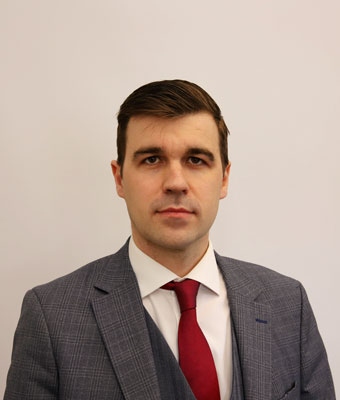
119. Deputy Duncan Smith asked the Minister for Defence to provide an update on recruitment numbers for the Defence Forces as of July 2026; and if she will make a statement on the matter. [54380/26]
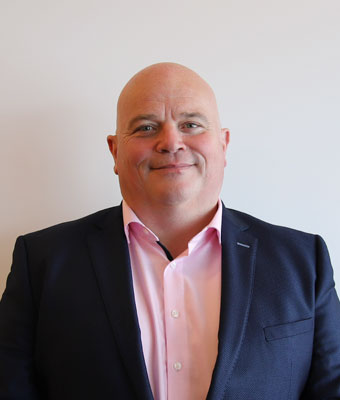
Will the Minister provide an update on recruitment numbers for the Defence Forces as of this month?
We are all committed to strengthening recruitment to and supporting retention in the Permanent Defence Force. The military authorities have advised that the strength of the Permanent Defence Force stood at 7,823 personnel on 31 May, the most recent date for which we have a figure available. Last year saw modest though significant growth of nearly 200 in the overall strength, with a total of 790 inductions achieved. This is the highest number we have had in 20 years. The number of personnel who discharged was at its lowest level in more than five years. I am determined to build on this and have set a target of 850 inductions for 2026. As of 31 May - again these are the most up-to-date figures available - there were a total of 289 inductions, comprising 188 into the Army, 26 into the Air Corps and 75 into the Naval Service. I am pleased that there continues to be very strong interest in careers in the Defence Forces, with a total of 16,510 applications received in 2025 and over 10,000 applications received to end May of this year. The challenge now is to ensure that the target of 850 is achieved.
A draft strategic workforce plan prepared by the Defence Forces has recently been submitted to me for consideration. As the Deputy will be aware, the aim of this process is to provide a pathway to the achievement of a strength of 11,500, inclusive of civilian personnel, commensurate with level of ambition 2. Increases in application numbers and in the overall strength of the Permanent Defence Force over the past three years demonstrate that the key enabling measures the Government has introduced to support and drive Defence Forces recruitment and retention are yielding results. I appreciate it is slow and we need to maintain that momentum and do even more. These measures include significant progress on pay, increases in the maximum ages of recruitment and retirement respectively, the extension of private secondary healthcare to all personnel, the application of the provisions of the working time directive - which had been sought for some time - subject to certain exemptions, and increases in patrol duty allowance.
The Minister is 100% correct that we all want to see recruitment to our Defence Forces continue. However the figures she has given far from the 11,500 sought by the Commission on the Defence Forces by 2028. The Minister mentioned 850 a year. Is that the height of the ambition? It is not going to take us near 11,500.
I will mention a couple of issues. The first is the single public service pension scheme. RACO and PDFORRA have been in contact with the Minister a number of times about this. Has she had any update on that from the Department of Finance or the Department of public expenditure?
On housing, I recently received a reply from the Minister in respect of a parliamentary question on derelict houses in the Curragh and at other barracks around the country. In that reply, she stated that the hope is to bring these houses back into habitable condition. This is what we need to do to improve recruitment to our Defence Forces. We need to look at the pension scheme and we need to provide housing for those who want to enter our Defence Forces, regardless of whether they have families.
I agree that there are lots of things we need to do. It is not just about pay. We also need to invest in our accommodation and in equipment and technology. Our investment in counter-drone technology and radar equipment is something Defence Forces personnel are excited about. The level of training involved and the ambition there encourages people to want to be part of that, so we need to invest in our infrastructure with the aim of enabling greater levels of recruitment.
I recently opened the university students’ accommodation complement, USAC, building in Galway, which is a 69-bed, state-of-the-art accommodation facility that was completed at a cost of €12.3 million, and the block 4 accommodation building at the Naval Service Base, Haulbowline, which will accommodate an additional 74 personnel. I also visited Gormanstown Camp, which is in my constituency. It is an impressive facility and will eventually provide for the training of up to 900 recruits. We want to keep increasing the numbers, but infrastructure is required to allow us to do so. Instructors are also required, and that is something we are working on. The beds are not the only thing; it is also about ensuring that we have the instructors to be able to reach those numbers.
There is no single issue here. This is about housing, pensions, pay and conditions. Has the Minister dealt though with the representative organisations on the single public service pension scheme? She might confirm that and let us know whether there is any update.
The Minister mentioned all the other barracks, and that is very welcome and everyone who supports the Defence Forces will welcome that. However, the Curragh has been neglected when it comes to housing. On the basis of the Minister's reply to my previous parliamentary question, there are 63 derelict houses there. Can I get a commitment that she will expedite work on those houses?
I cannot let this opportunity go without mentioning the Curragh of Kildare and what is happening there. I am in contact with the Department, but I ask the Minister to come back as quickly as possible to all the public representatives in Kildare South. This is a huge issue for everybody from the area, and it cannot continue. It has been a month since the scoping meeting was held, and we still do not have an update on what is going to happen next.
I acknowledge our representative bodies. It is my intention to meet them late in summer. I will be writing to them to that effect. I have already spoken to some of them in respect of this matter. Obviously, whether it is public service pensions or anything else relating to the public service pay agreement, we are working and, where we can, engaging directly with the Department of public expenditure and reform. I have made very clear my views to the representative bodies on the progress I would like to make, but we have to work very closely with the Department. The moves towards the next public sector pay agreement are already starting. We need to make sure we can square off what was agreed in the previous one but also start to look forward to the next one. The Defence Forces representative bodies have representation now they are part of the umbrella body as well.
On infrastructure, A body of work to look at all the infrastructure, etc., that we will in the future is in the process of being concluded. This will feed into the next capital plan. I have no doubt that as part of that the ambition is for the Curragh to be transformed and that there is further investment there. That will require another budget and, obviously, I will be seeking as much as possible in that. I want to be as ambitious as I possibly can.
I thank the Minister.
If I could address the final issue, I am very conscious this has been going on for some time. We are engaging extensively with a number of different stakeholders, but I will come back to the Deputy on that.
I thank the Minister.
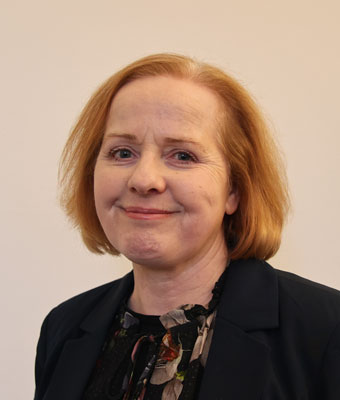
120. Deputy Ruth Coppinger asked the Minister for Defence if she will examine extending the EU victims directive (details supplied) to cases that are prosecuted by the military police or the Director of Military Prosecutions; and if she will make a statement on the matter. [54260/26]
When is the victims of crime Act 2017 going to apply the Army? The Women of Honour have pushed for change so that if there is abuse within the Army there will, we hope, be mechanisms to deal with that, but what about women who are abused by Army personnel who are not in the Army? The Minister knows of this case and I am not going to go into any names or details but it shines a light on how we have a situation where a woman who was abused by an Army officer - and potentially another woman as well - has not been able since 2022 to get information on her case. Nothing is being done by the secretive military tribunals that are operating in the Army.
I thank the Deputy for raising this. I am aware that she has been engaging on this matter and has been trying to make progress. That is certainly something I want to see happen as well.
This was looked at before, so there had been engagement previously when the Criminal Justice (Victims of Crime) Act 2017 was brought forward. At that time, a decision was taken for various reasons that it did not extend to offences under military law and so it would not be possible to include in the legislation at the time. While it may not be the same, since then the Defence Forces, though they are excluded from this, have been very clear that where appropriate they adhere to the principles of the Act within the military justice system and this is reflected in the Defence Forces victim's handbook. In saying that, because of a number of different meetings and engagement I have had, I have asked my officials to look at this again, so there are deliberations taking place. As part of this process, the military authorities have recently provided advice on the matter. That advice is under consideration. I would like to see them included in this, quite frankly, so while a decision was taken for different legal reasons previously, I have asked for that to be looked at again. In particular, there are a number of different things. There needs to be not a greater level of oversight but a greater ability to hold certain structures accountable and to ensure that where our Defence Forces and military personnel are independent, at the same time there is very clear process where I as the Minister, together with the Department, have a role or function in ensuring there is that significant level of accountability. The work of the external oversight body is also really important here.
We spoke about the Women of Honour earlier. We have heard some of the absolutely atrocious accounts from women who have been abused doing their duty and in their job and it is absolutely essential the workplace is one where women feel safe and all personnel feel safe. That is why the work of the external oversight body is important. It is important also that the Defence Forces are working with that body, as I know they are.
I have very little time left, but I want to put on record that the woman in question was abused by an Army officer using military equipment and surveillance technology, which is extremely scary.
She made a complaint, which has never been pursued. She found out that a court martial was taking place but it was about smaller charges that were nothing to do with the woman or the other woman either. The feeling of the victim was that this was being facilitated, like an organised pay off of this predator. This may not be true but that was her feeling. Is this officer retired? Is he eligible to retire? Does he have a clean record? Does he have a pension? Will we end up seeing him working in Leinster House? The victim's belief is that the military prosecutor has evidence of a very dangerous man but for some reason, the Army does not seem to be concerned because it has not prosecuted him on those charges. Why would the Army not want to prosecute somebody?
Are we at war or something? Why is it so secretive? Why does the Minister have no jurisdiction over what is going on in the Army? I see a letter arrived a day before this question was due in which the Minister says she has no role here. This is just outrageous.
From my previous answer, what I want to ensure is that there is a level of oversight and jurisdiction, where there needs to be. At the moment, I am not satisfied that is the case. I will not go into details on the individual in question or any individuals. I have relayed that there are certain things I cannot do at the moment because of how things stand. I am keen to make changes so that there is an appropriate level of oversight. I would again stress that a lot of people in the Defence Forces are very keen to make sure that it is an environment in which people feel safe. I believe it is but where issues arise there are mechanisms in place to support and assist people. The Value Our People survey that was done recently highlights a number of significant challenges that still exist but importantly also where improvements have been made and where there is more work to do. This Value Our People survey will be carried out on a continuous basis so that we can assess what is changing within the Defence Forces, how people are feeling, what challenges are still there and how we can improve. With Patricia King and others through the external oversight body and the work of the Defence Forces themselves, a lot can and will be done in the time ahead.
This man said of one woman that he would attach her to a concrete block. He said of another that he would set fire to her. Should this person be getting a pay off from the Army? No, of course, he should not. He should have been put on trial. We have to end a situation where these military prosecutions are secret and where the Minister for Defence does not even have the right to intervene. In a letter to the victim, the Minister said that such matters were internal to the Defence Forces and that she had no statutory role and she was considering what options she had. I trust the Minister will look into this, because I know she has an interest in gender-based violence from her previous role. She is the Minister who can do this and can apply the victims' directive. This officer was involved in a GoFundMe campaign, where rapists' names were used as a joke by the various men who contributed to it. I do not think rape is funny and the Army should not either. That GoFundMe campaign was left up for a long time. Why is the Army a law unto itself in relation to gender-based violence? We know it will deal with soldiers but when women are abused the Army has authority over people. It has uniforms, power, weaponry and surveillance to abuse women. Women outside the Army should be protected from people in the Army and should have the same rights as any other woman.
Once the GoFundMe campaign the Deputy mentioned was brought to the Army's attention it was taken down immediately. However, the very fact that it was up, or as the Deputy said, the content in it, was completely inappropriate. We need to continue to focus on a number of things. Legislative change is required so that there is oversight where it is needed. I am looking at that at the moment, not just in terms of the victims' charter but also in other ways. The external oversight body, which was only established in April 2023, is working with the Defence Forces to make changes where needed. I regularly meet the chair, the chief of the Defence Forces and others specifically on their work.
As we know, the tribunal is under way at the moment. While I anticipate there will be recommendations from the tribunal, we are already starting to work on some of those in terms of complaints' procedures and in terms of mechanisms that had not been functioning appropriately in the past and how we improve them. I am trying to move ahead and not just wait for any recommendation. We are actually working on them now. I appreciate that it is a very difficult time for a lot of people. At the same time, we need to make sure we are responding to this and putting in place the appropriate mechanisms.
121. Deputy Catherine Callaghan asked the Minister for Defence the role she envisages for the Defence Forces in international peacekeeping and peace support operations over the next decade; the likely contribution of Ireland to future United Nations and European Union missions; and if she will make a statement on the matter. [54553/26]
As a former UN peacekeeper, I am keenly aware of the proud role Ireland has played in international peacekeeping for almost 70 years. With the nature of conflict and traditional UN missions evolving, what does the Minister envisage Ireland's role in international peacekeeping will look like over the next decade?
I thank the Deputy for the role she has played and for her service to the State. I acknowledge all of those who have served on UN missions and who are currently abroad on missions. We recognise that overseas service is a core task of the Defence Forces. Many men and women join the Defence Forces because they want to take part in international peacekeeping and peace support operations. I envisage we will continue to play a significant role in this area in the decades ahead. We have to. We have to make sure we have the ability to deploy our troops overseas and partake in significant missions, focused on peacekeeping, prevention and training, which they do at the moment. It remains an important element of military life. The opportunity to participate in meaningful overseas missions with unique operational experience, professional development opportunities and the ability to contribute directly to international peace and security is essential. The one thing members of the Defence Forces say to me when they come back is how they can feed back the experience they gain to our troops here. There is also what they bring to the table. When I am abroad I meet regularly with my colleagues, whether the Polish, French, Spanish, UK or Italian minister. They always say Irish peacekeeping troops are well respected and what they contribute and bring to the individual missions is essential. We want to maintain that.
Looking ahead, I expect that we will continue to contribute to various types of missions, namely, peacekeeping, peace support, conflict prevention and crisis management operations, where they are in accordance with Irish law and international law and the principles of the United Nations Charter. The focus and debate now is on the triple lock and how we amend it to make sure those vital missions, whether it be peacekeeping, conflict prevention or crisis management, can continue and that we can continue to send greater numbers of troops abroad, particularly at time when over 300 of our troops will be returning from the UNIFIL mission in Lebanon after this year. That will not be renewed and we still do not know what that might look like. I can touch on what that might be in my next answer.
I welcome the Minister's response. As someone who has served overseas, I recognise, as the Minister mentioned, that the future of peace support operations may look very different to those that have shaped previous peacekeepers, like me. Looking ahead, does the Minister see Ireland's overseas contribution remaining focused? She has already said that it will always be in accordance with Irish law and international law and the principles of the UN Charter. Does the Minister see that these will be on UN missions, particularly in Africa where many peacekeeping and stabilisation challenges are likely to arise or does she envisage a greater role for Ireland in EU-led peace support operations, or maybe a combination of both? With that in mind, what capabilities does Government believe the Defence Forces will require over the next decade to fulfil those missions effectively? Are we likely to see a greater emphasis on areas such as intelligence, cyber capabilities, drones, force protection, medical support and specialist training, alongside our traditional peacekeeping roles?
There are a number of things here. What I would like to see - unfortunately, it is not happening at the moment - is that we would have further UN Security Council missions. We have not had any new ones since 2014. That is because the Security Council is not operating as it should. We have other missions that our troops are currently on. A number of personnel are serving in Entebbe in Uganda and in the Middle East. At the moment, my concern for those troops is that those missions could come to an end in the same way that Operation IRINI and the UNIFIL mission in Lebanon have because of the lack of support from individual members of the five permanent members of the UN Security Council. It is my ambition that we could see future UN peacekeeping missions. Beyond that, where that is not possible, we are working with the CSDP missions through the EU. This means much smaller missions. If we look at the overall number of peacekeeping missions we are involved in and the number of troops abroad of just under 400, about 70 of them are not in UNIFIL. All of the various missions are quite small. What we bring to the table, however, is a high level of training. There is a big focus on some of the missions on cyber security, maritime security and bomb disposal, where we have a high level of training from our history. There are different options. As we develop our capabilities, we will be able to do more.
I thank the Minister and fully support that. Ireland's reputation overseas has been built not only on the professionalism of our peacekeepers but also on the confidence serving personnel and their families have had in the supports and protections associated with overseas UN service. Whether future deployments are UN-led missions in Africa, EU-led peace support operations or other international stabilisation missions, can the Minister assure the serving members of the Defence Forces and, critically, their families that they will continue to receive the same high standards of welfare, support, operational protection, medical care, post-deployment support and recognition that generations of Irish UN peacekeepers have rightly expected?
I cannot commend our Defence Forces enough on the level of training our personnel get. That is evolving and changing all the time. I was recently in a barracks where there was new technology that enables our Defence Force personnel to train in tanks in a simulated fashion. It allows as many as possible of them to train where there is not the capacity in actual tanks. So, we are now using new equipment. It is Irish companies devising these types of technologies. It means they have the most up-to-date level of training and importantly when they then travel overseas that they have the equipment and the resources they need.
I cannot stress enough the regard in which Irish troops are held. Quite a number of personnel from other battalions have been killed in Lebanon in recent months where there has been crossfire between Israeli Defense Forces and Hezbollah. In many instances where there have been casualties, Irish troops have come to their aid and through their own resources and own capabilities have been able to support others as well as themselves. It is really important we continue that emphasis on working with each other, supporting each other and also supporting other troops on the ground.
Deputy Callaghan is taking Question No. 122 on behalf of Deputy Barry Ward.